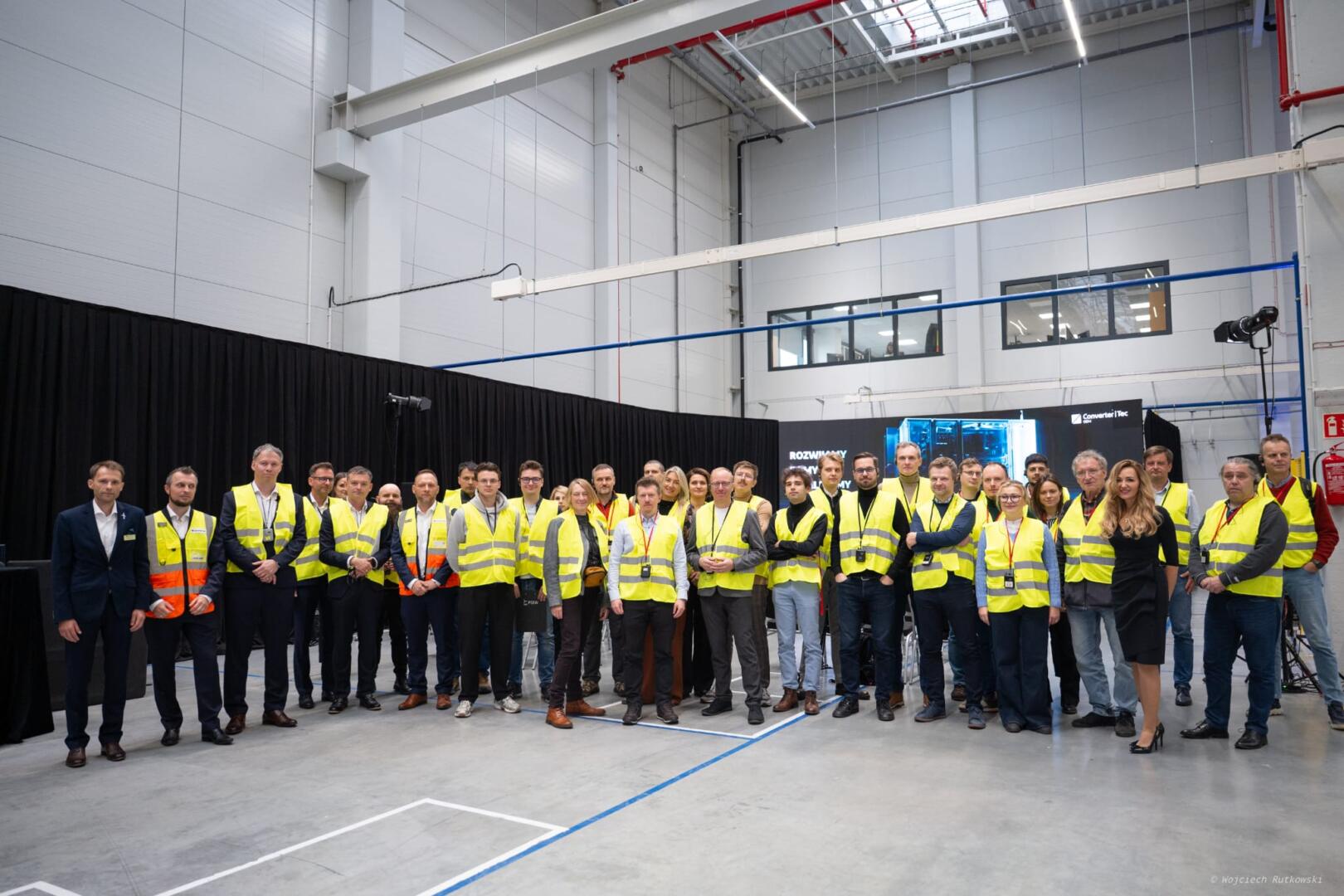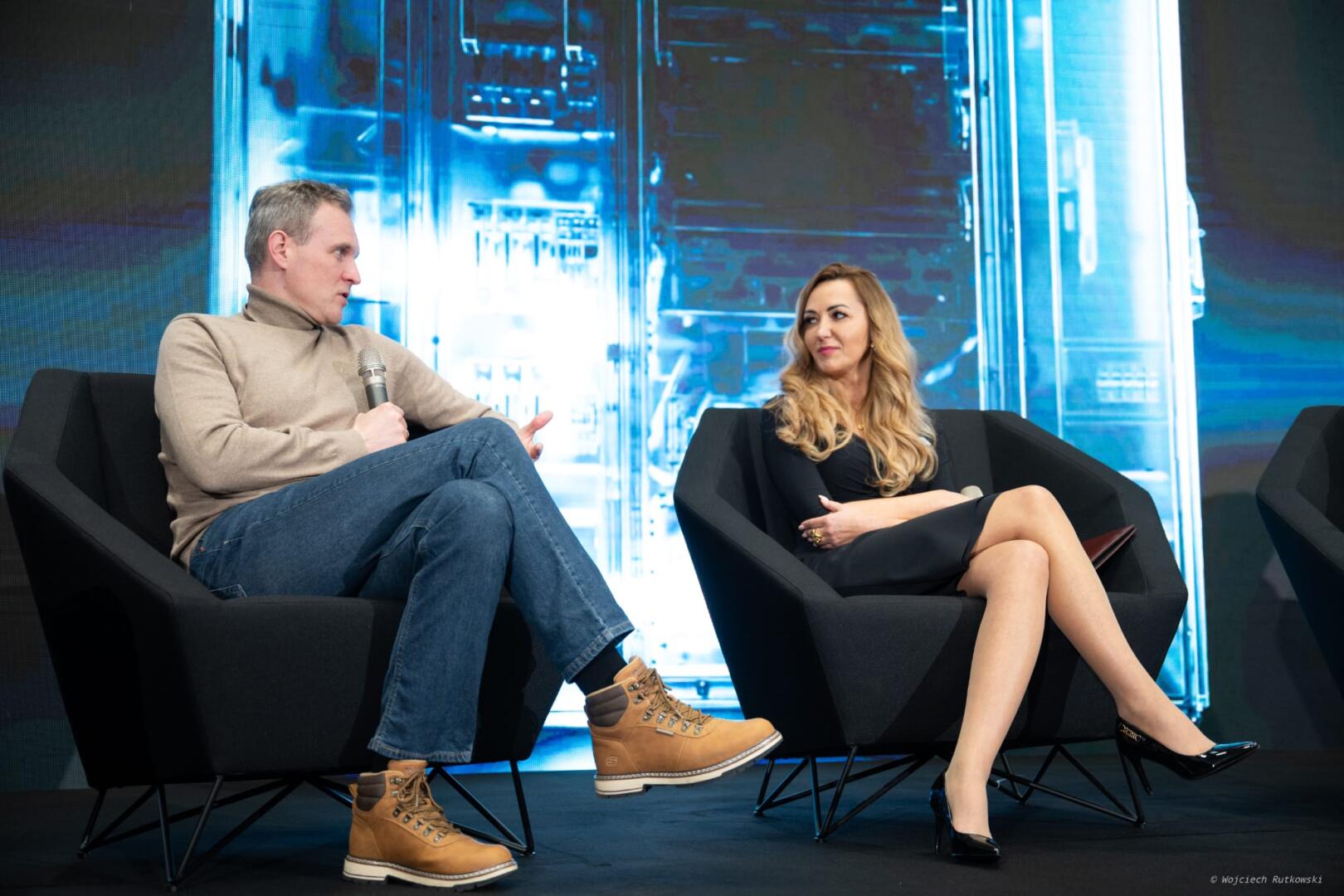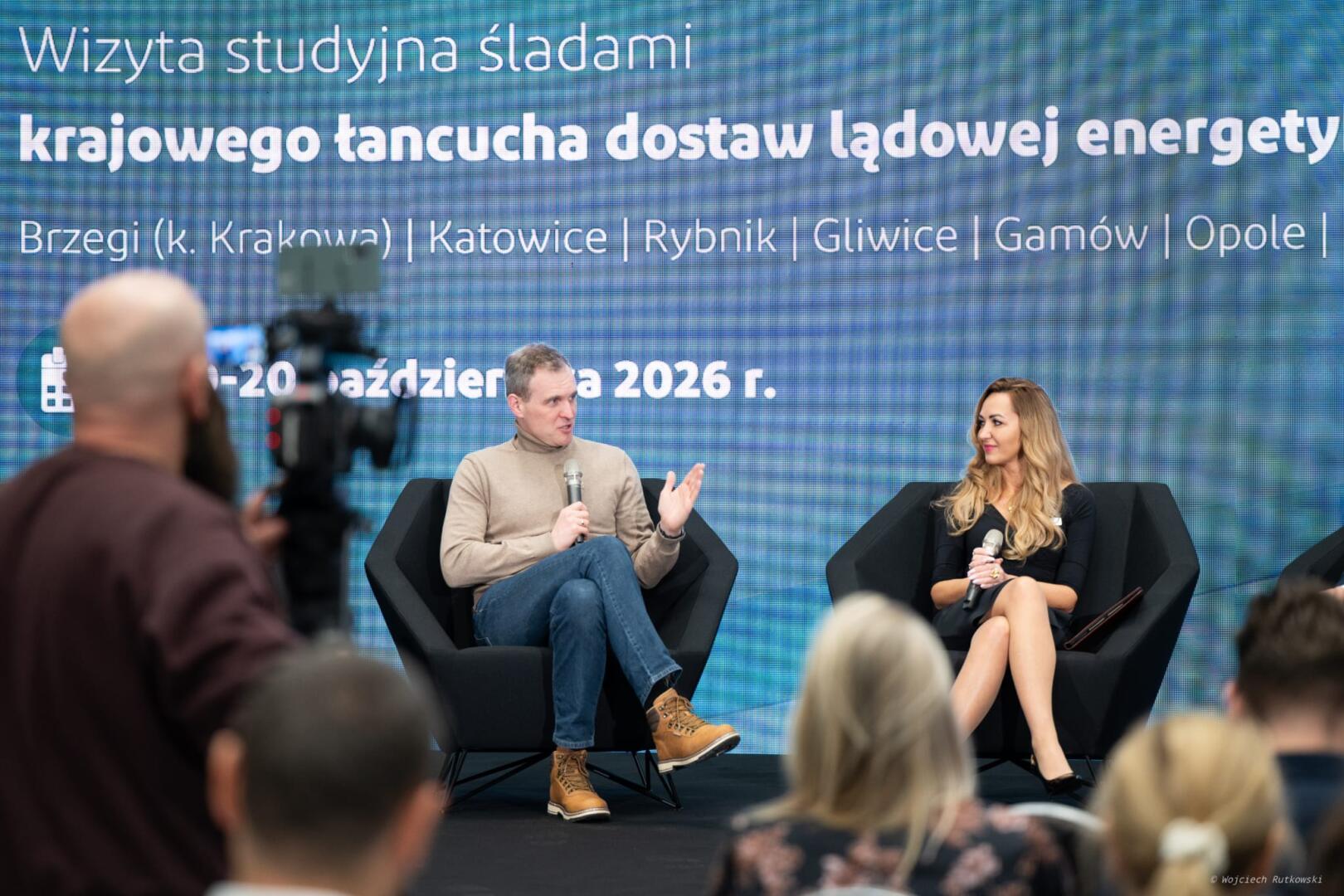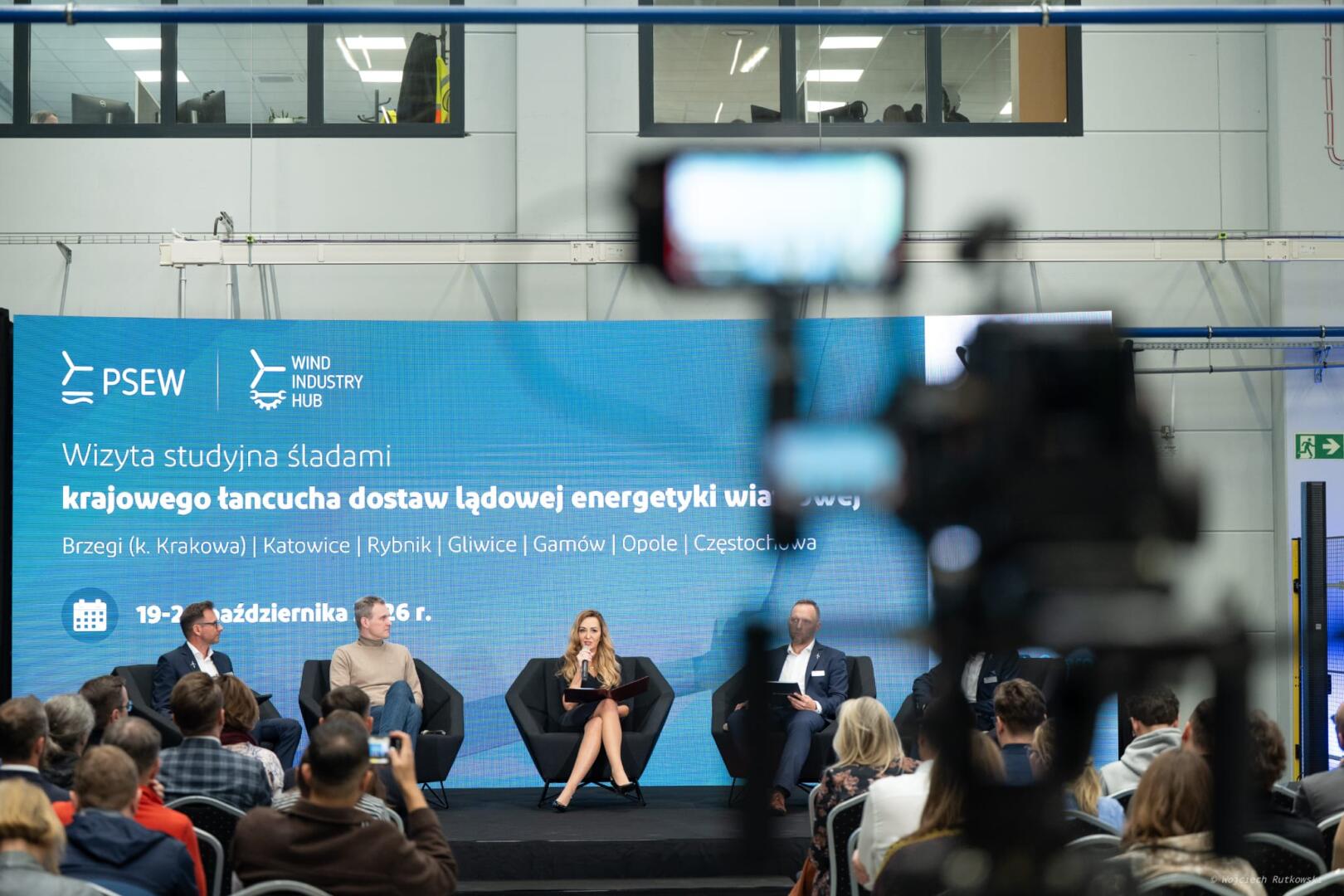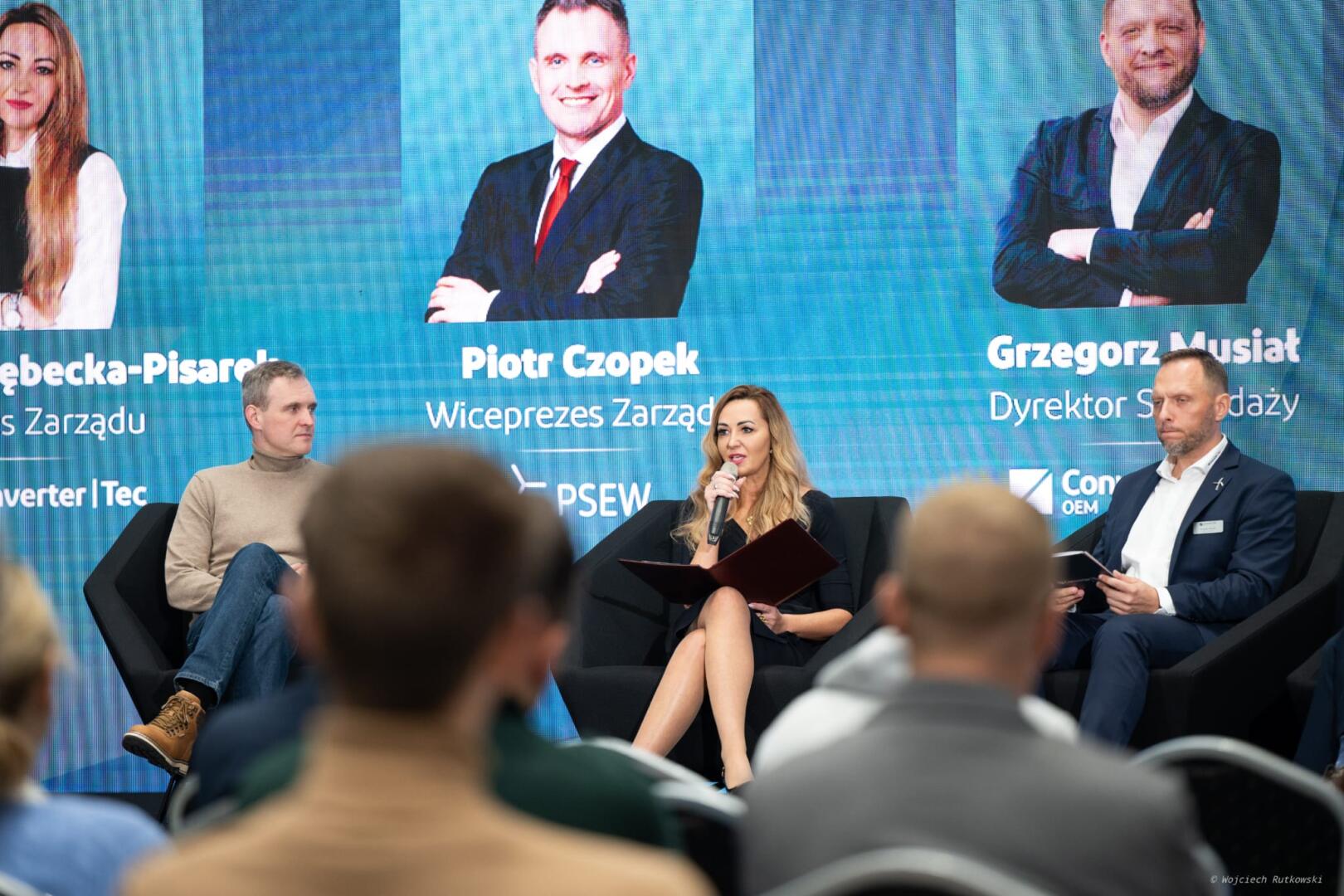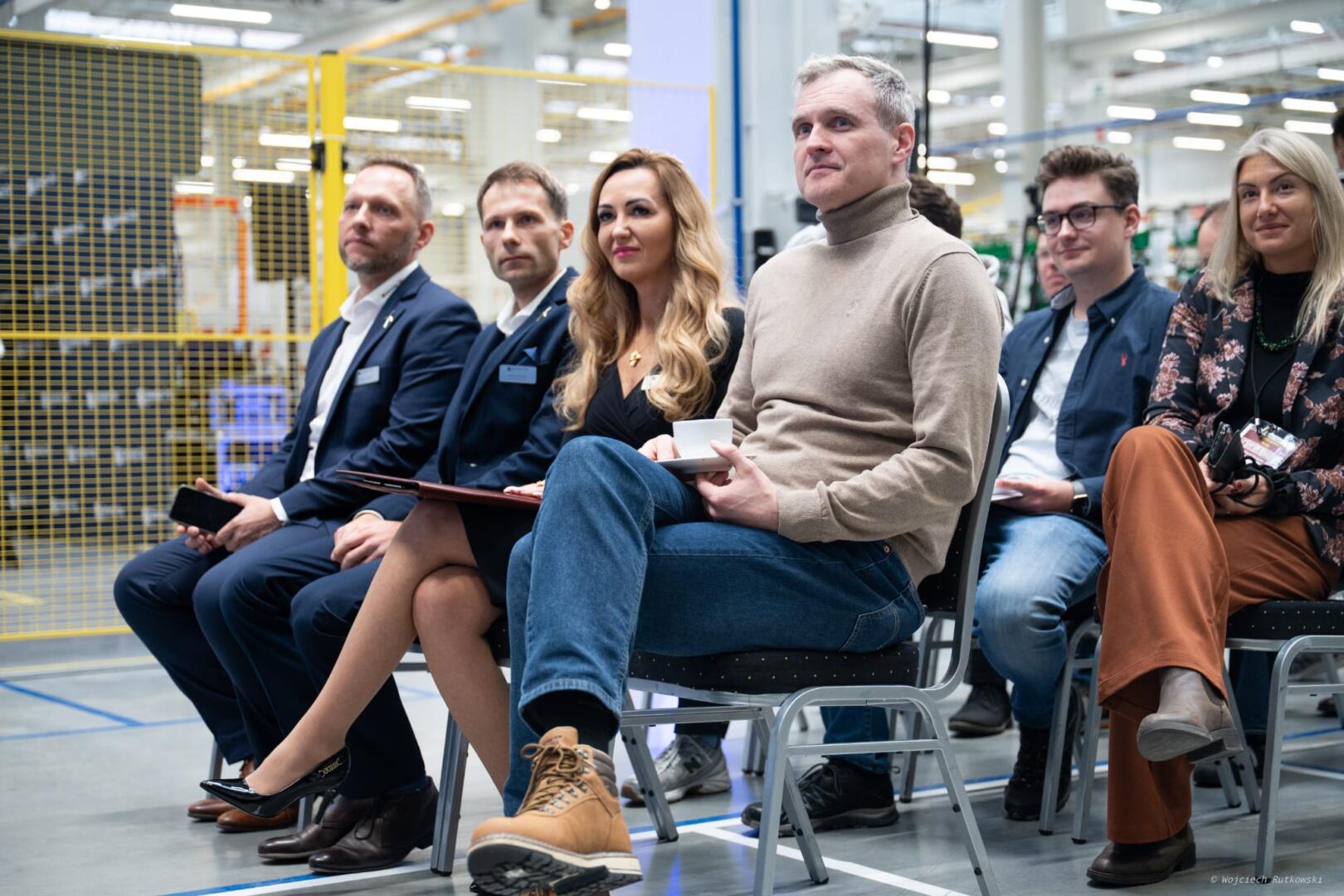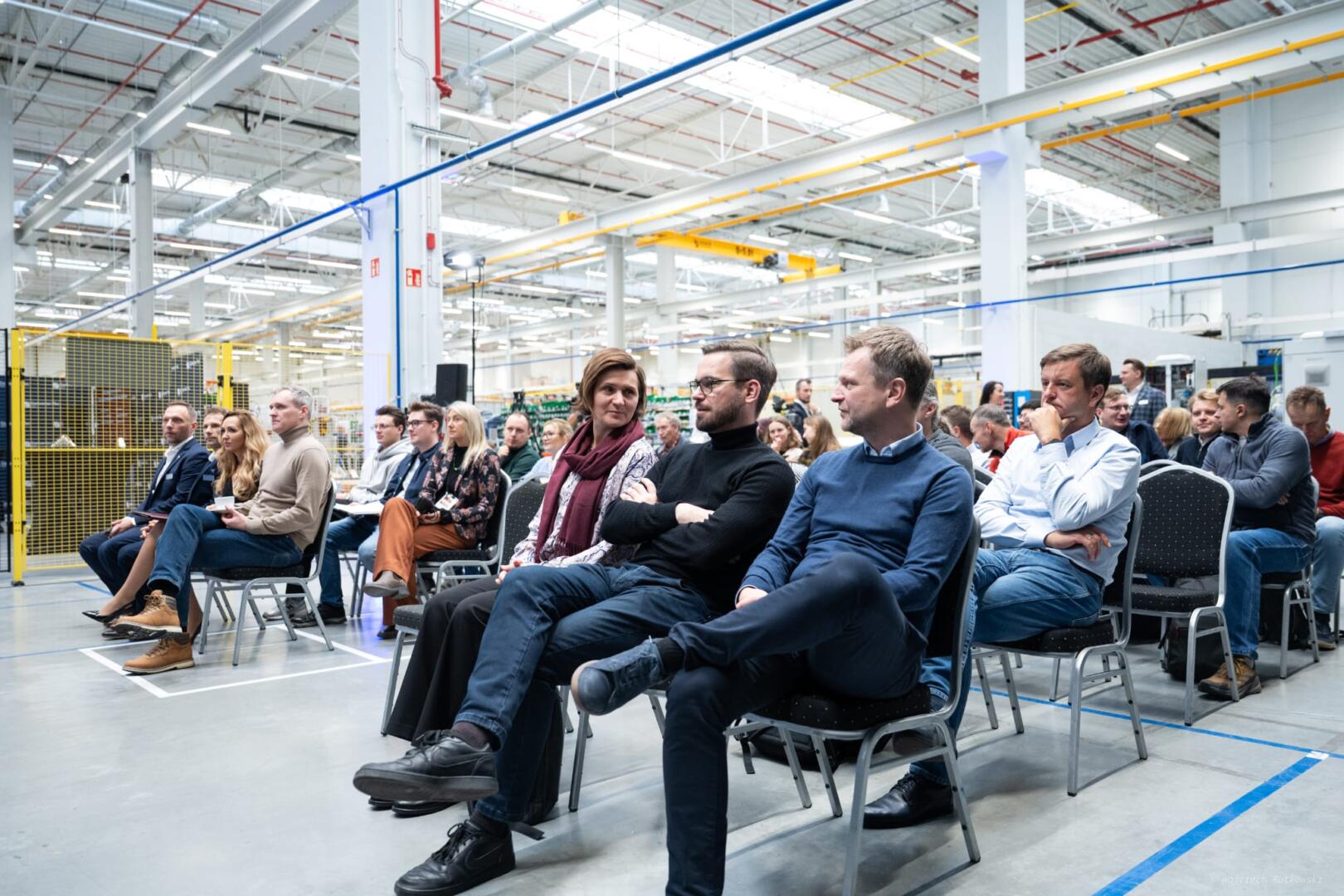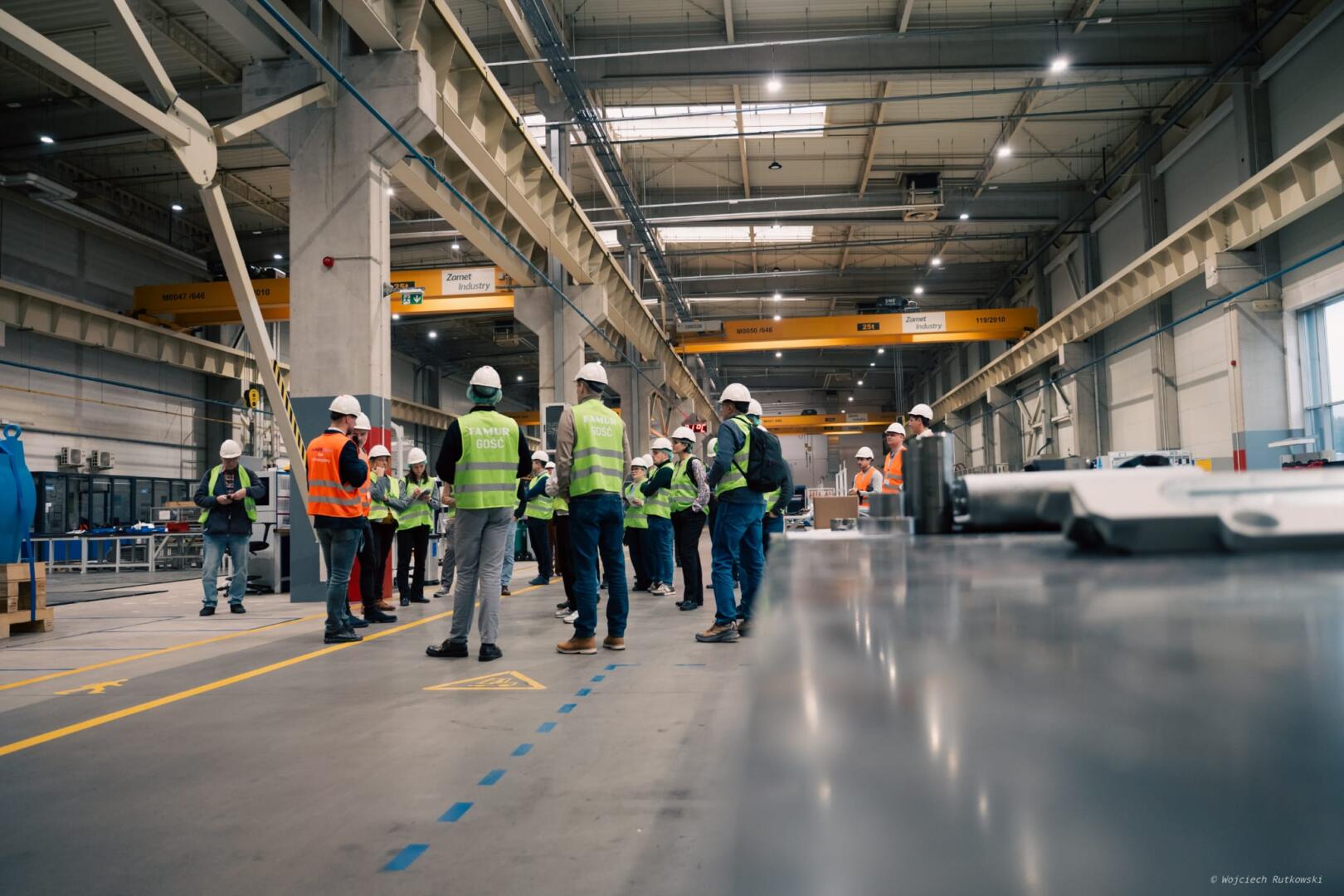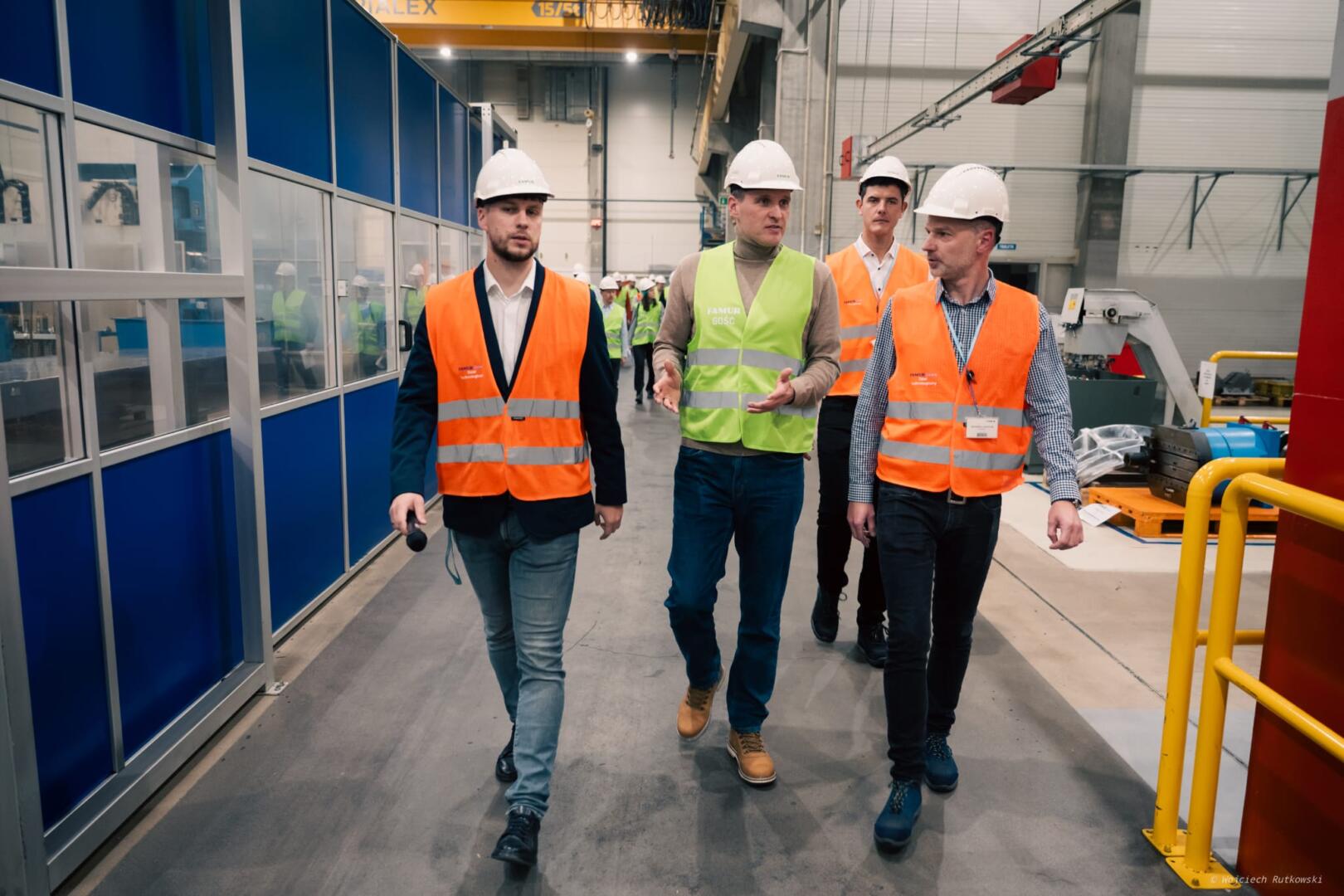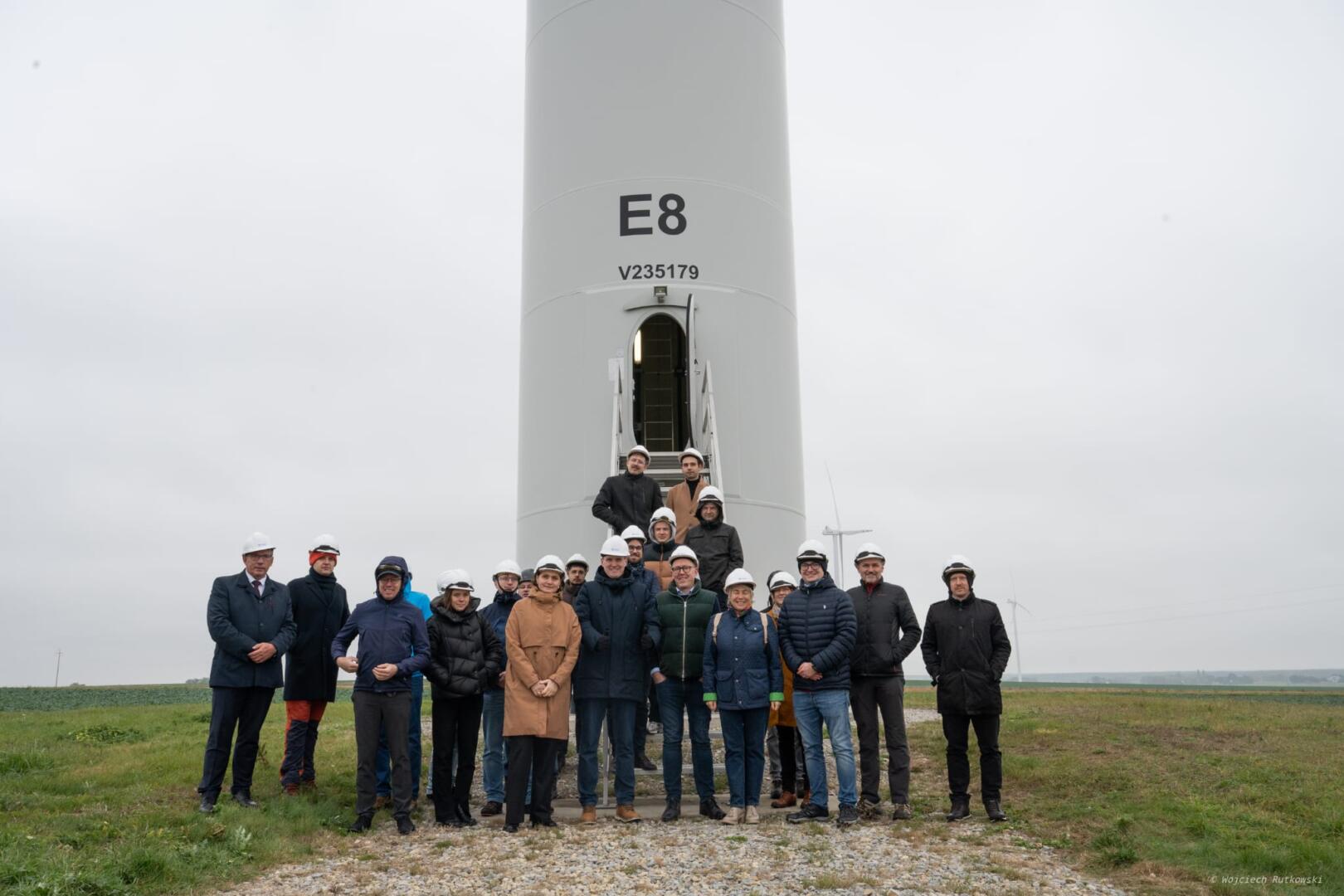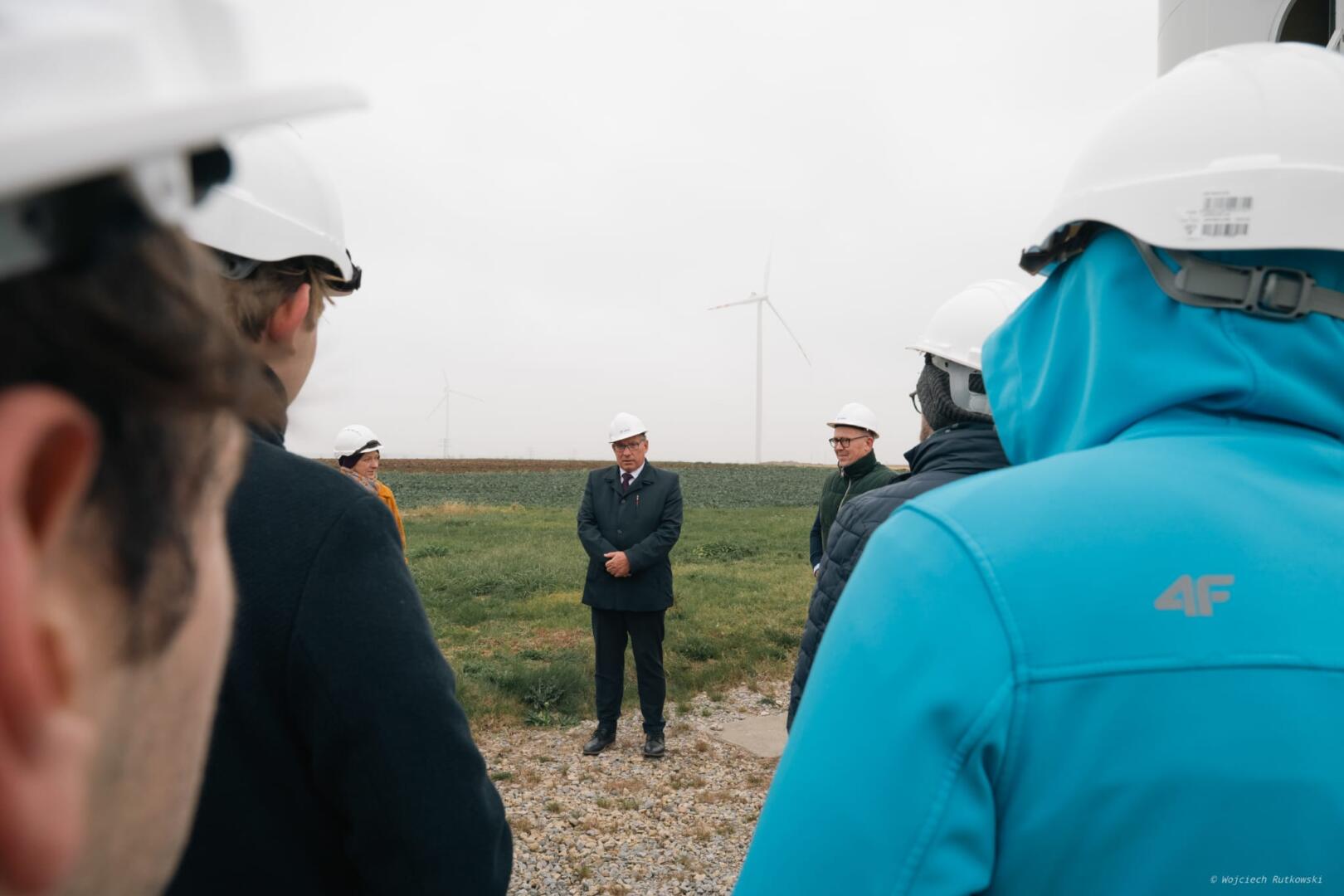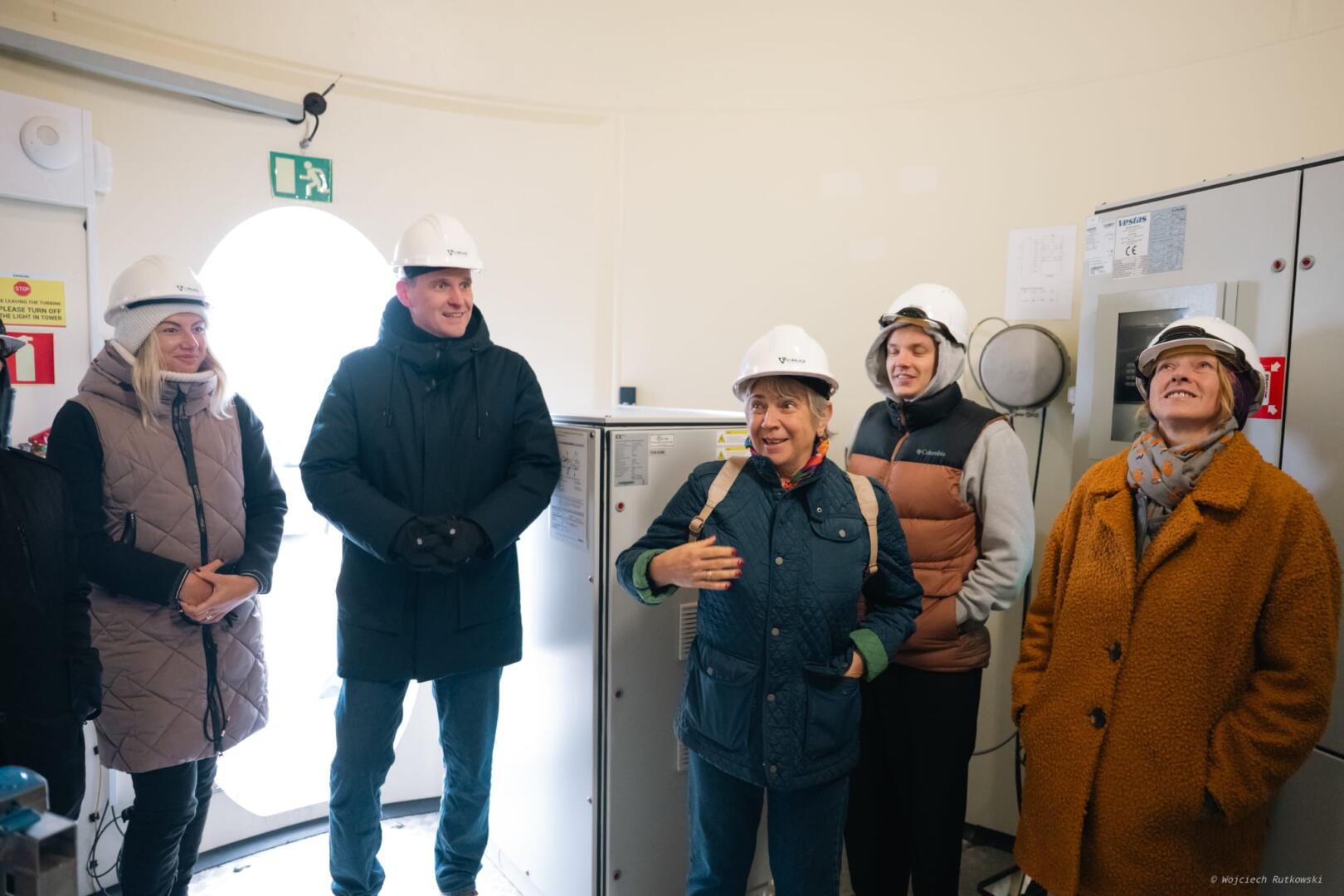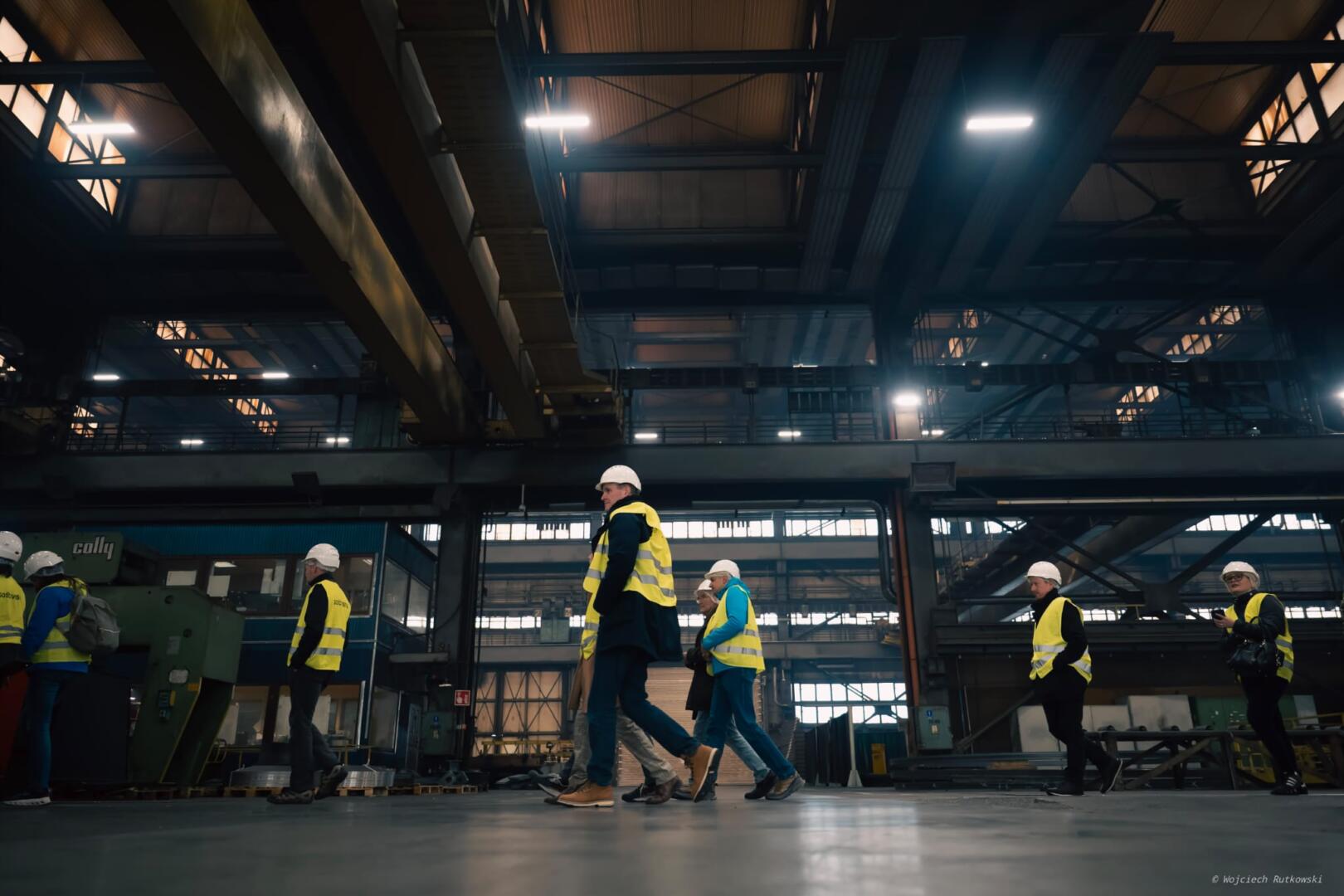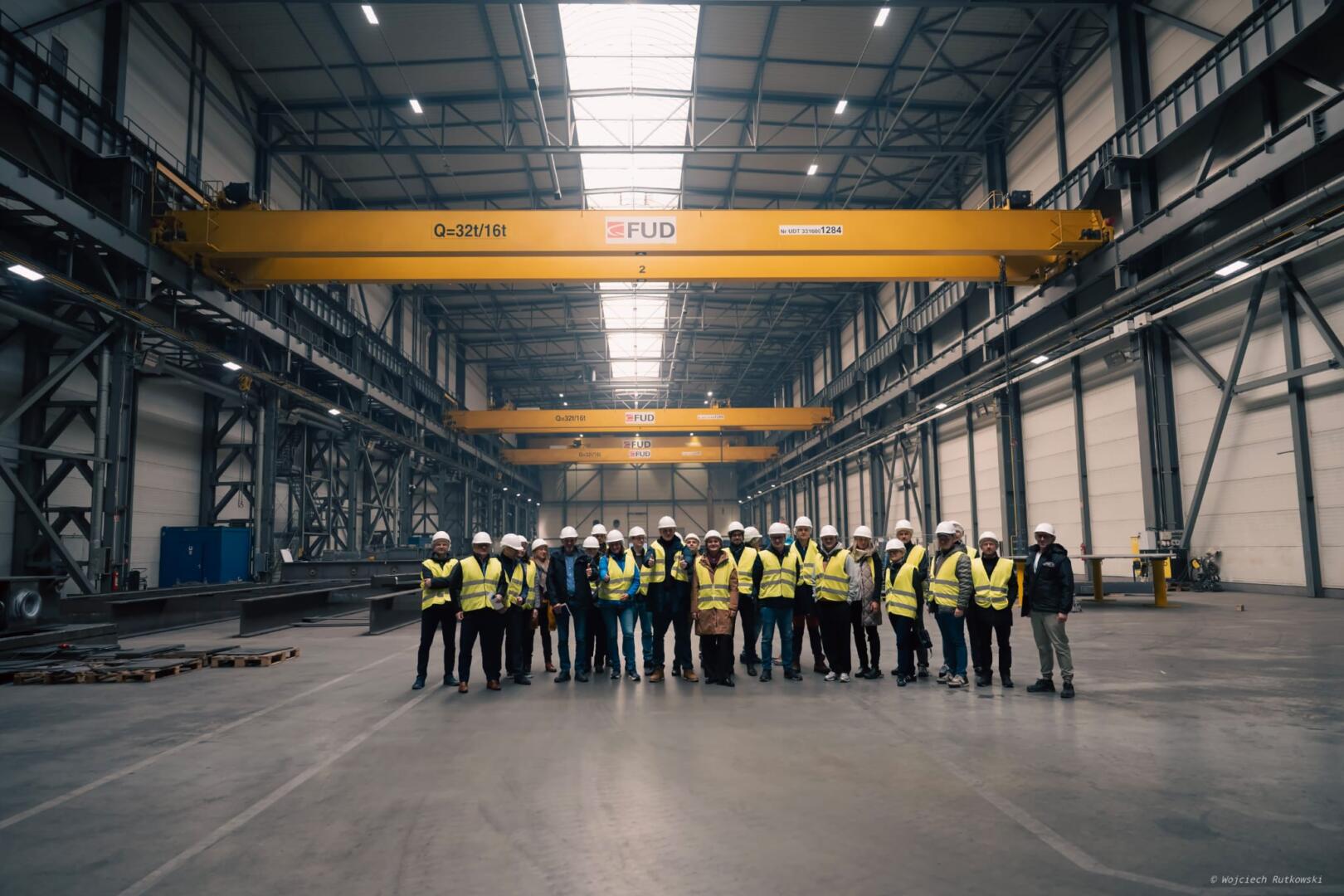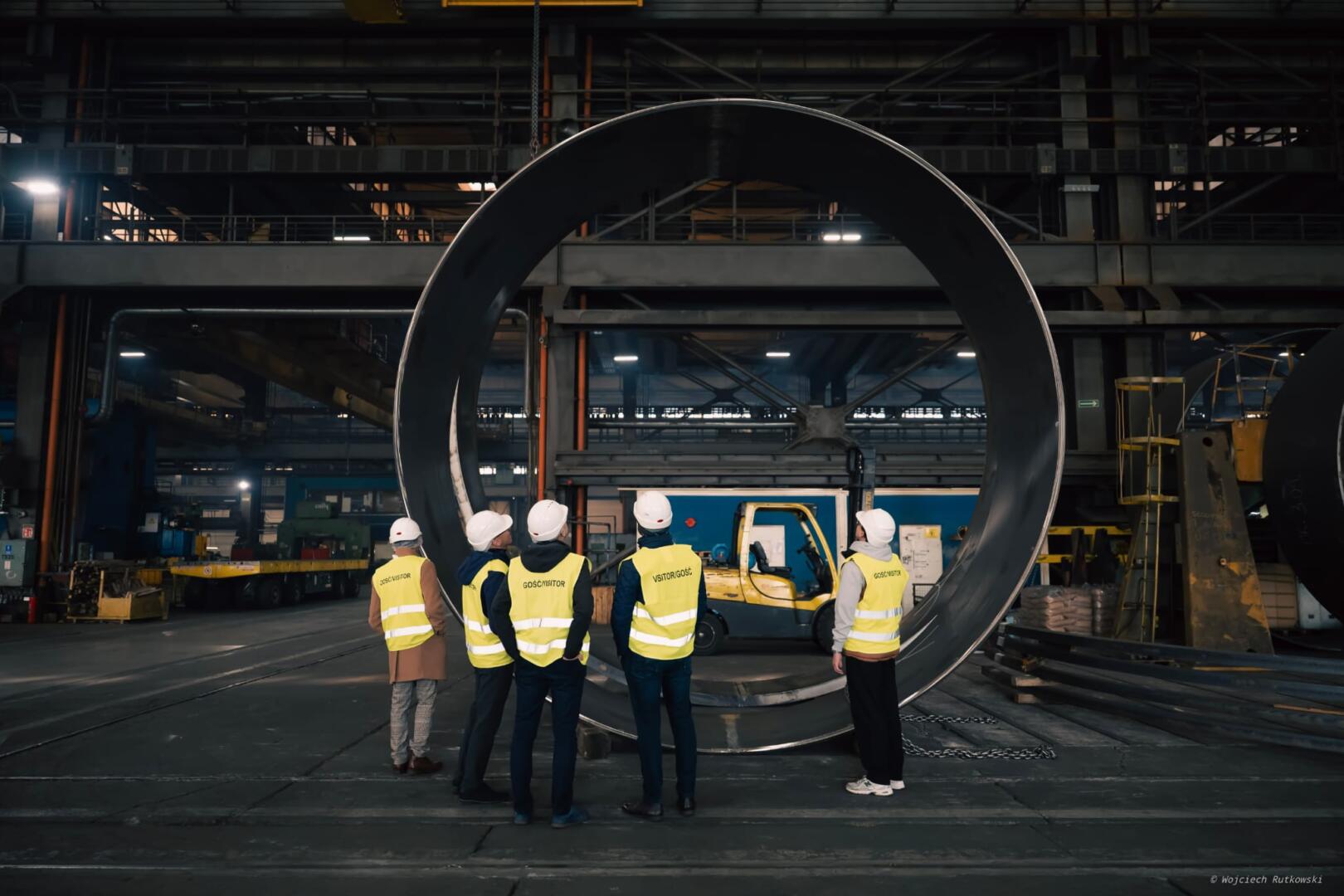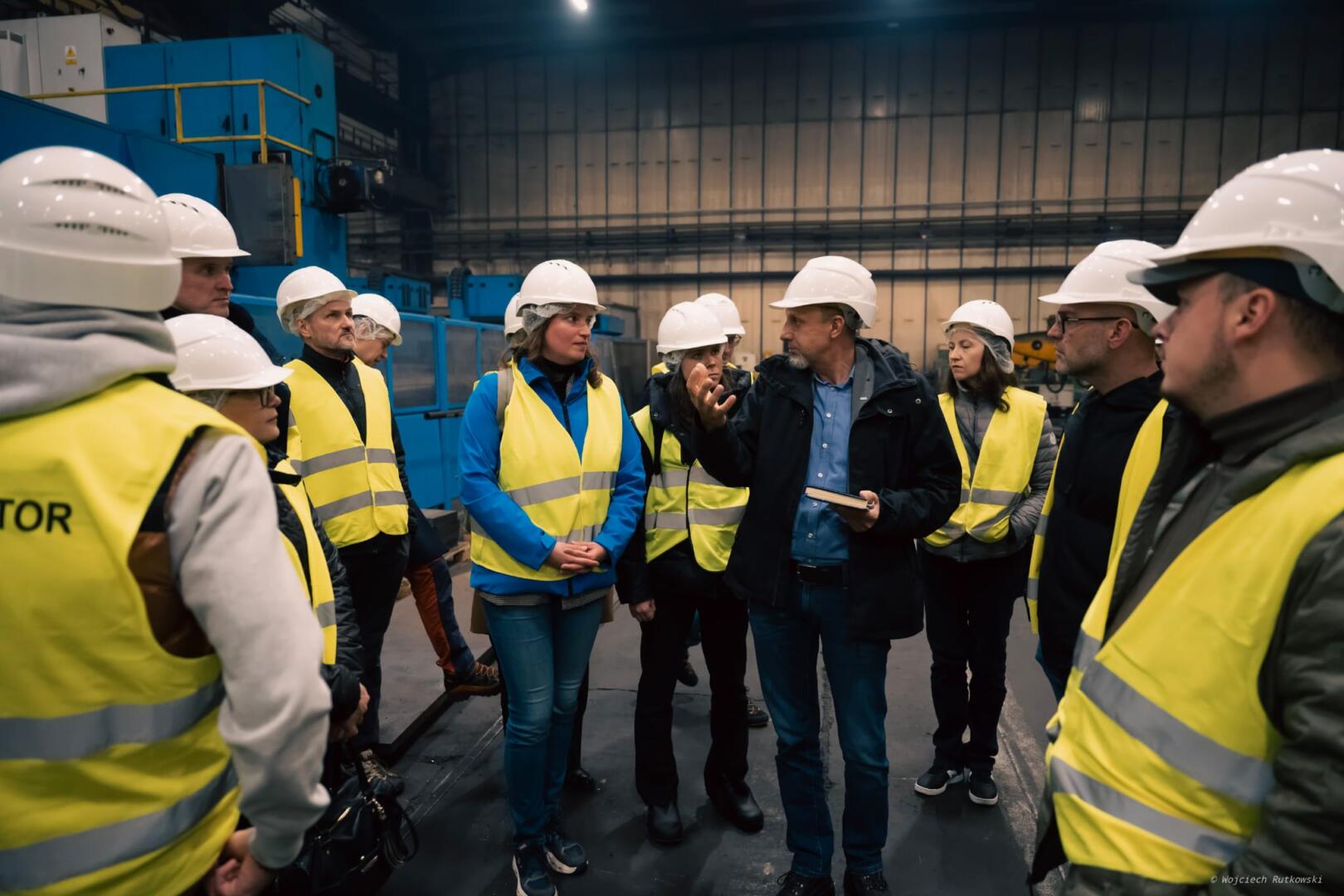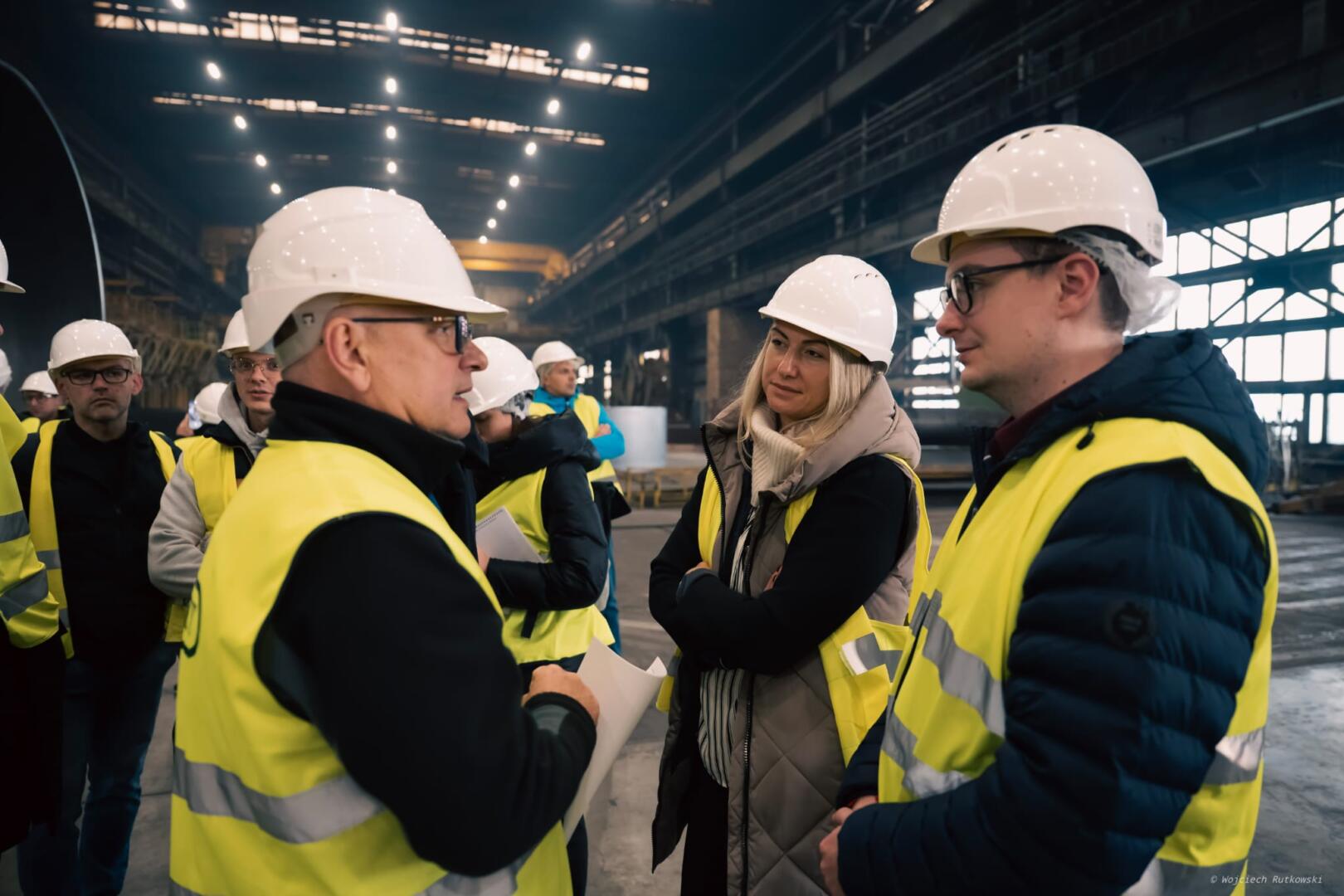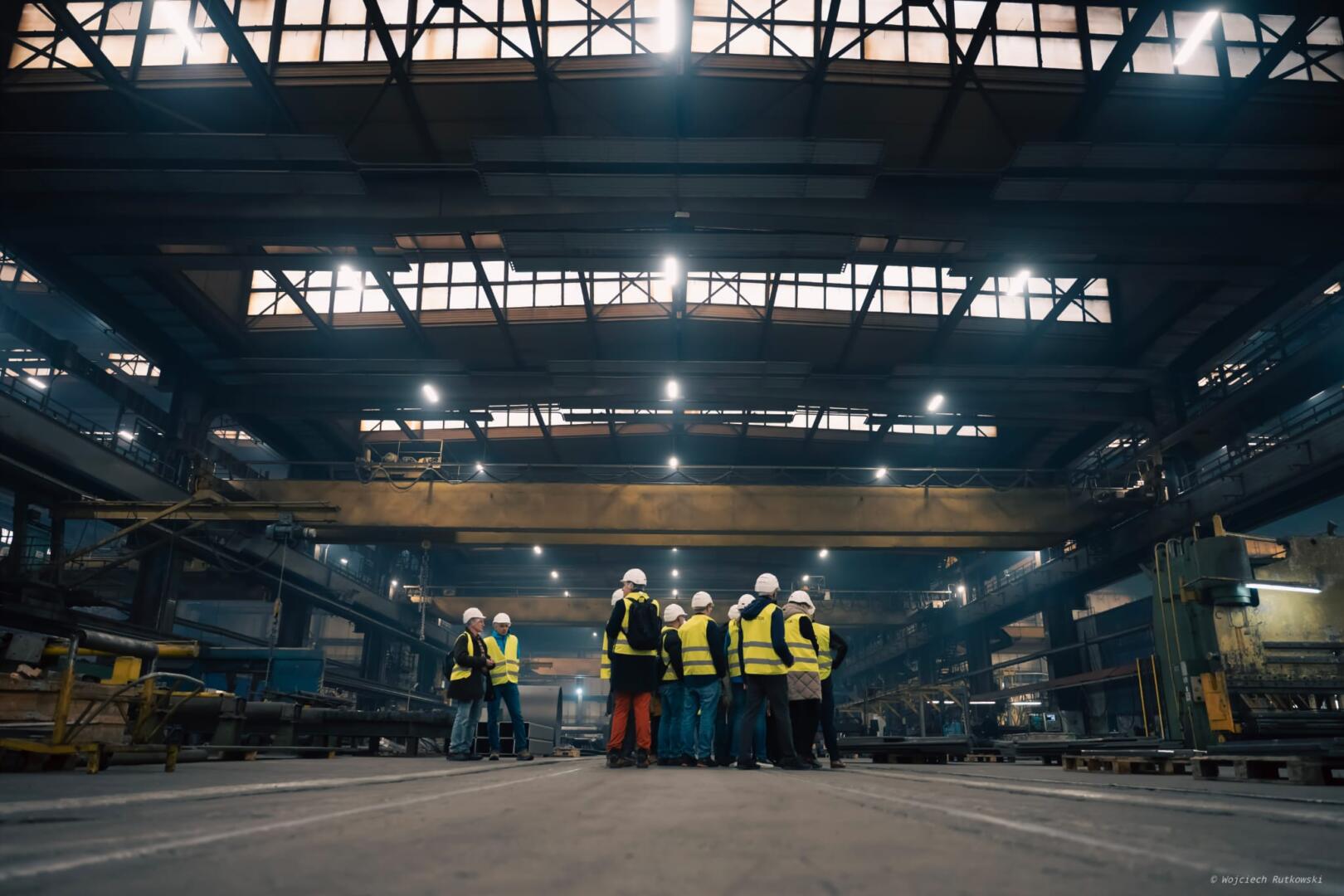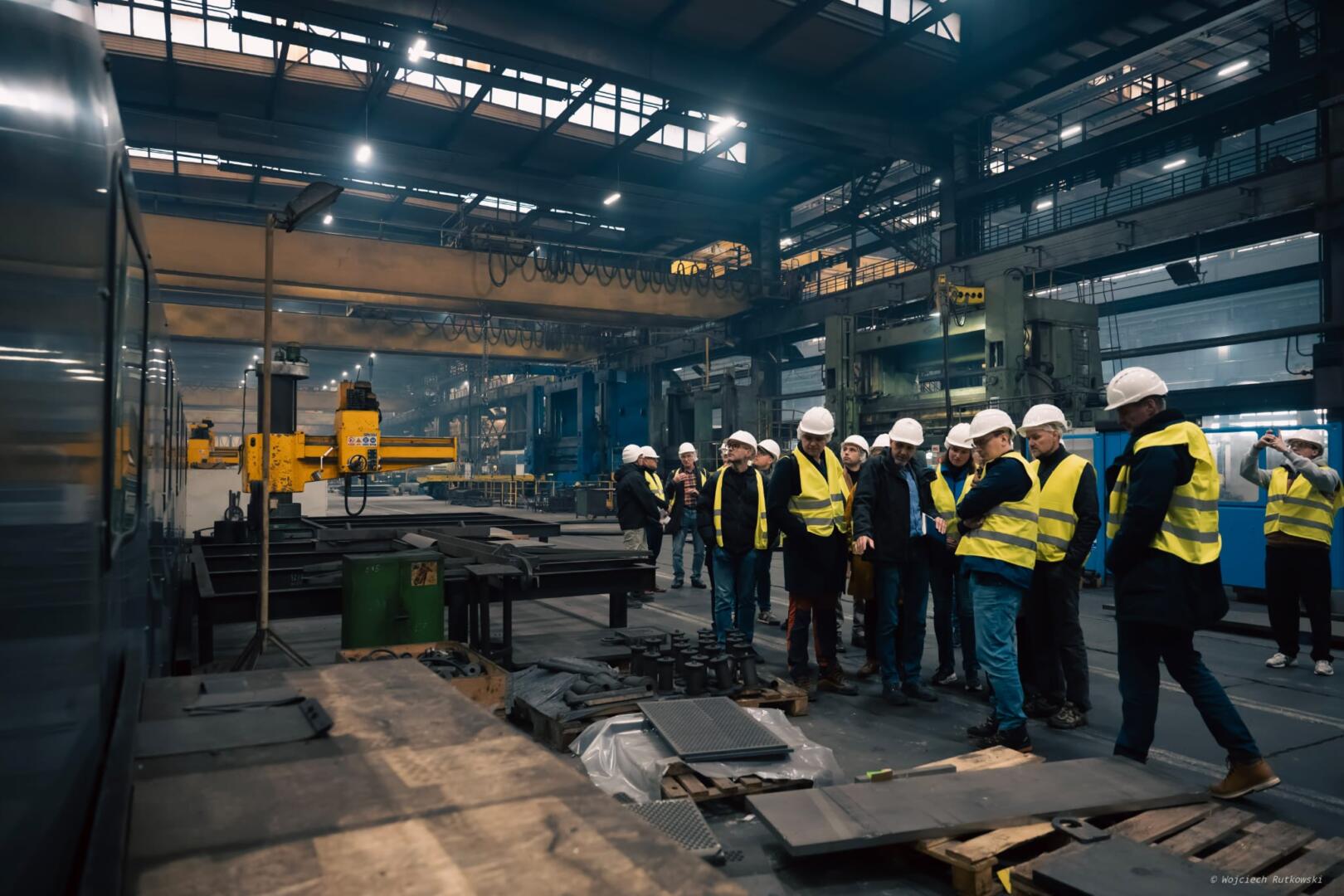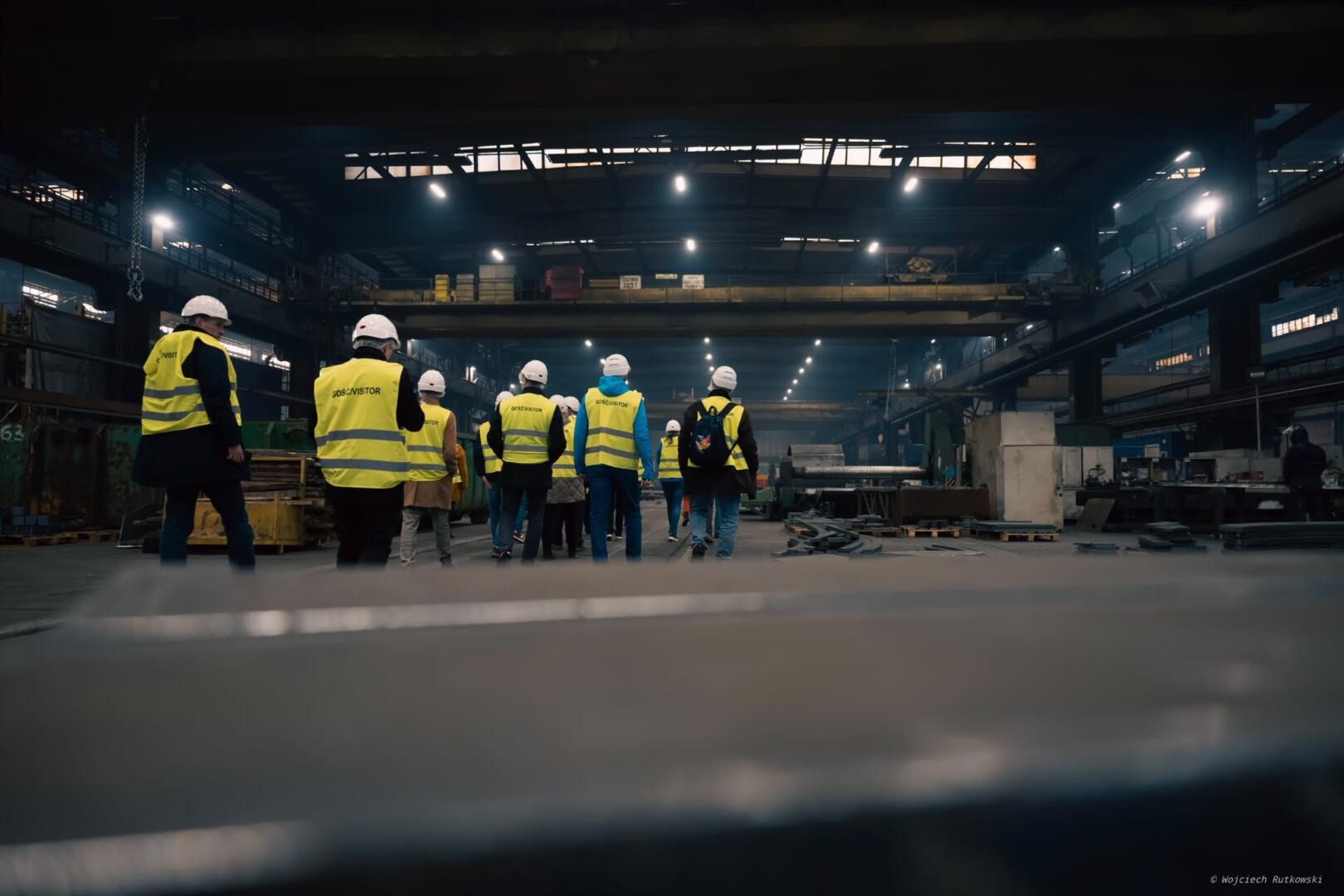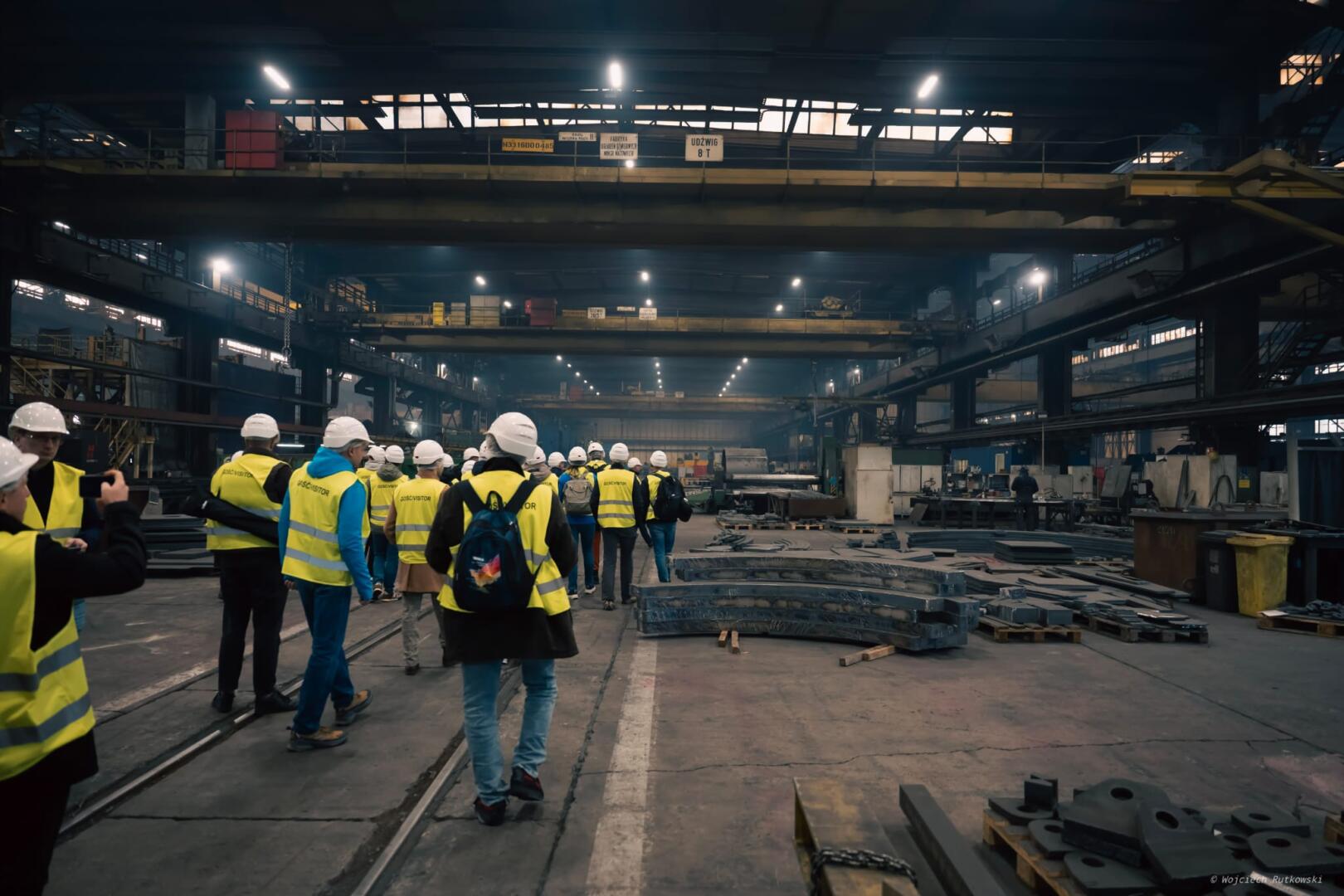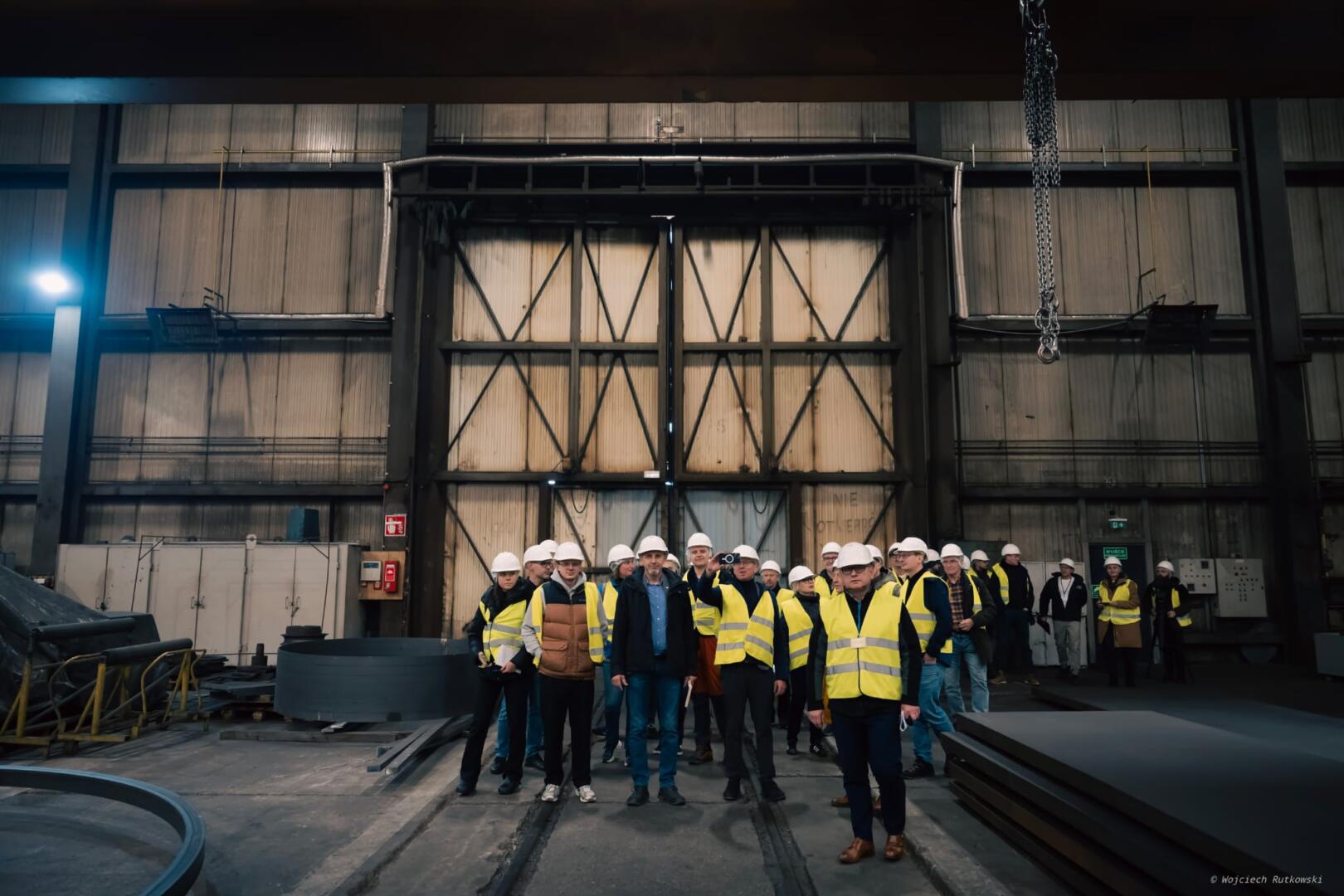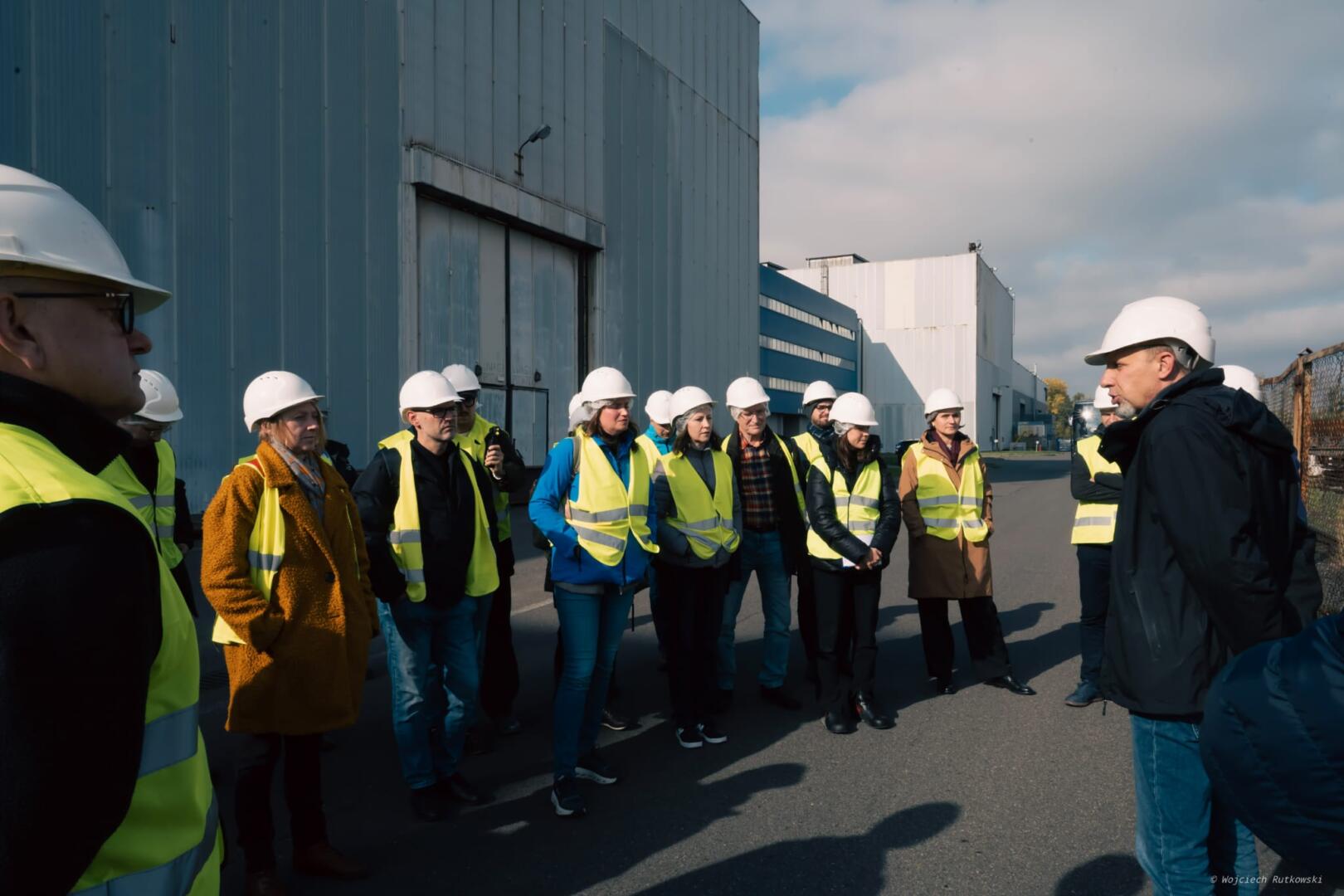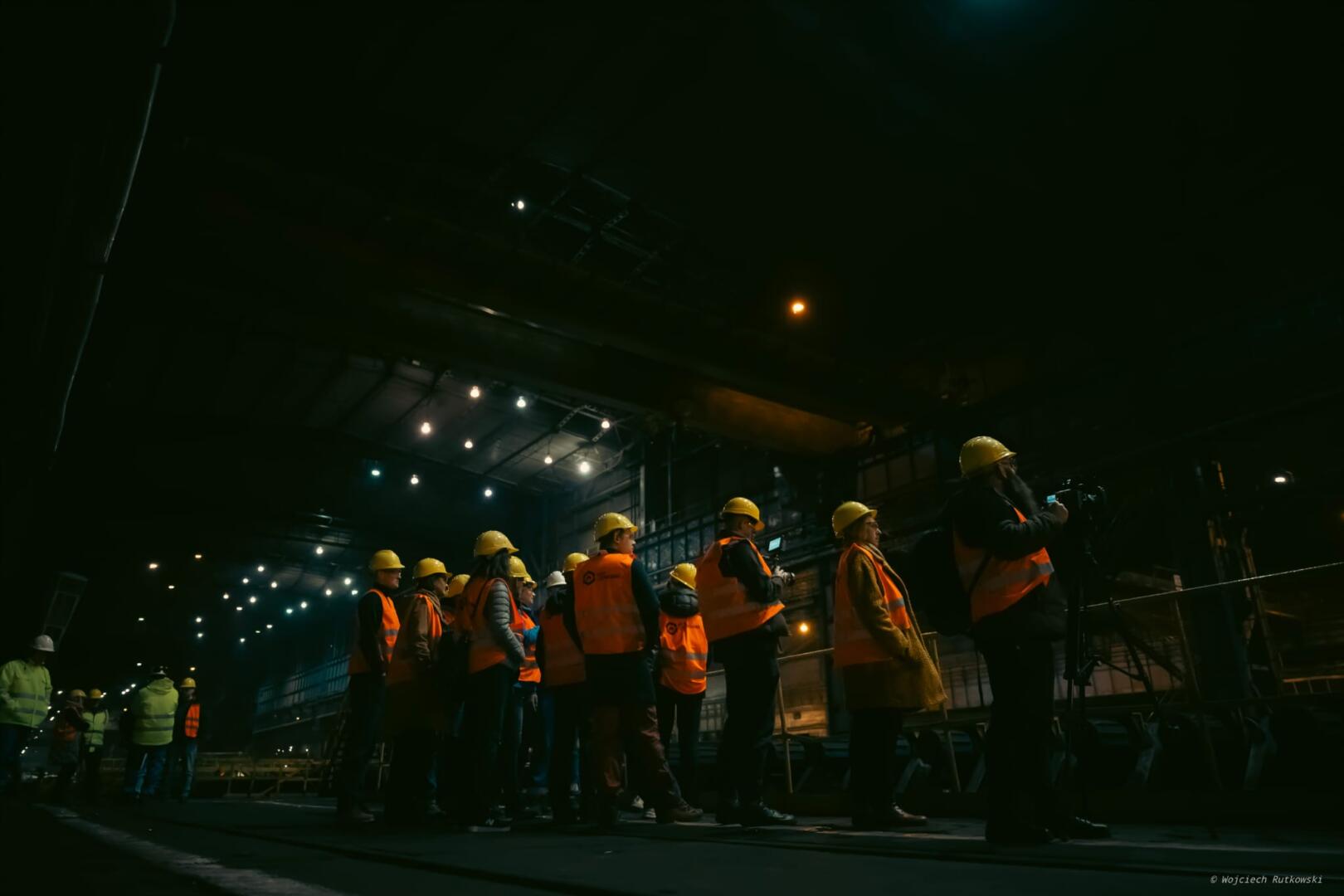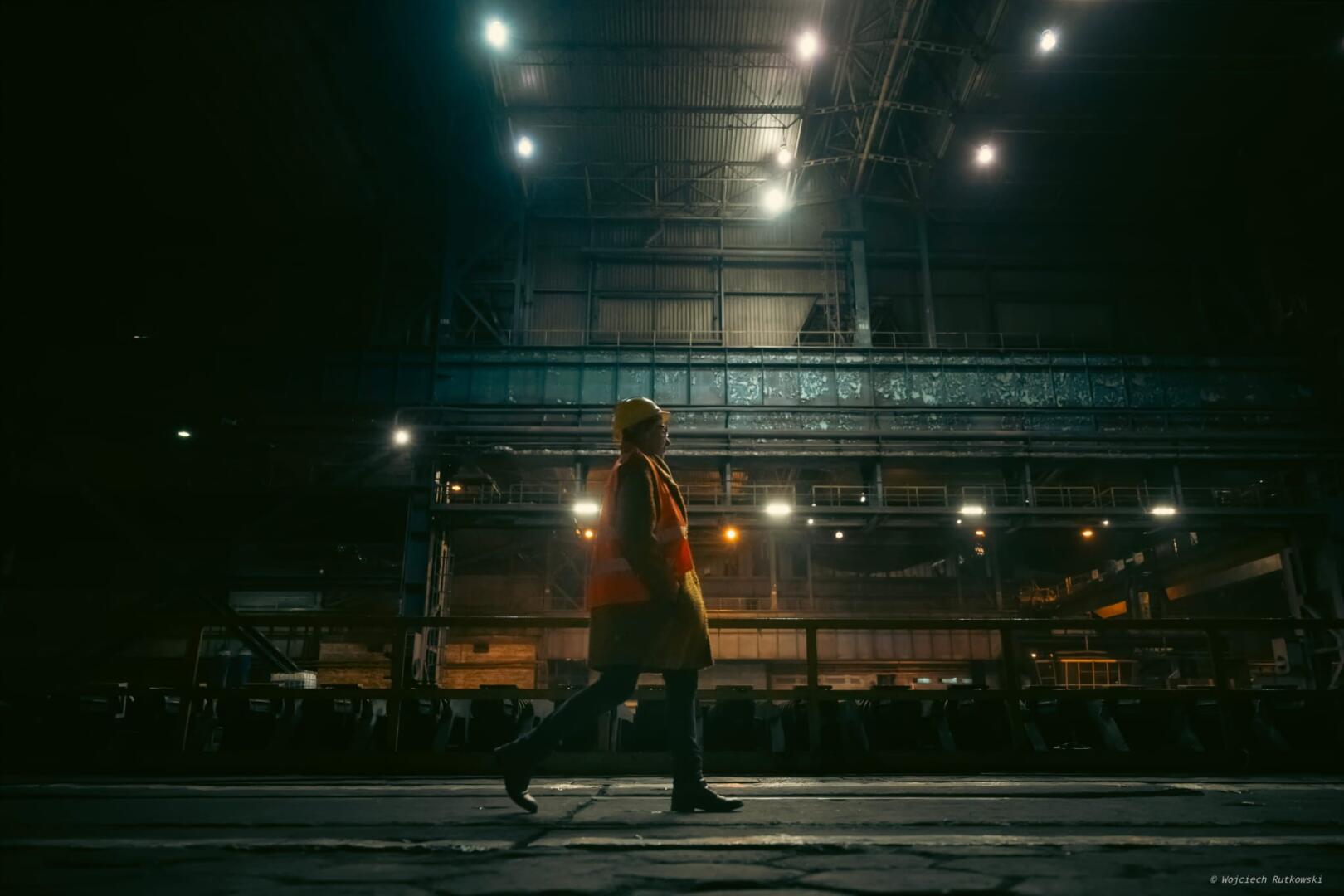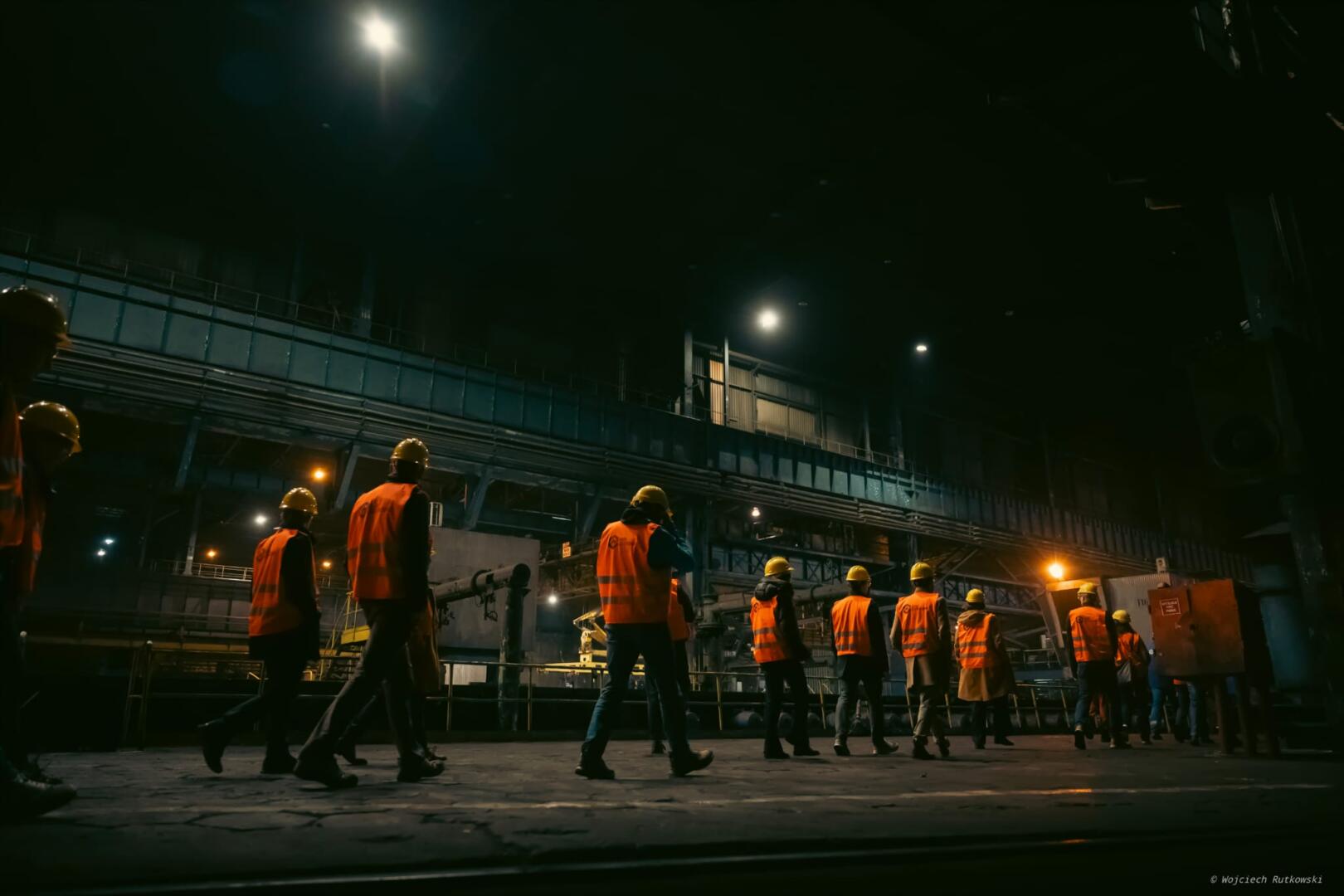
On 19–20 October, the Wind Industry Hub Foundation and the Polish Wind Energy Association presented the “Polish Strategy for the Development of the Onshore Wind Farm Industry” in practice! During a study tour tracing the Polish onshore wind supply chain, we took several dozen guests on a route through Lesser Poland, Silesia and the Opole region. They included representatives of the Ministry of Energy, the Ministry of Climate and Environment, the Ministry of Finance, the Ministry of Development and Technology and the Industrial Development Agency (ARP S.A.), as well as Parliament, universities, local governments and the media. We saw the entire supply chain: electronics, gearboxes, diagnostics, steel production and an operating wind farm.
Along the route we visited:
- ConverterTec OEM in Brzegi, which manufactures converter and control systems operating in wind turbines with a combined capacity of over 100 GW worldwide,
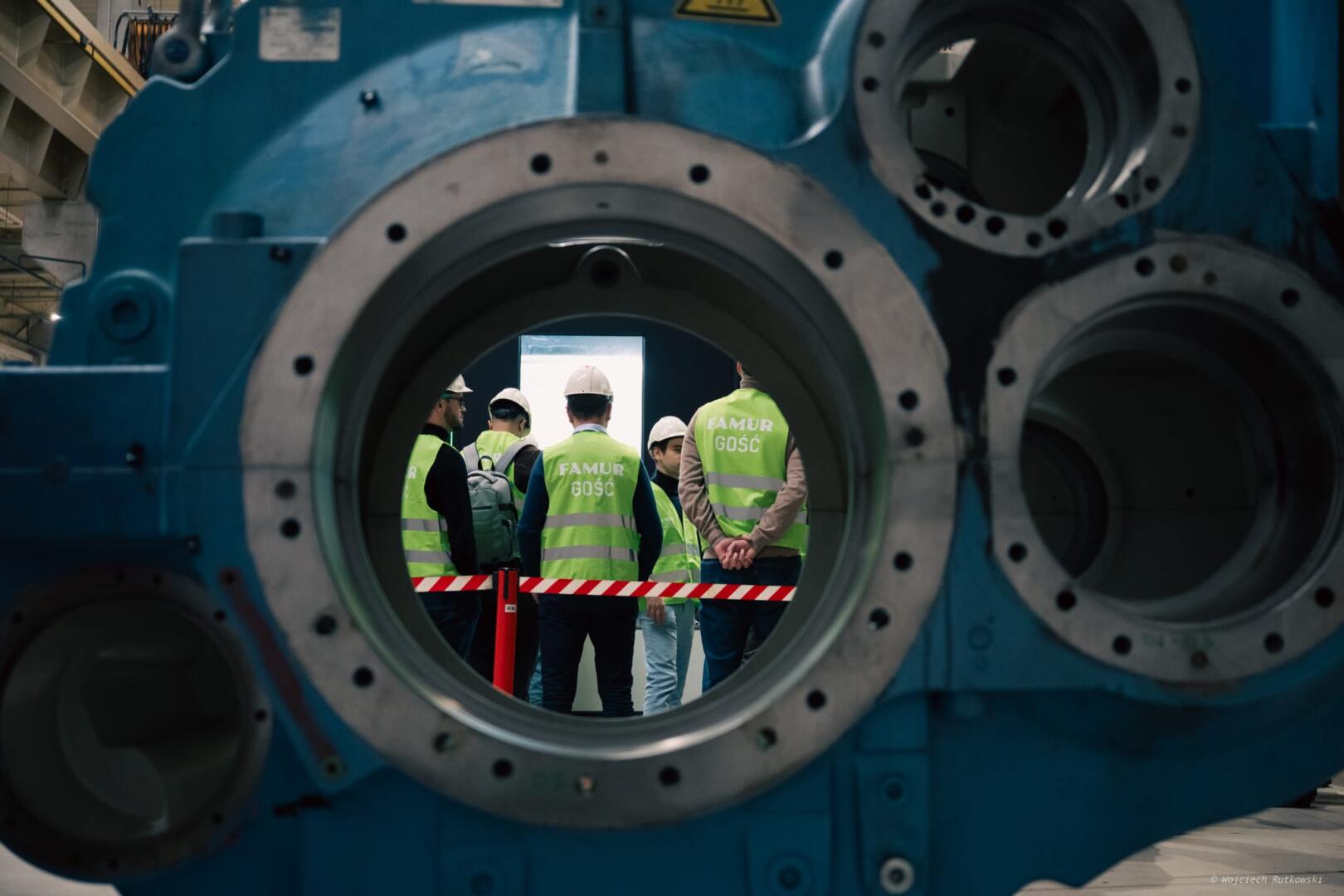
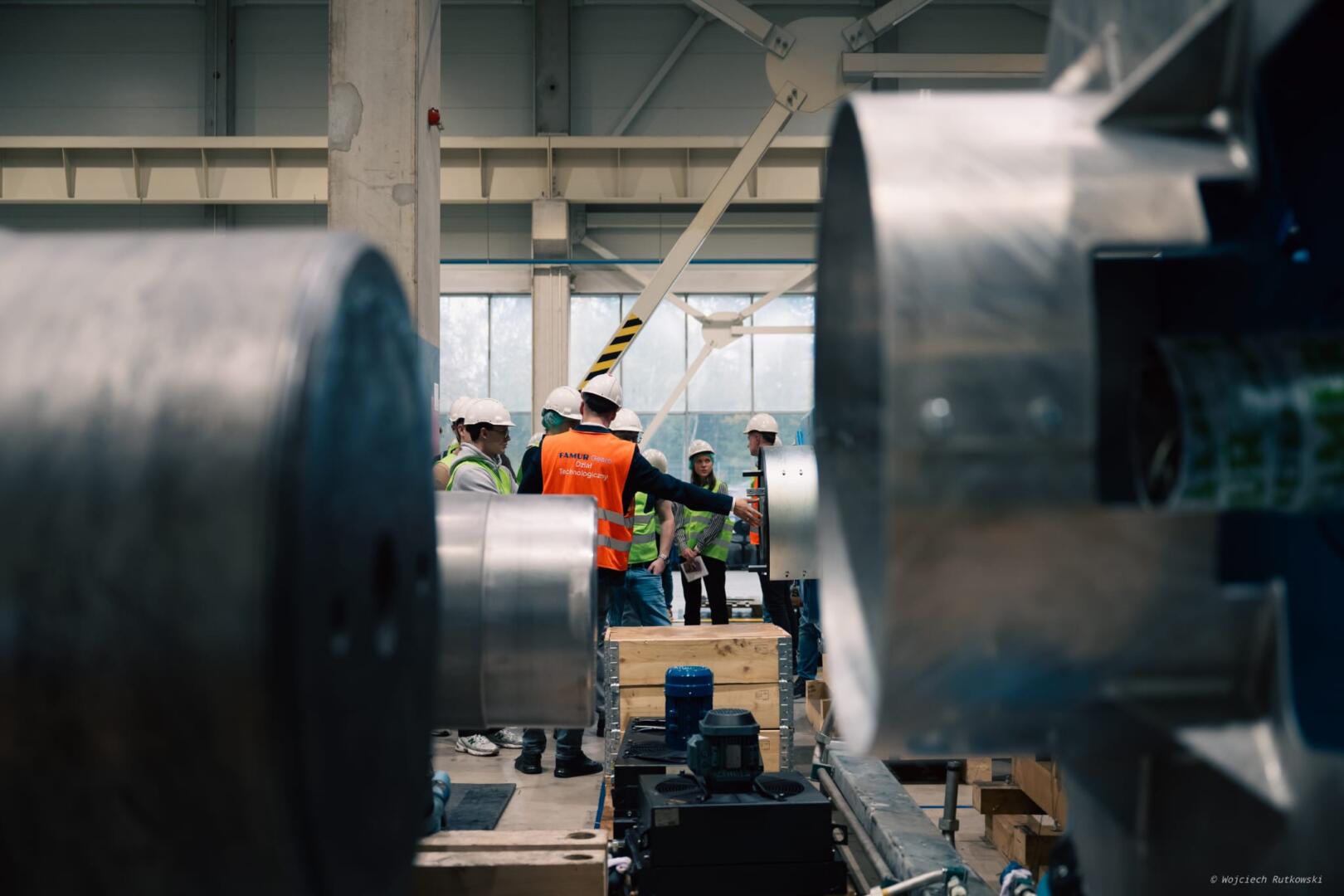
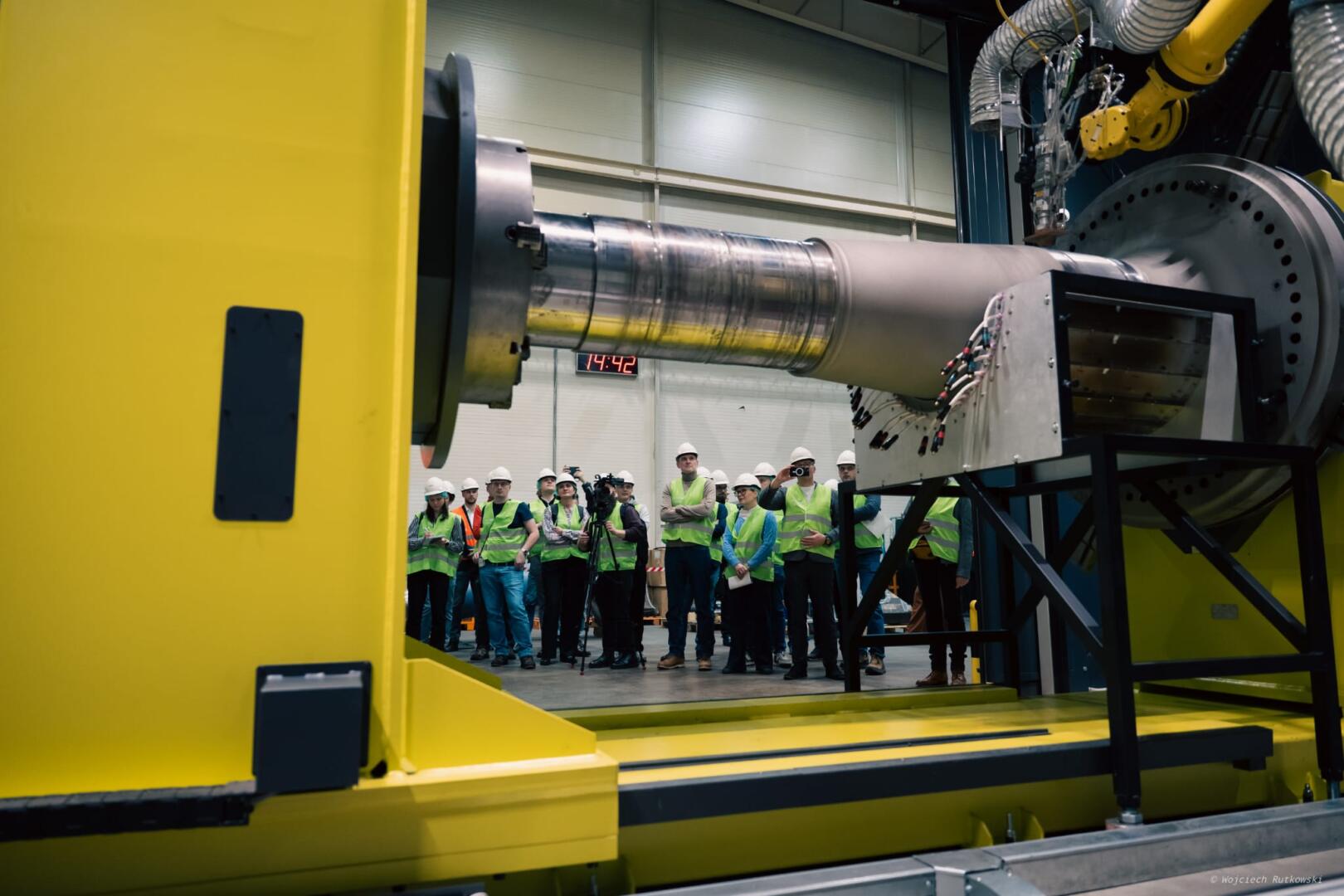
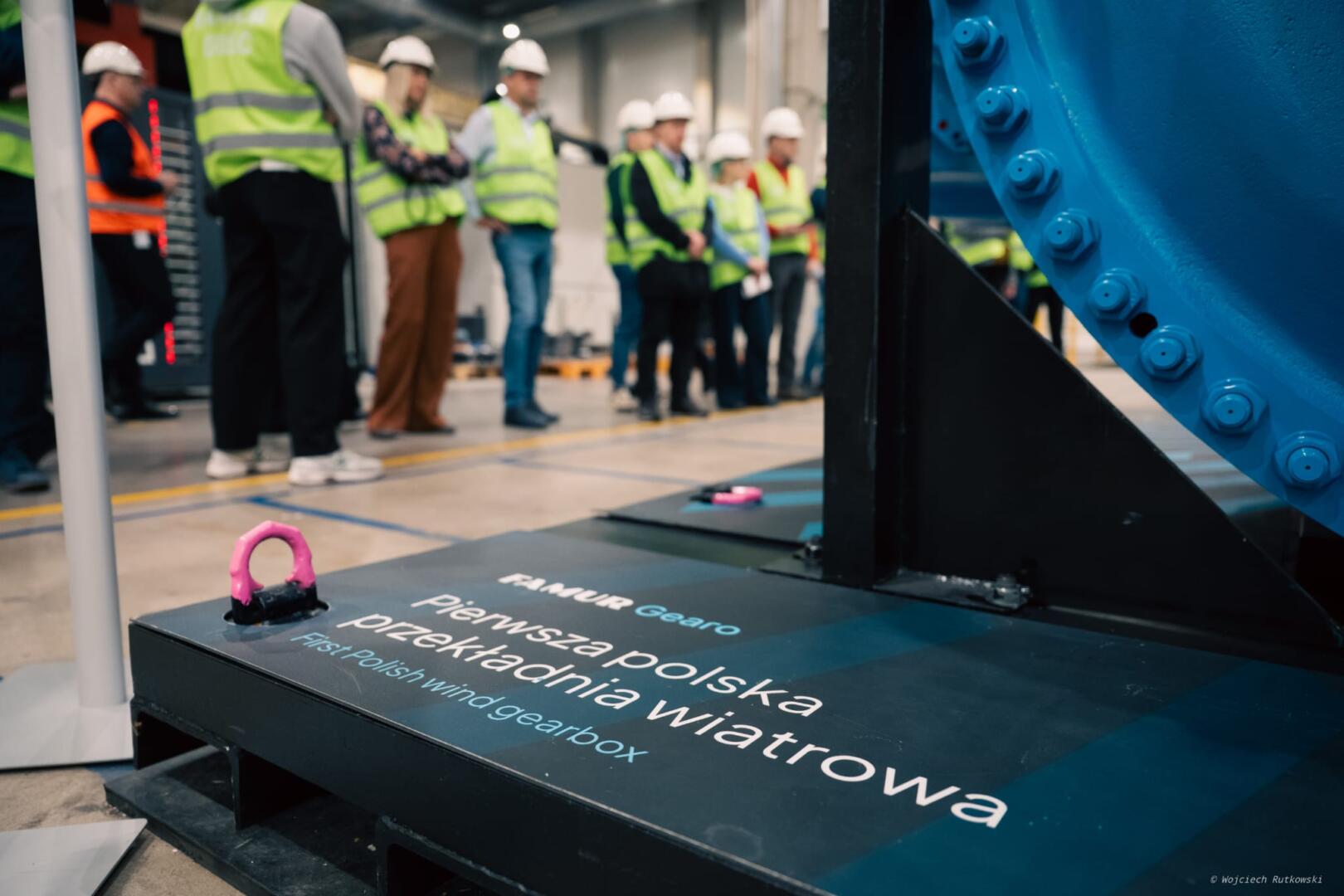
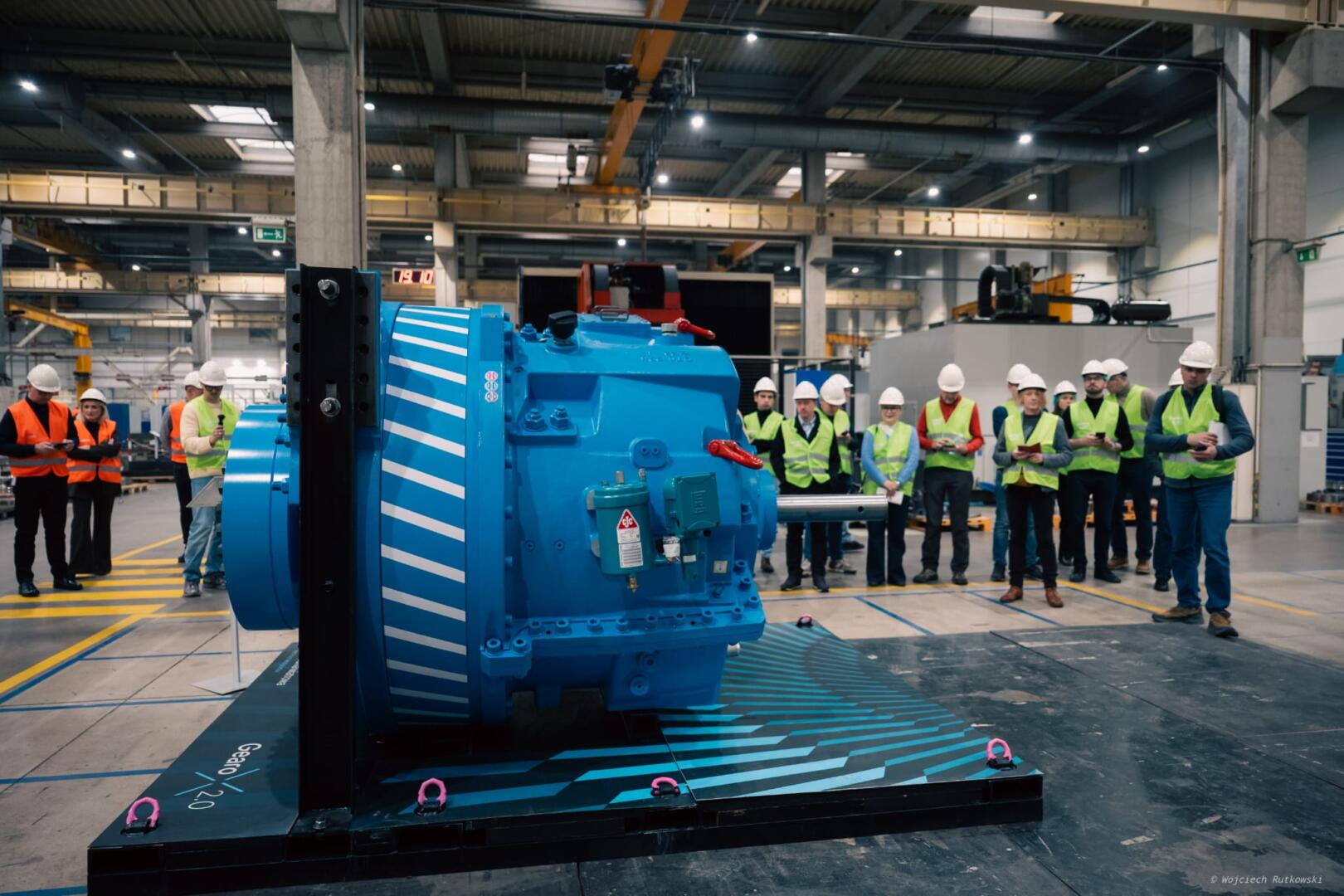
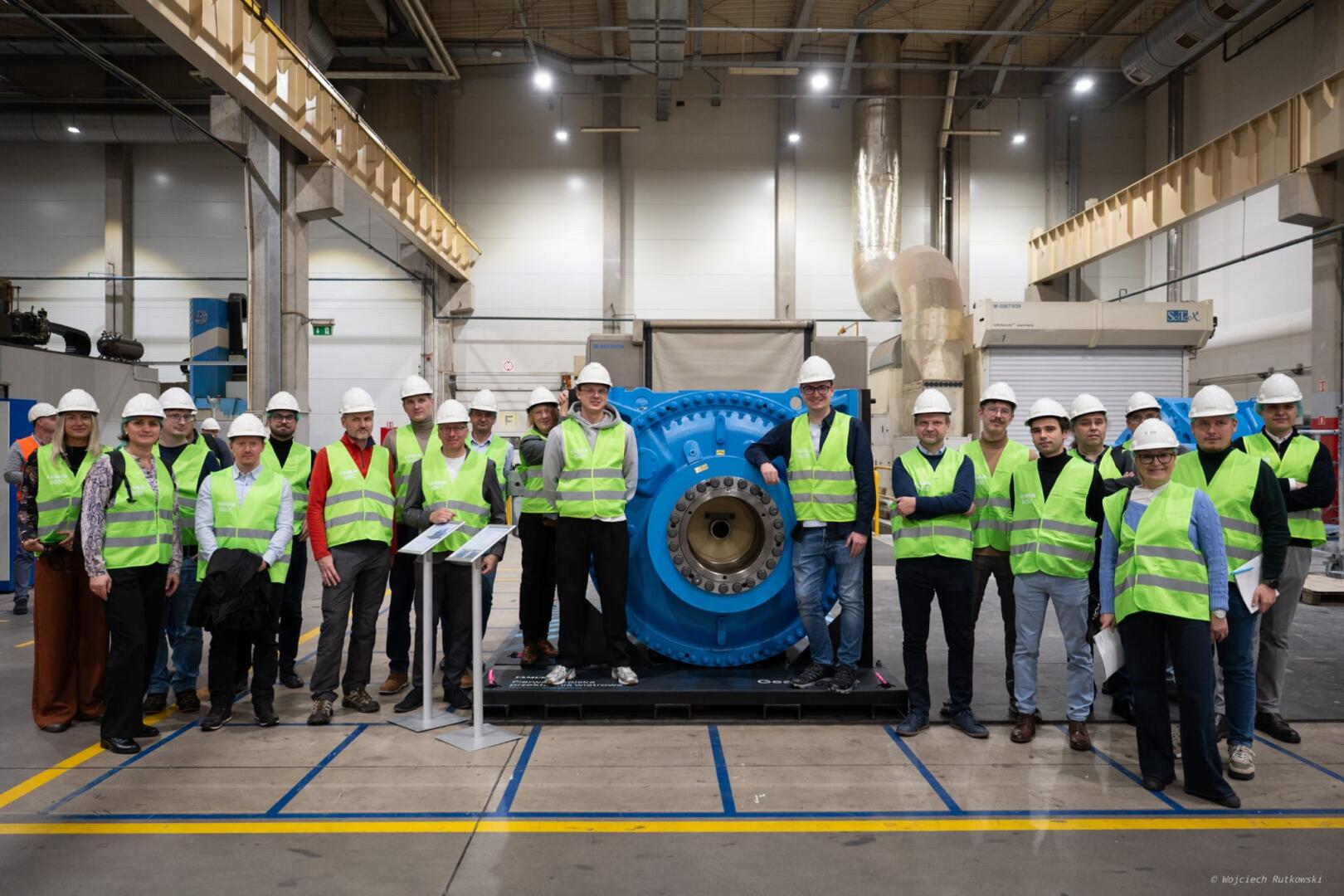
- FAMUR Gearo in Katowice, where we saw GearoX, the first Polish main gearbox for wind turbines, with local content of up to 90%,
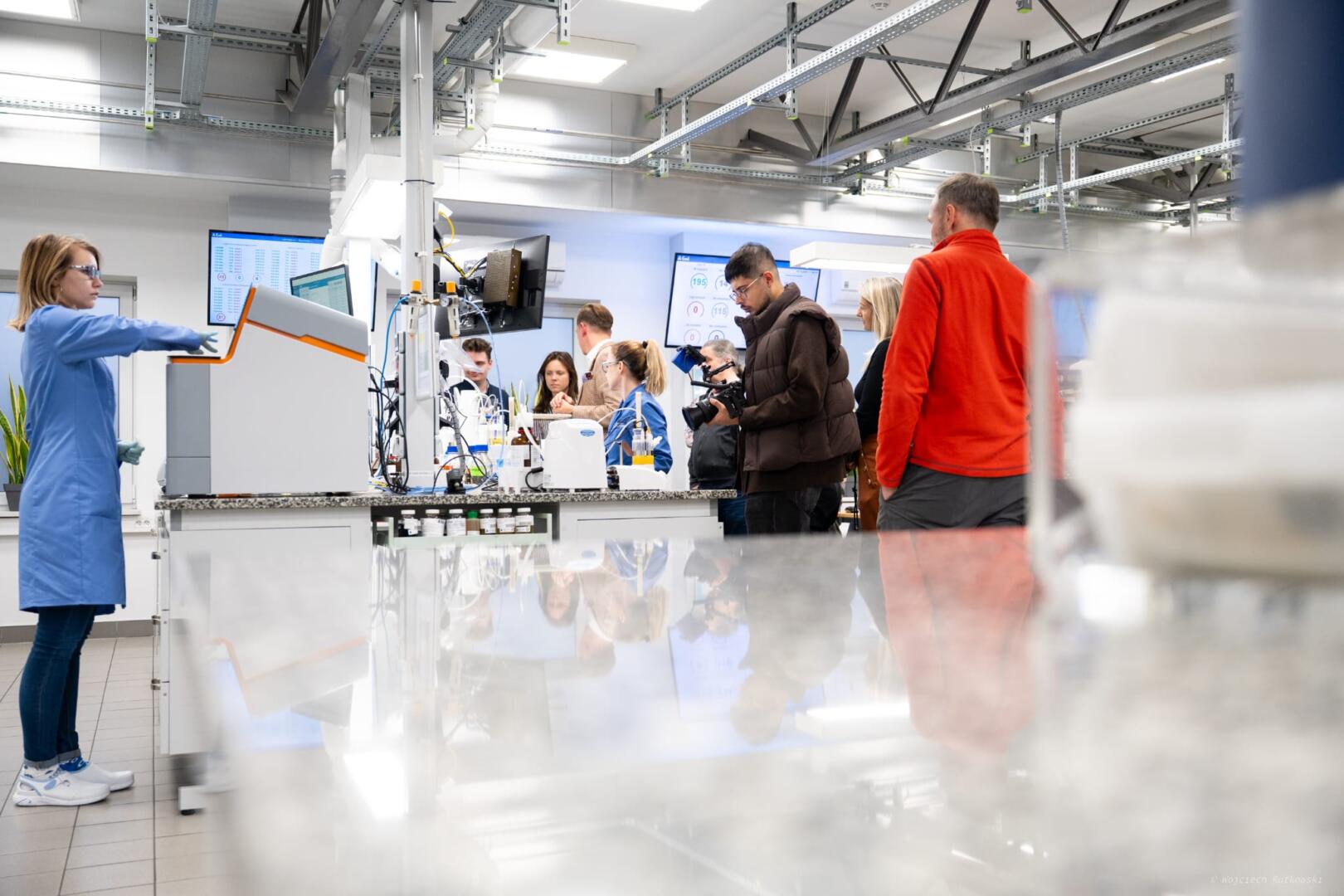
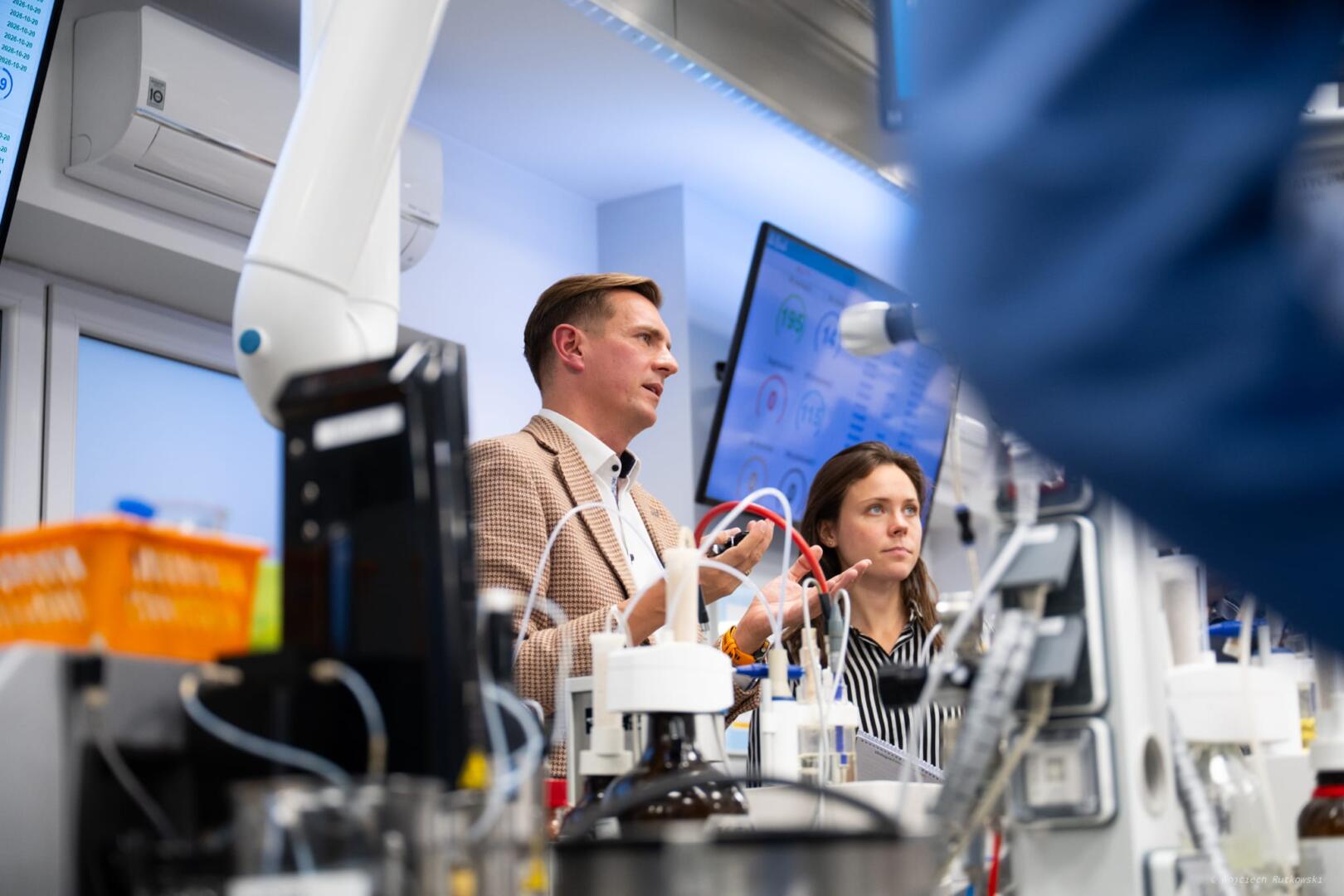
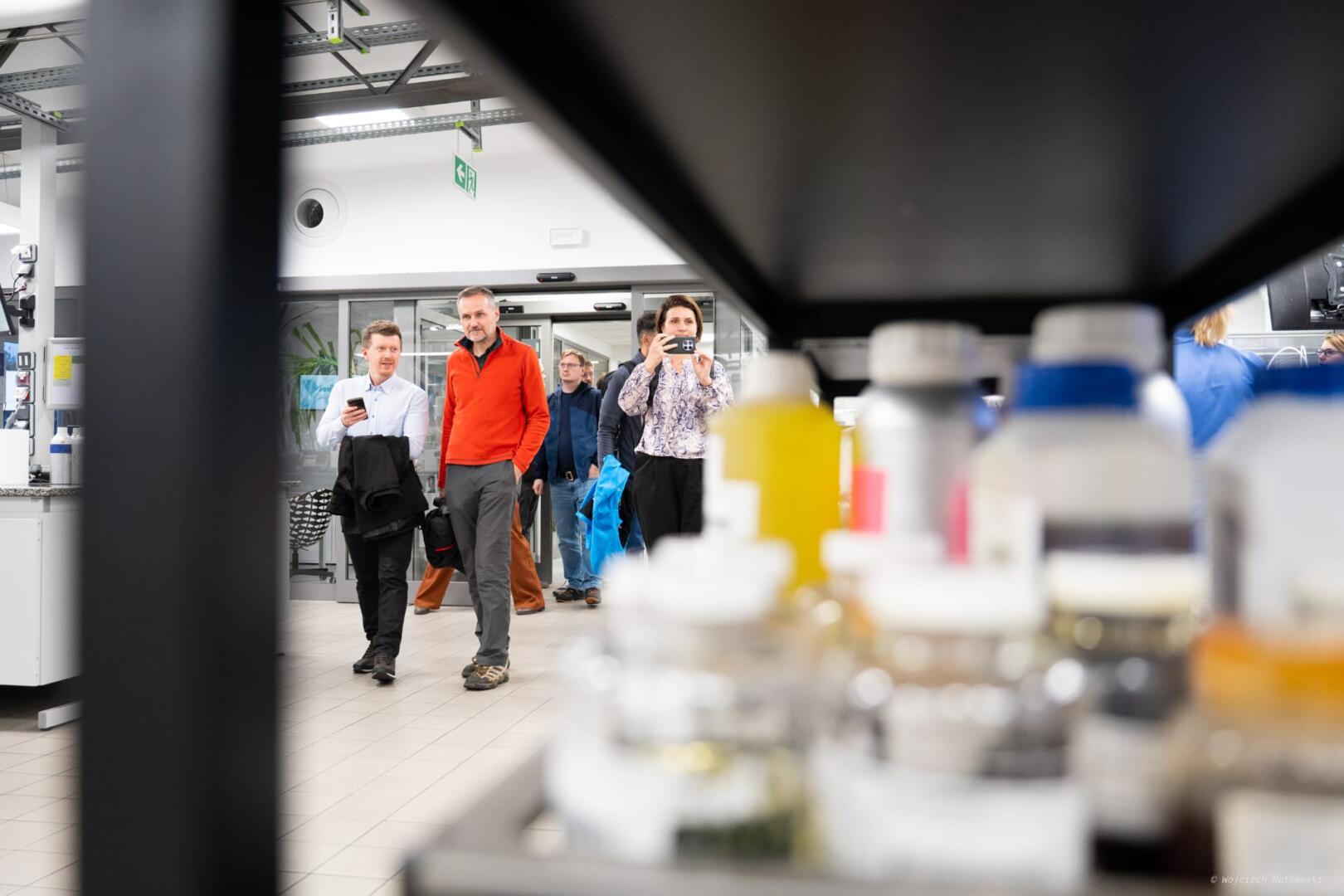
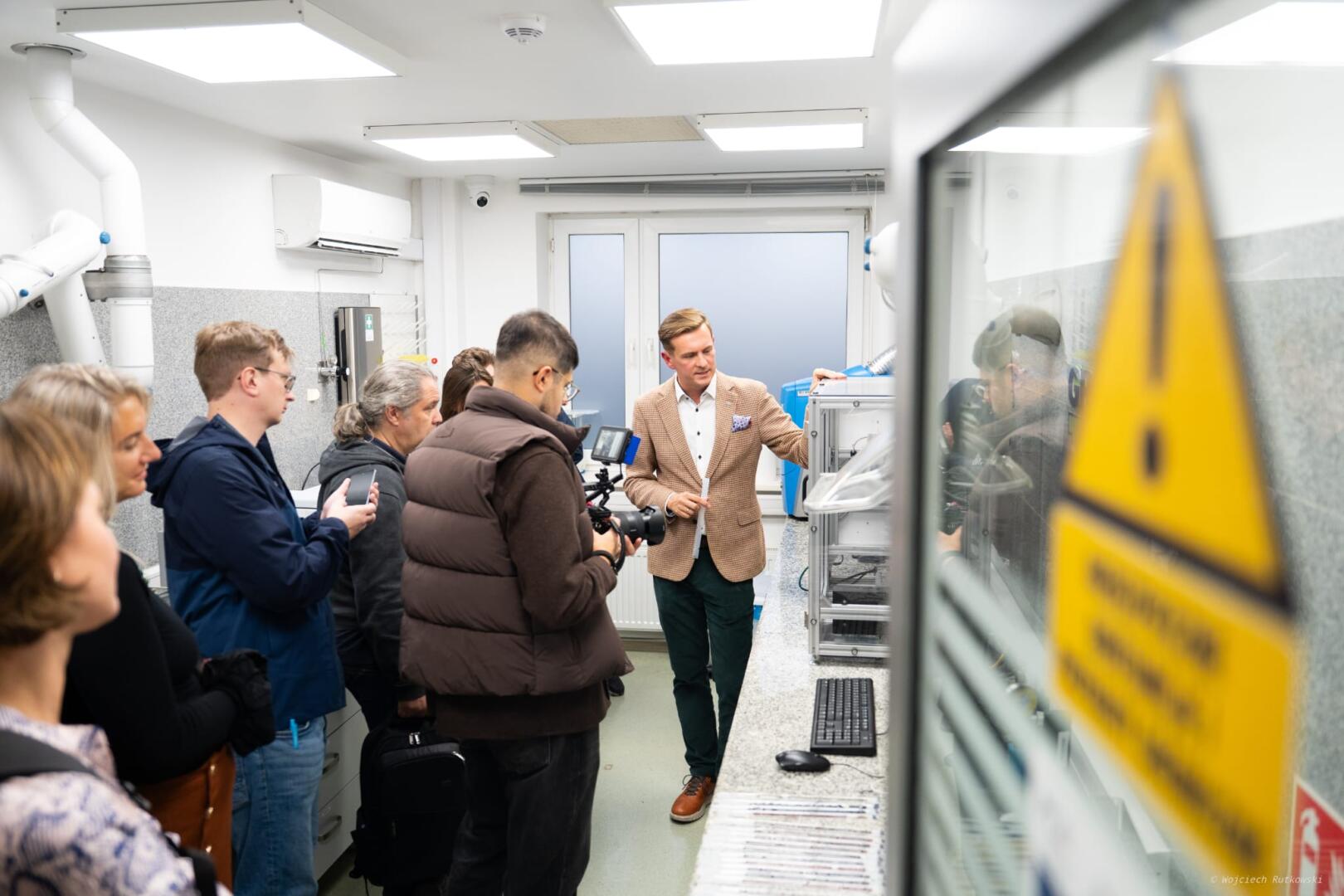
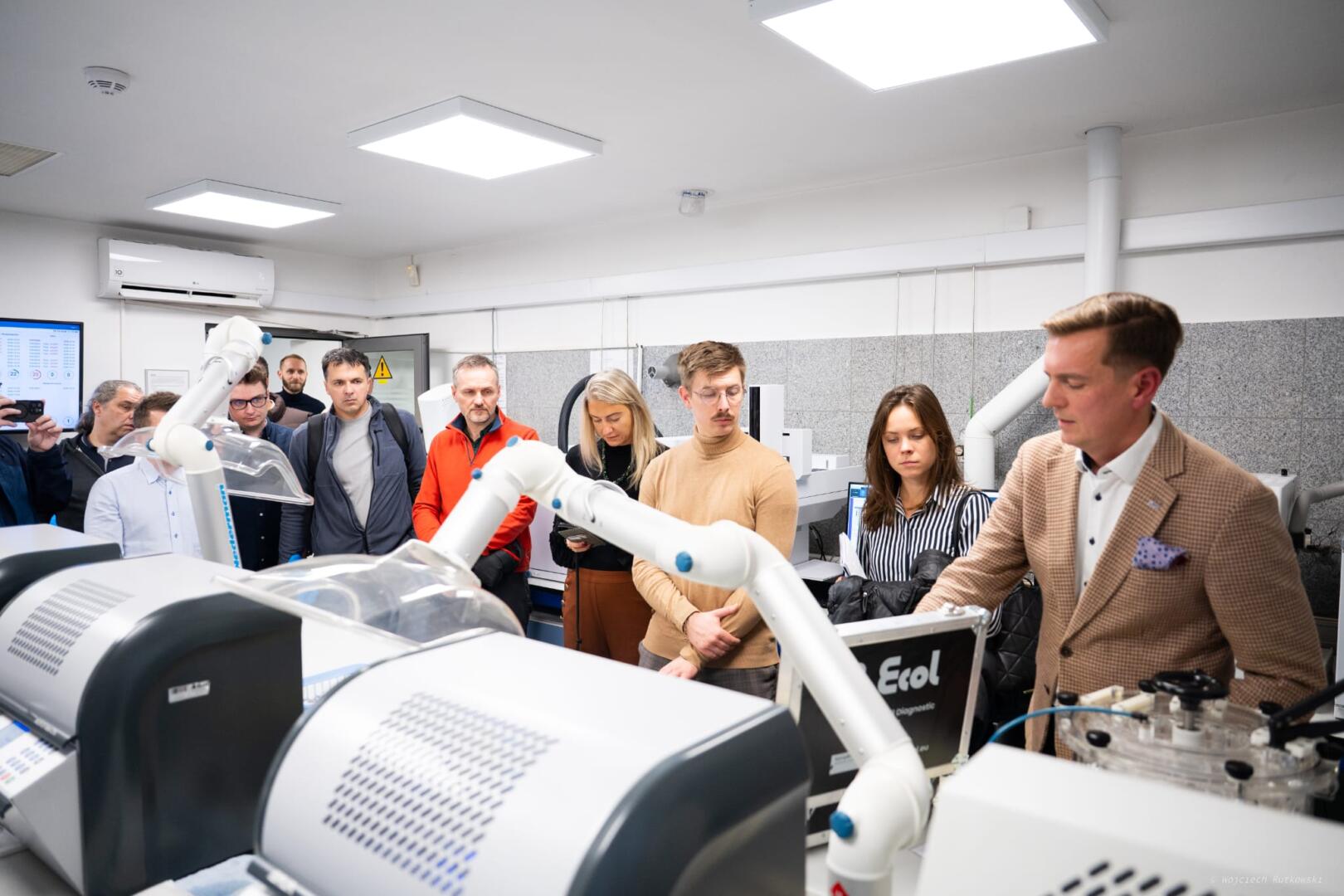
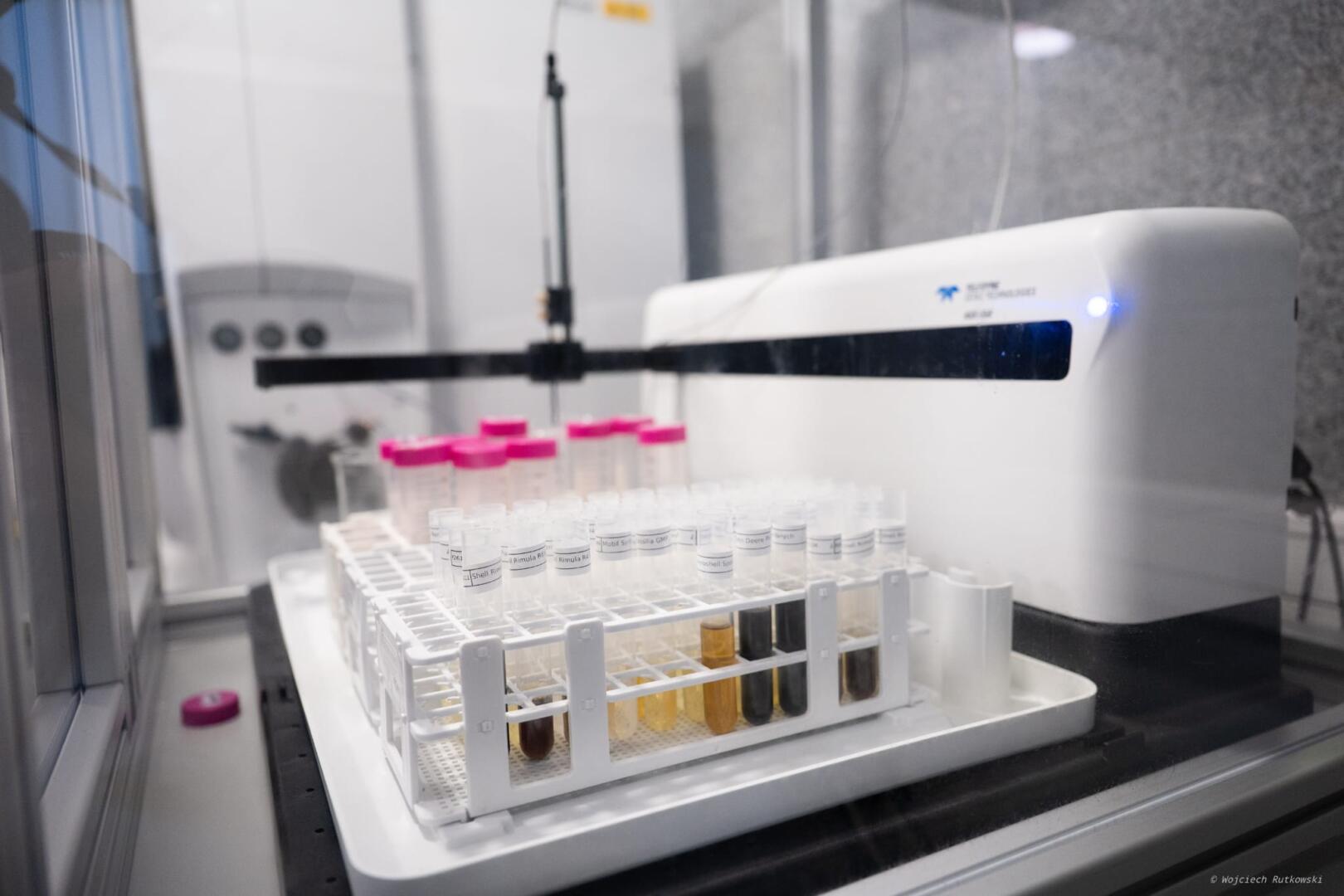
- Ecol in Rybnik, where we learned that oil is the lifeblood of the entire wind power plant, and that testing it, much like a blood test, reveals the condition of the whole system. At Ecol’s accredited laboratory, a single drop is enough to detect a fault before it turns into a failure,
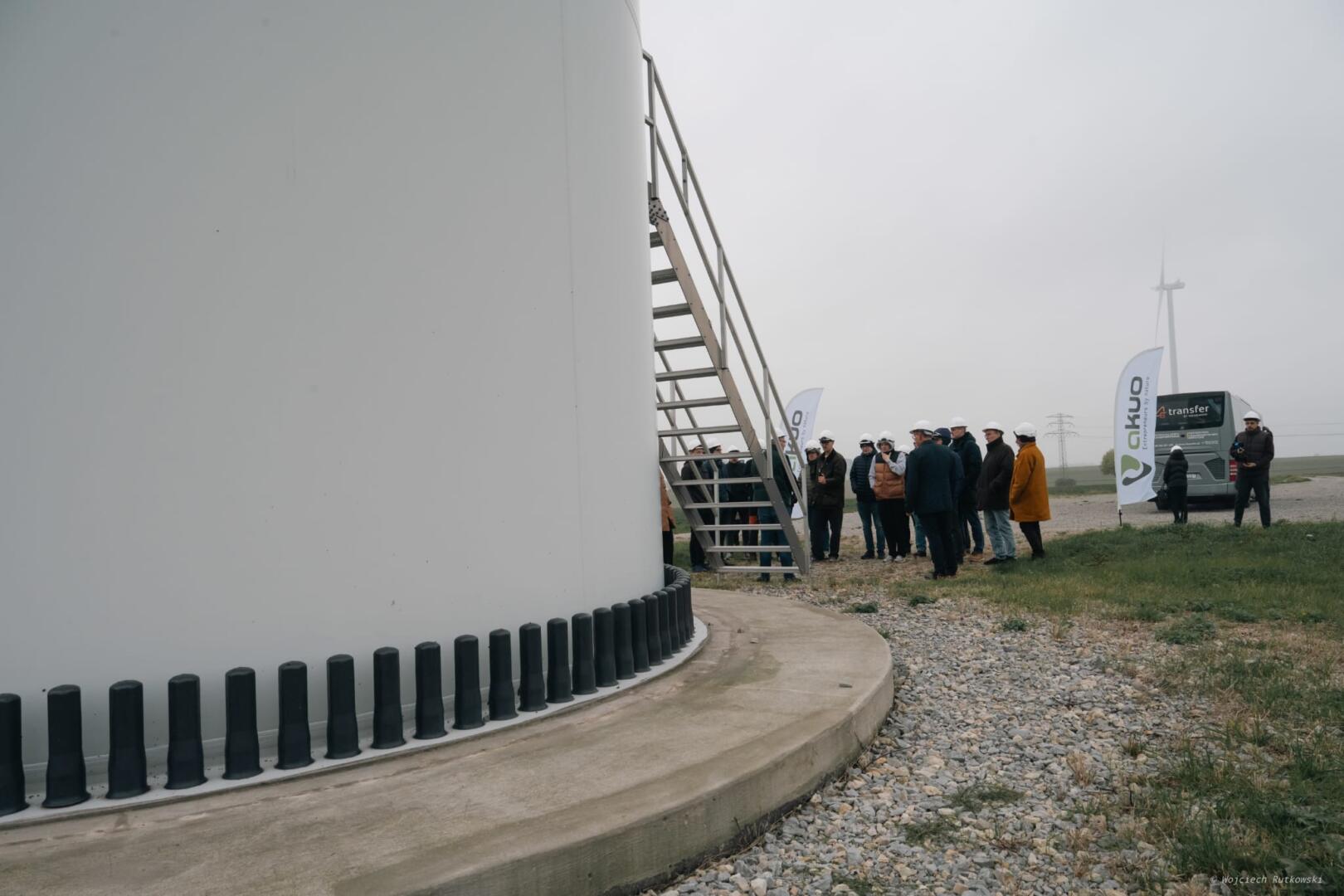
- the Wielowieś Wind Farm (Akuo Energy Polska), made up of 20 turbines with a total capacity of 66 MW, generating around 200 GWh of electricity per year,
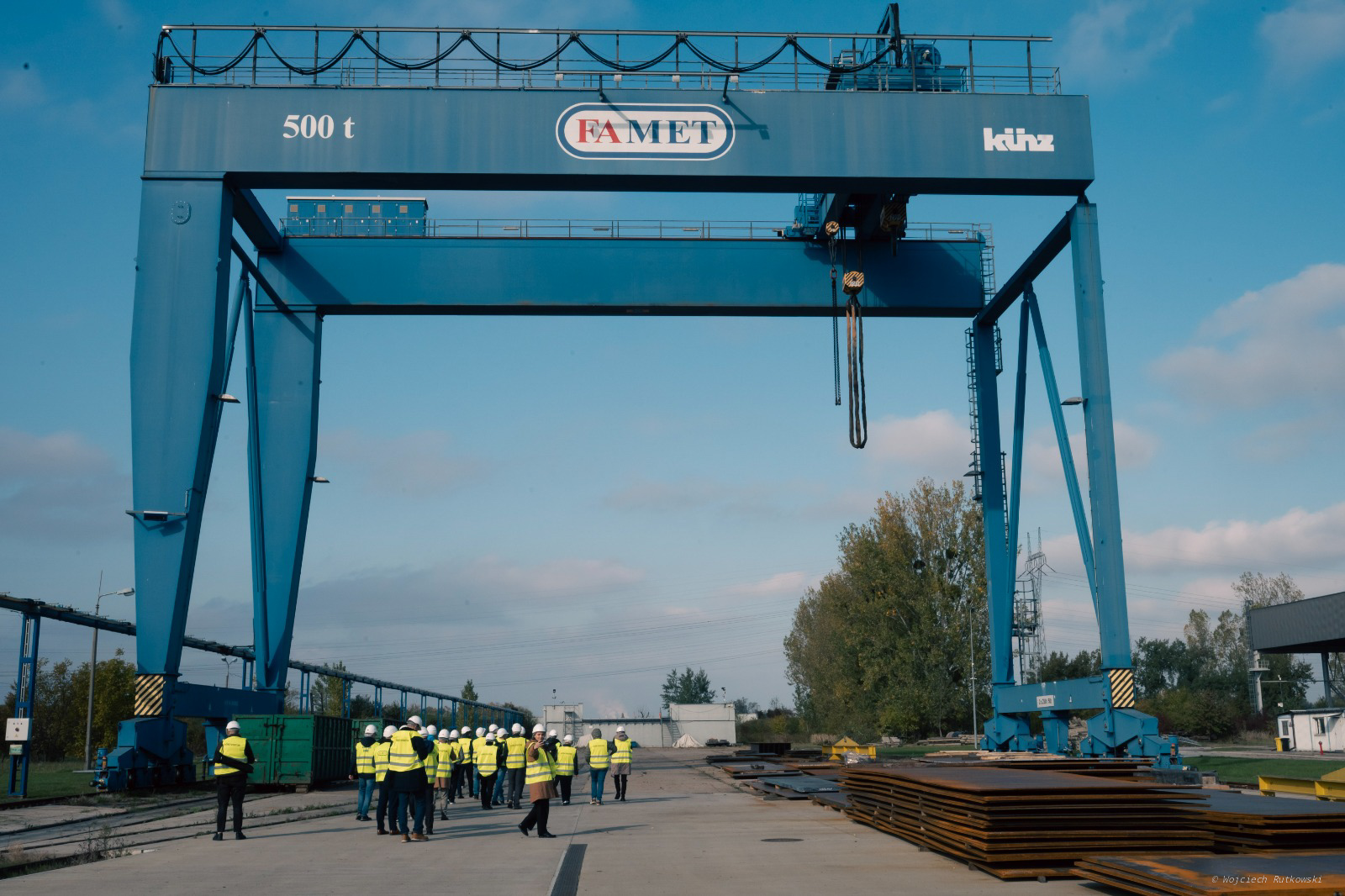
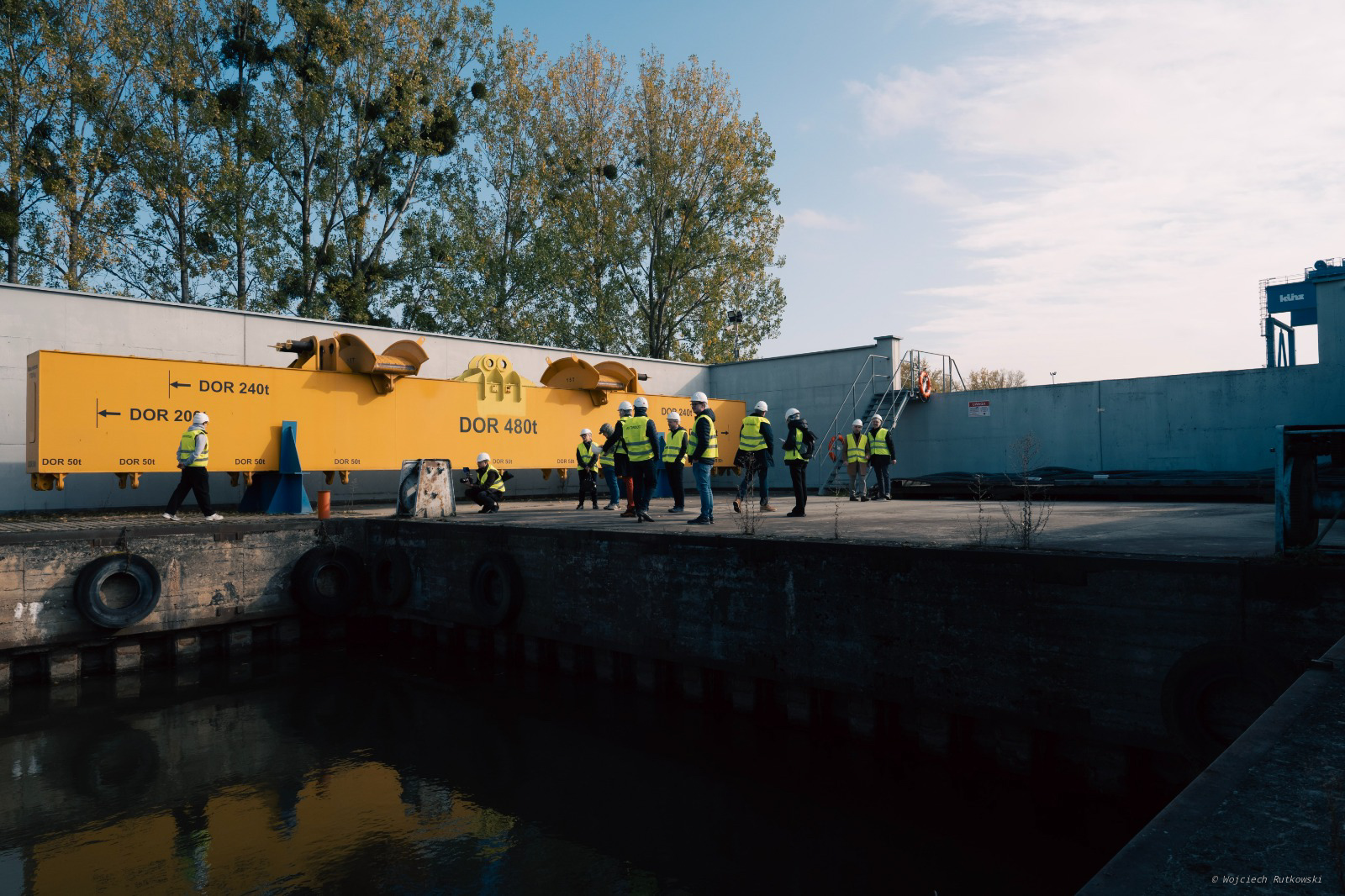
- FAMET in Opole, where we learned the ins and outs of manufacturing nacelle structural components and generator housings, which are often shipped onwards by water from the company’s own port on the Oder River,
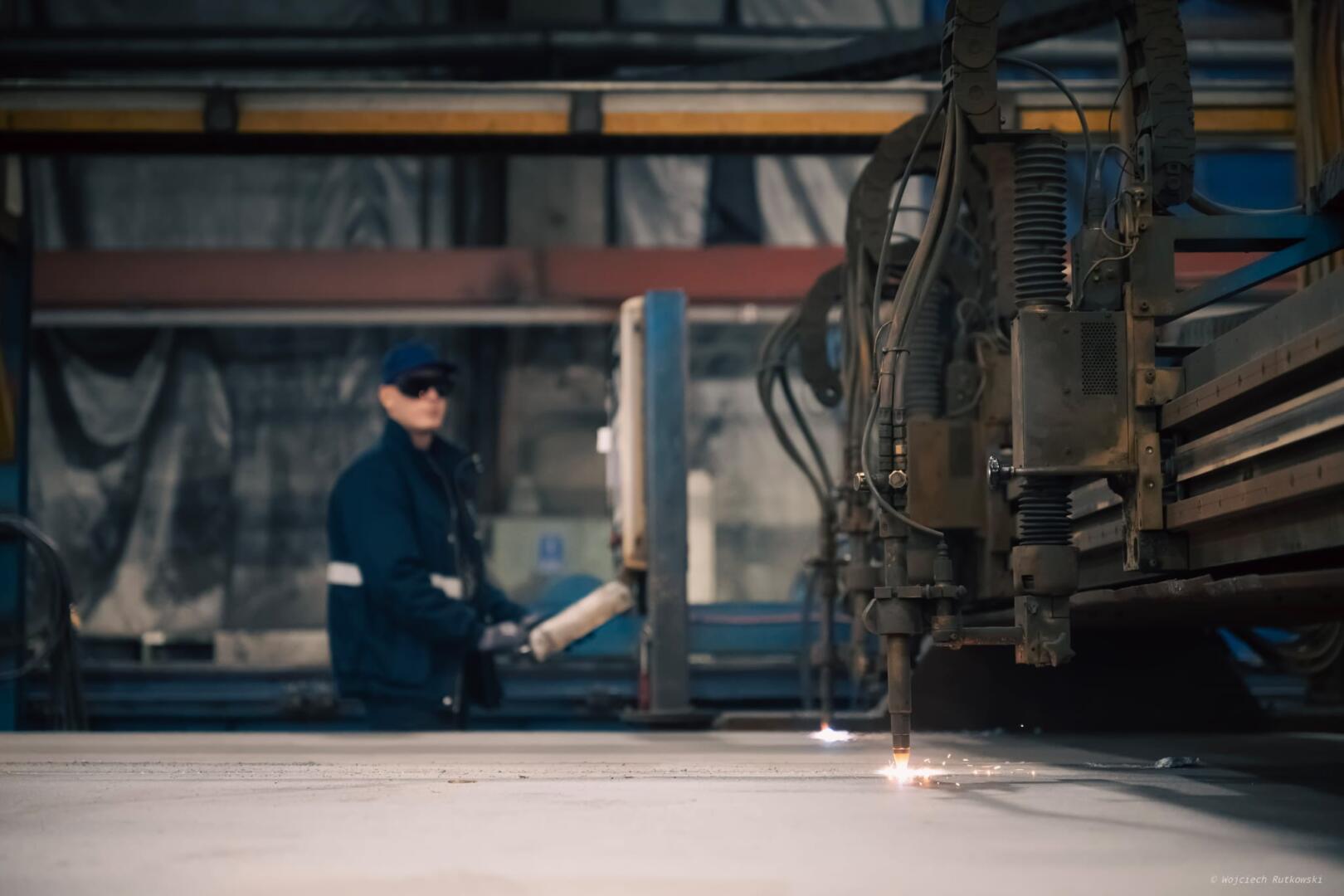
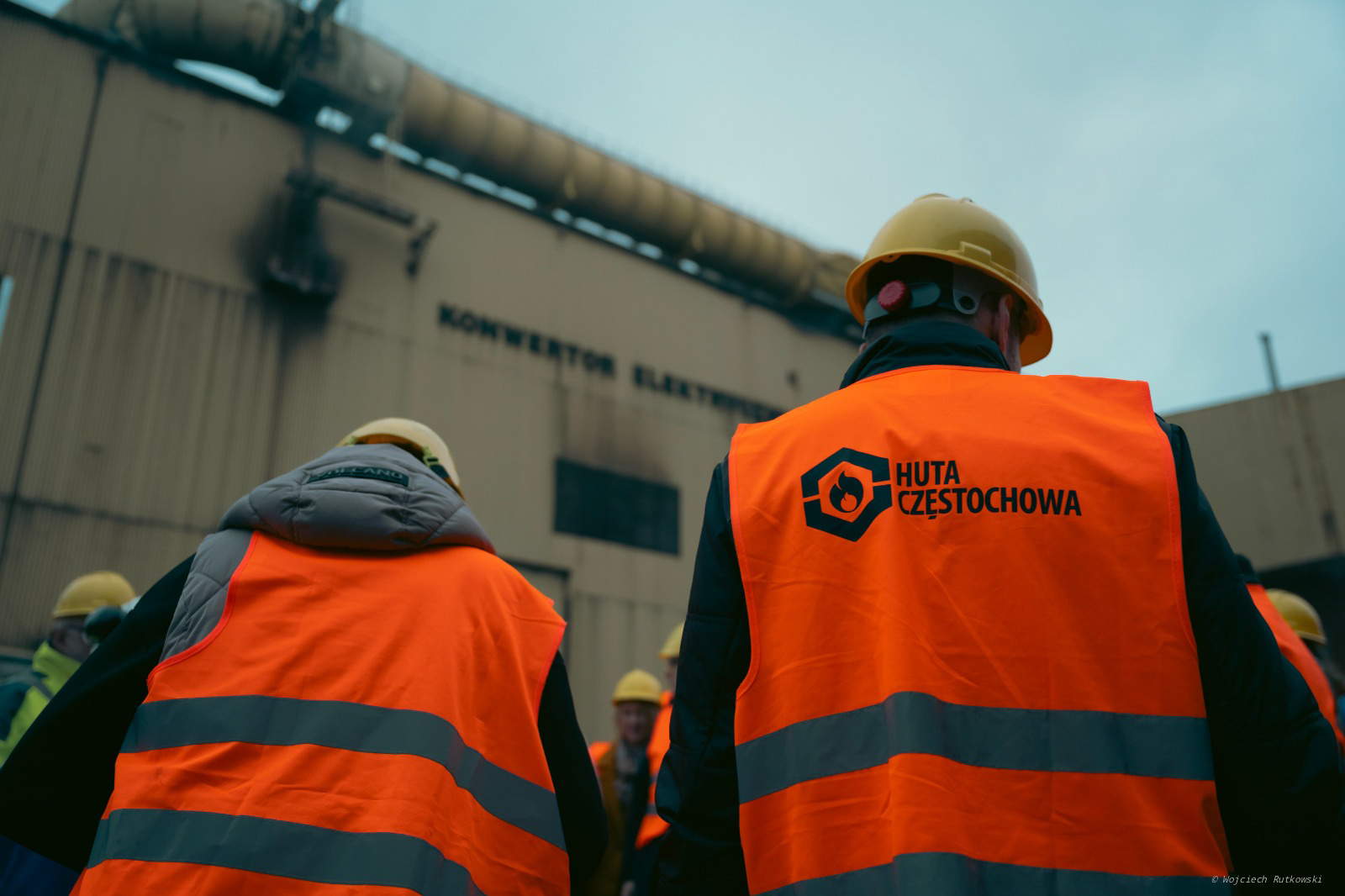
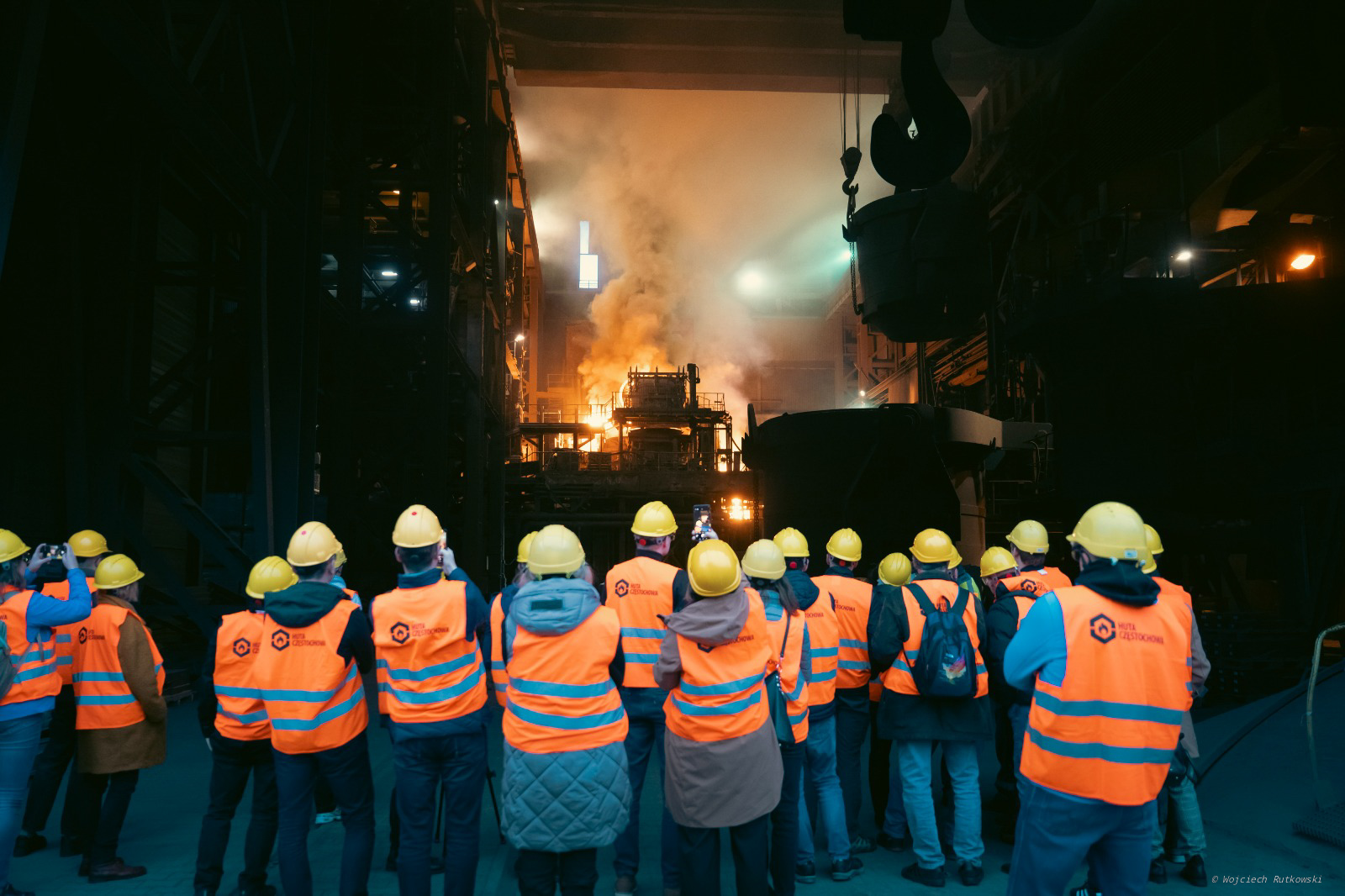
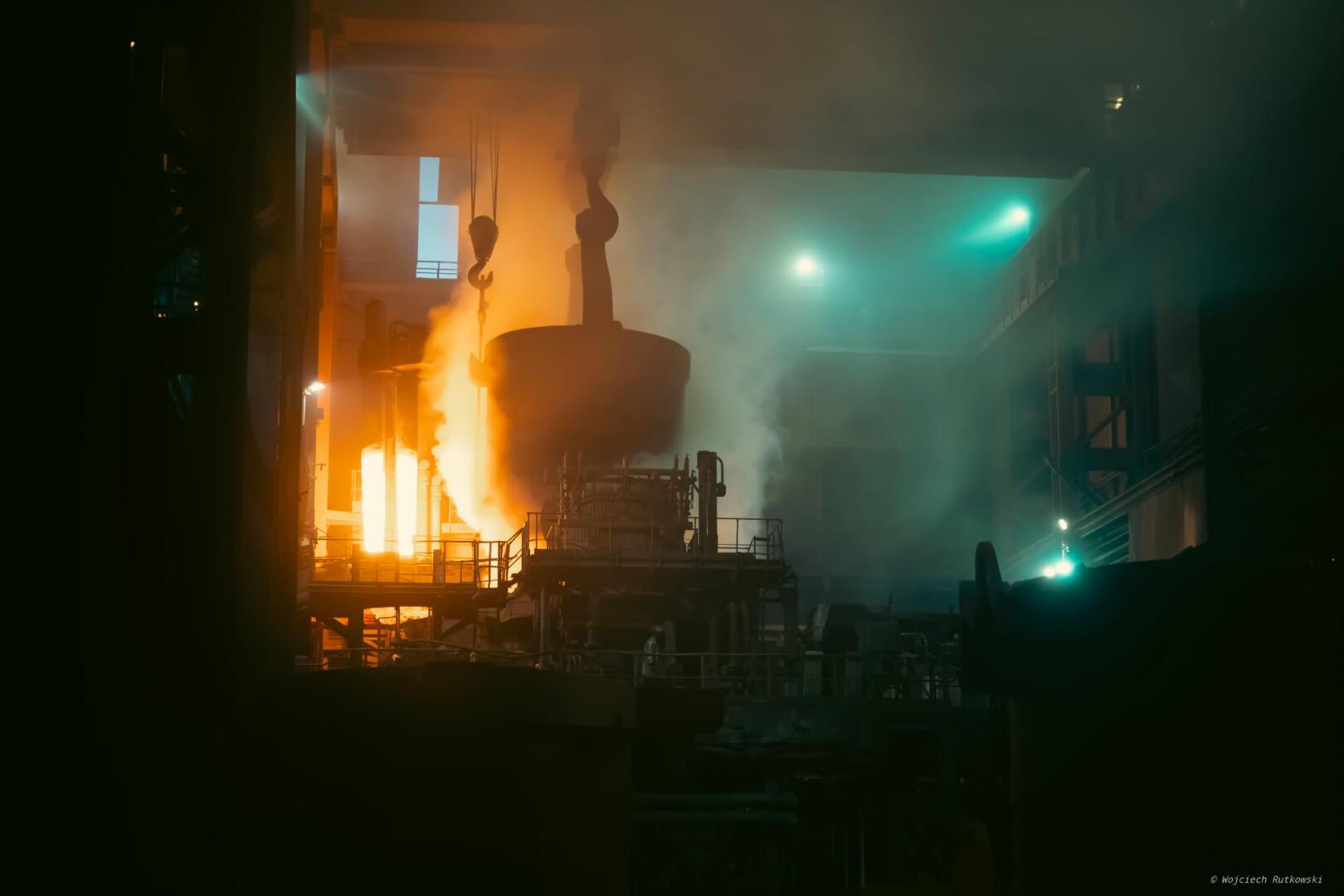
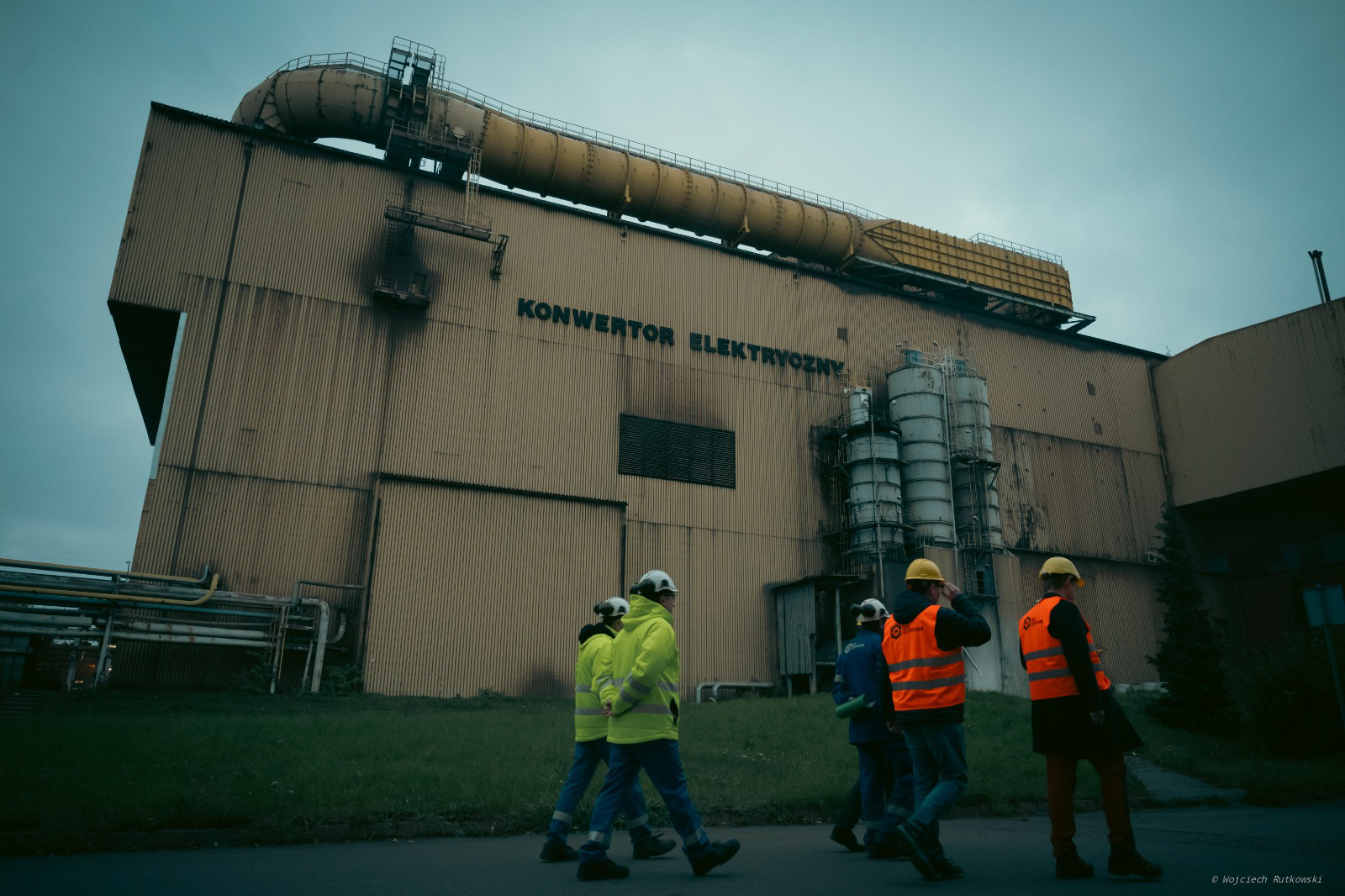
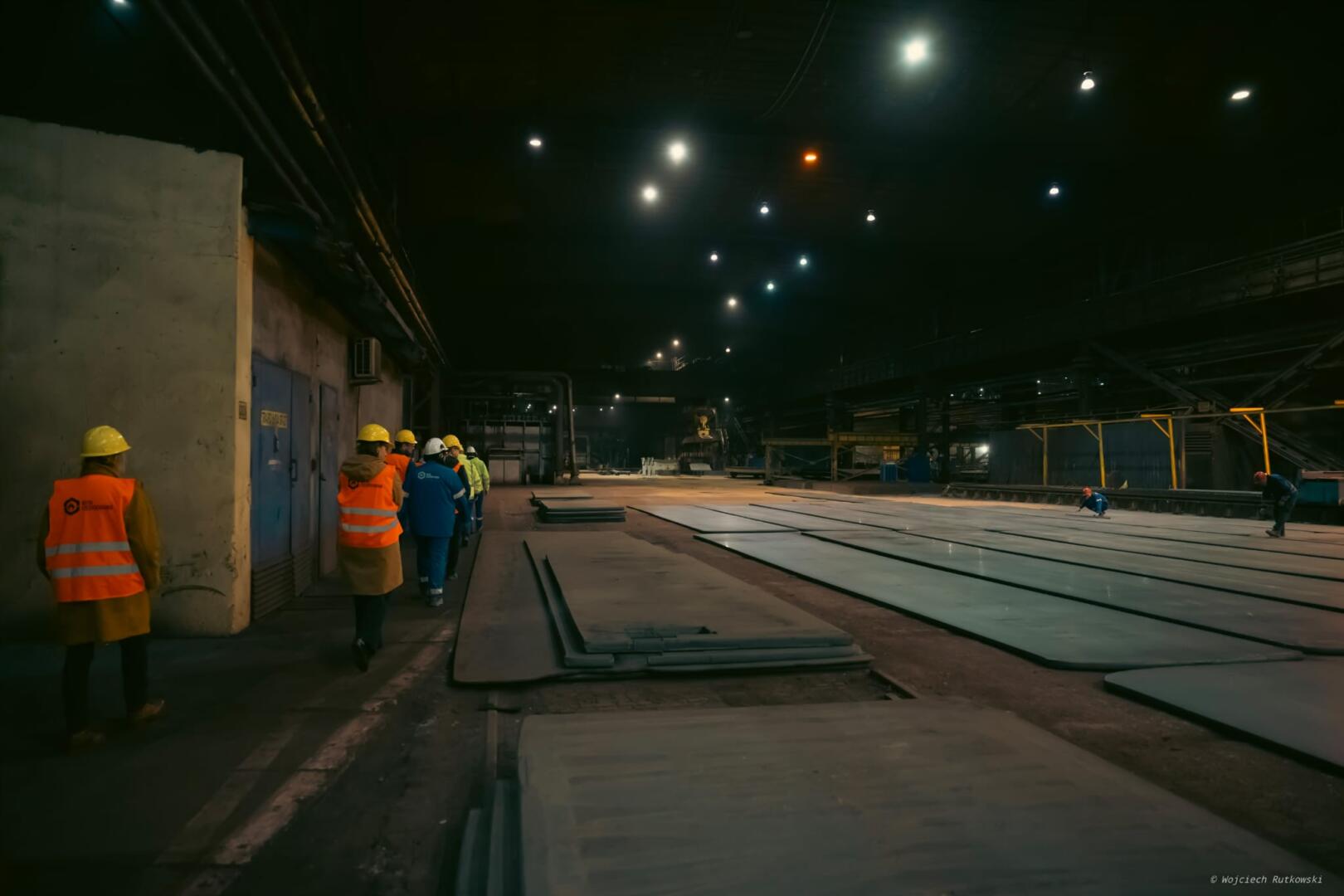
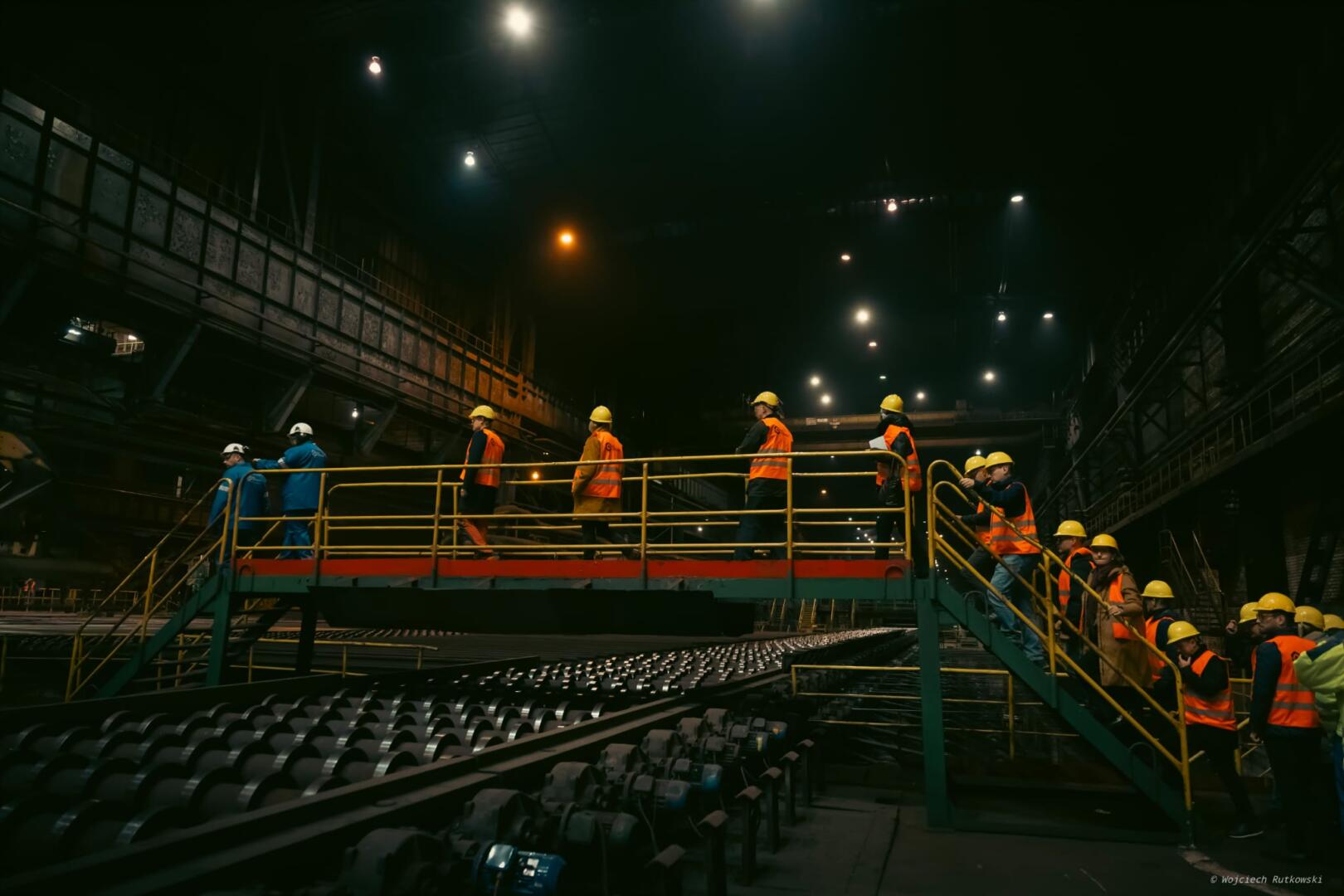
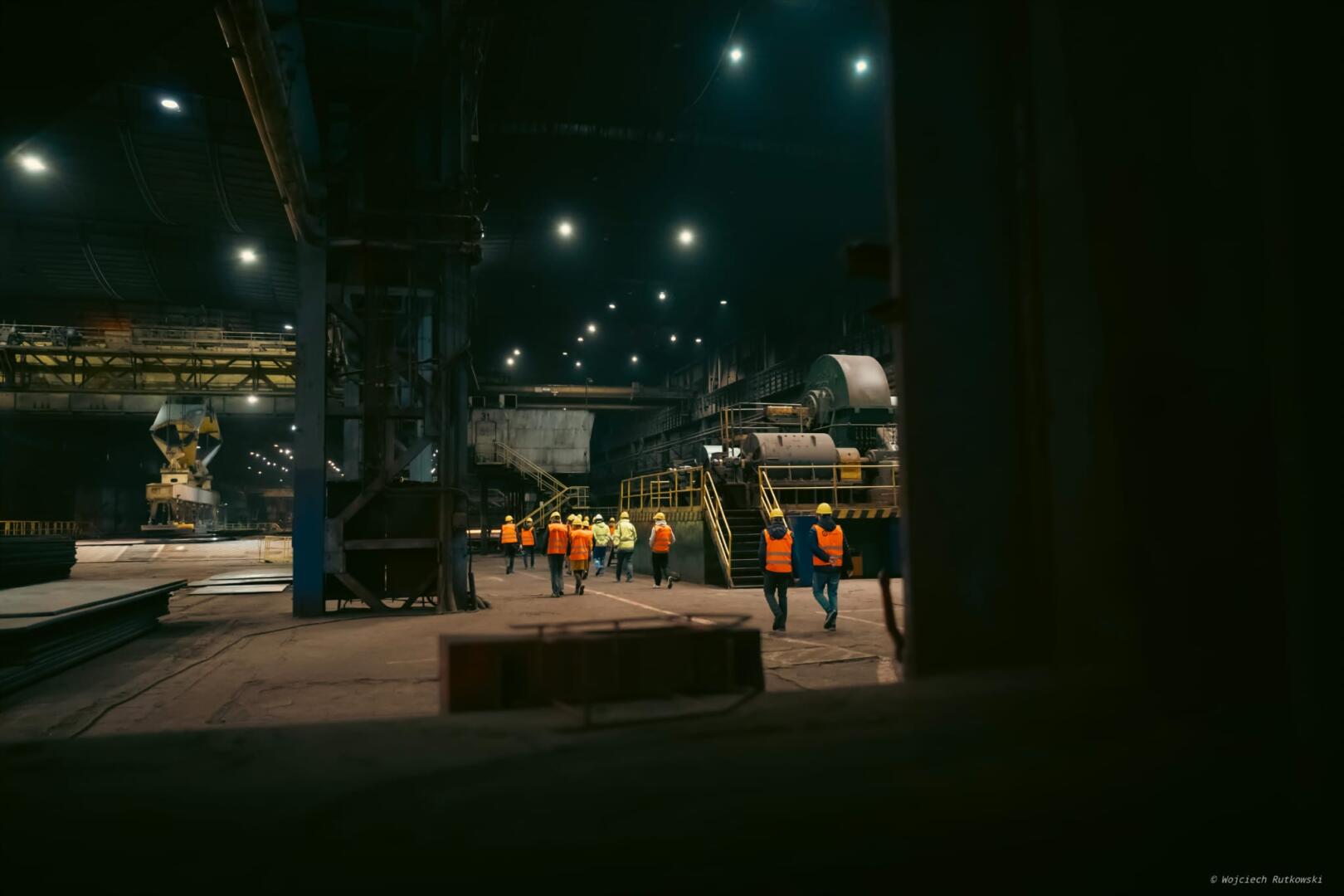
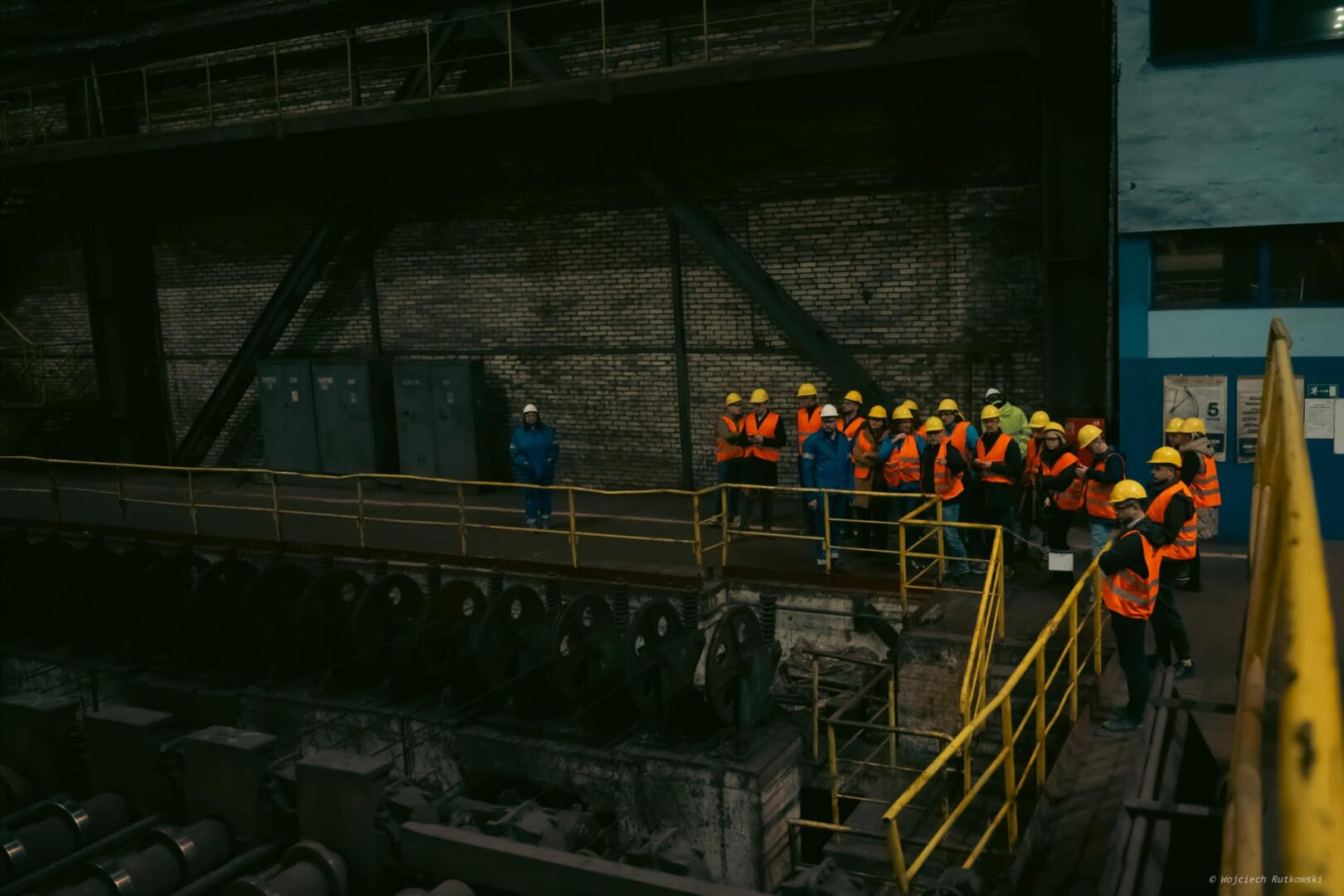
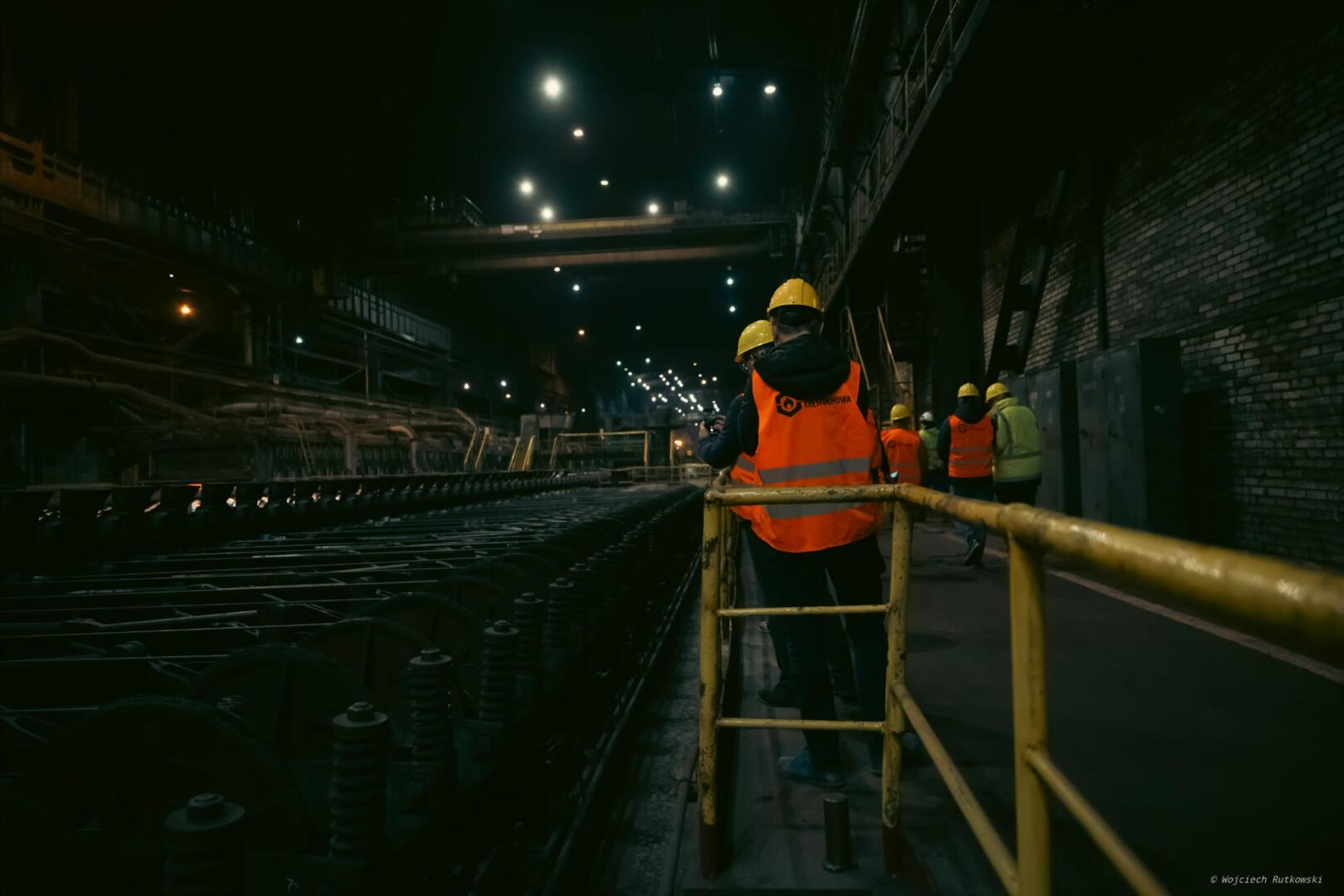
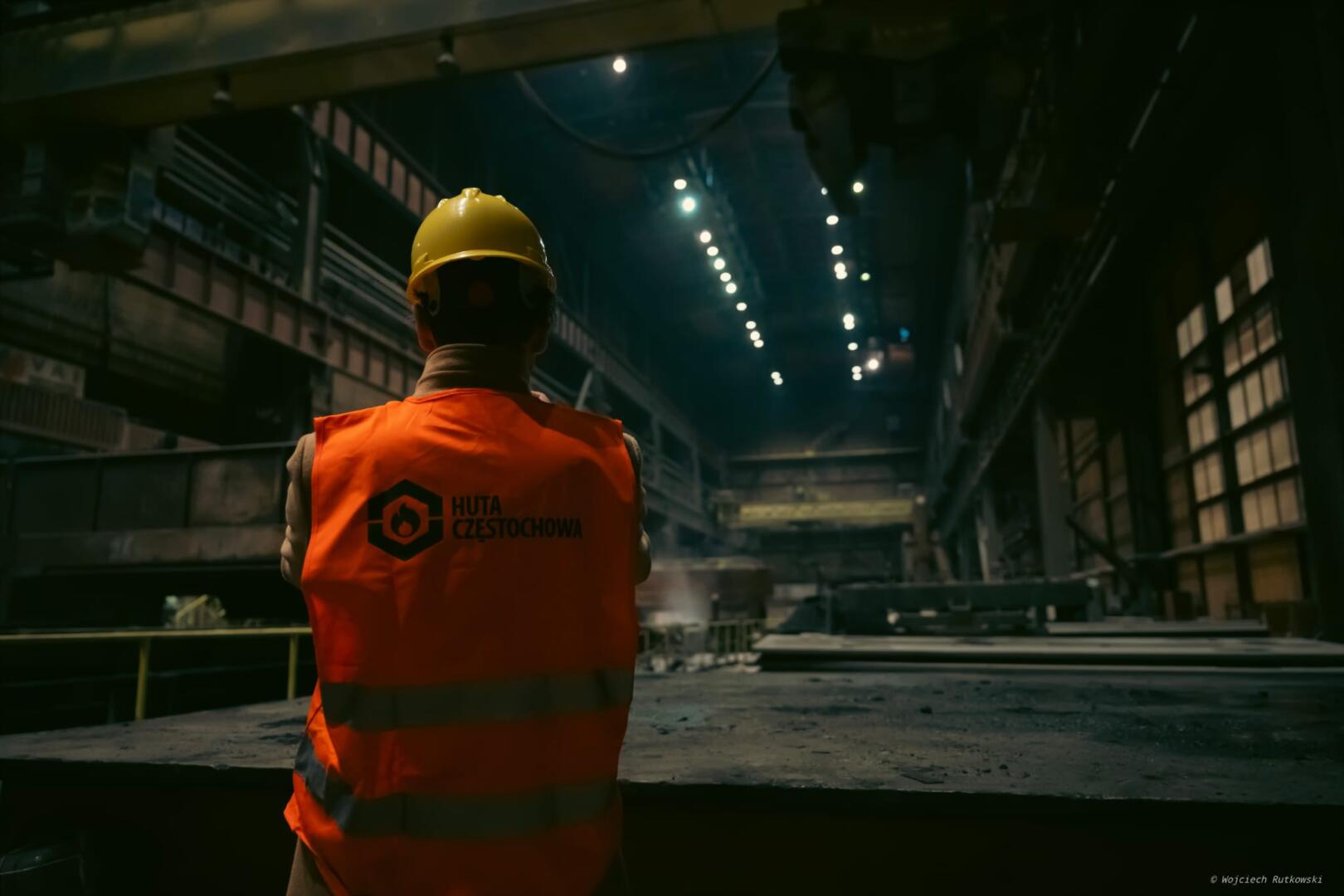
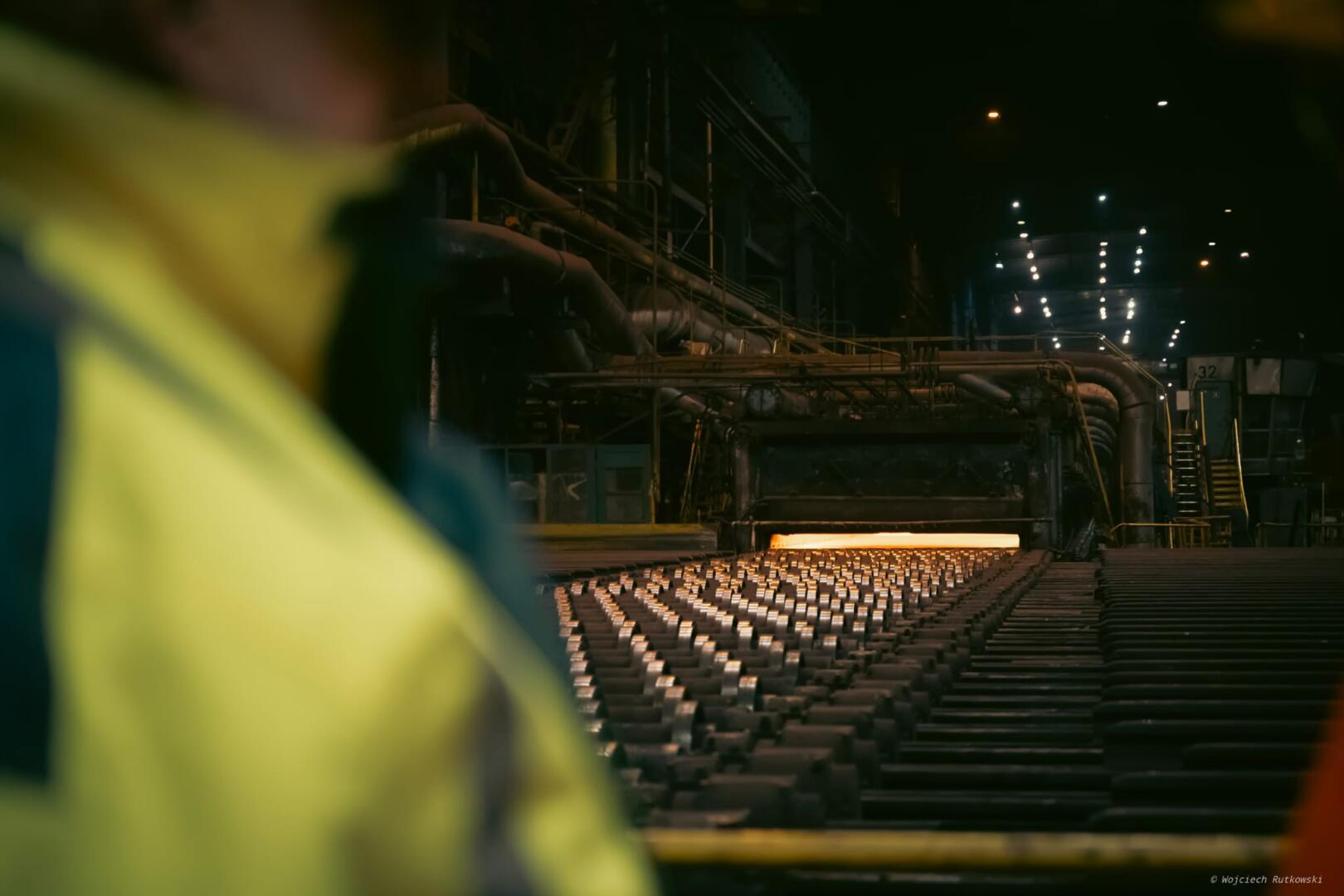
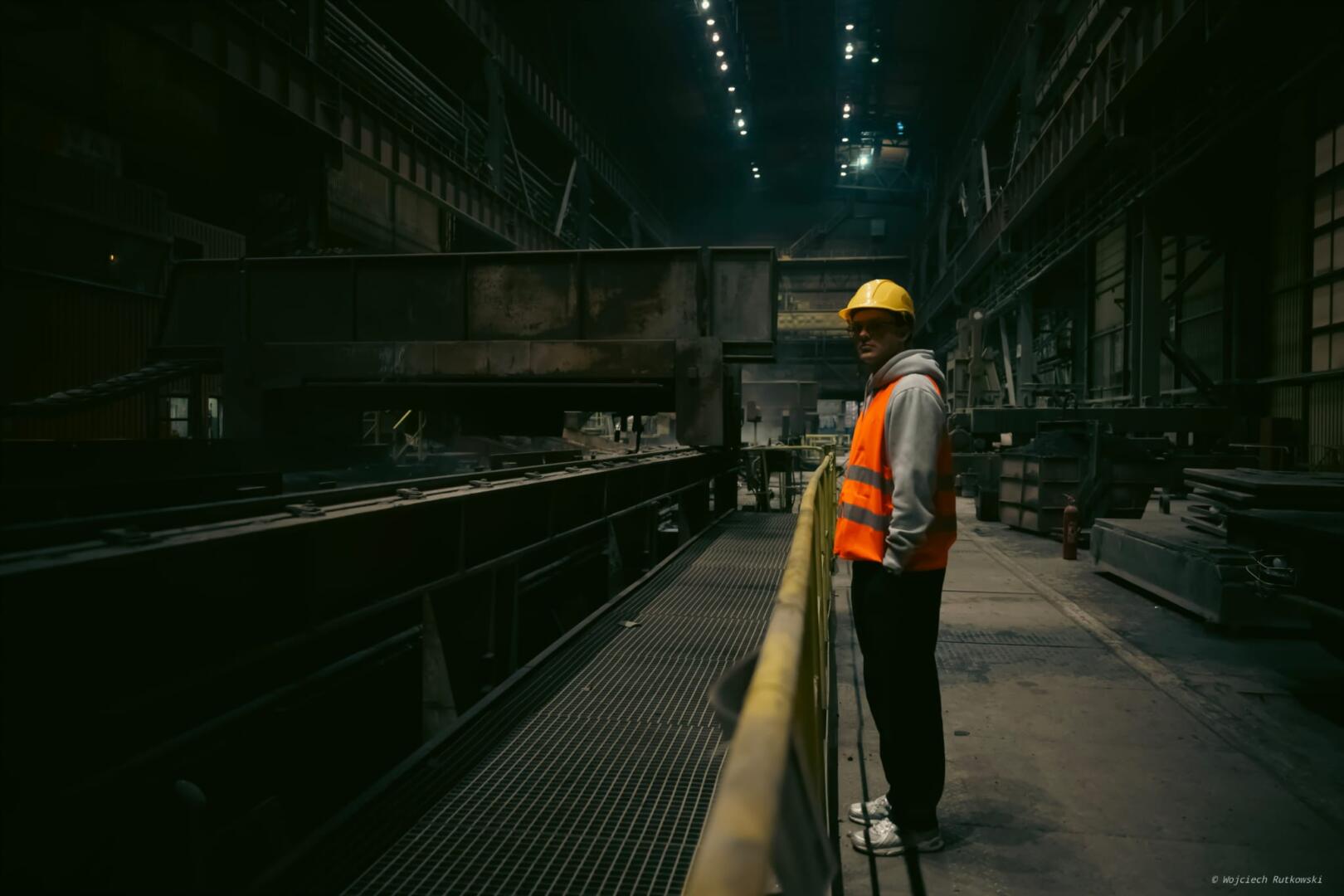
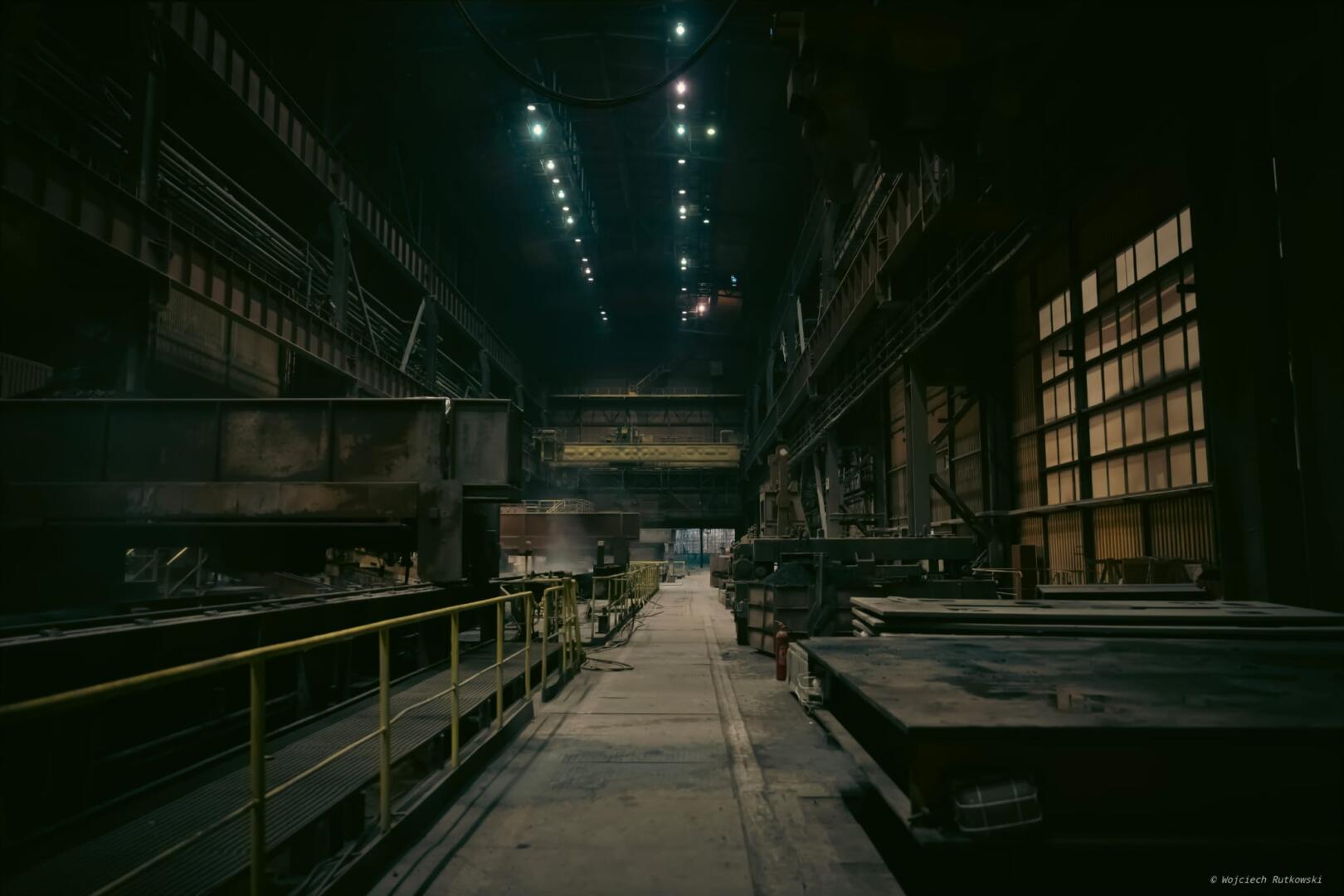
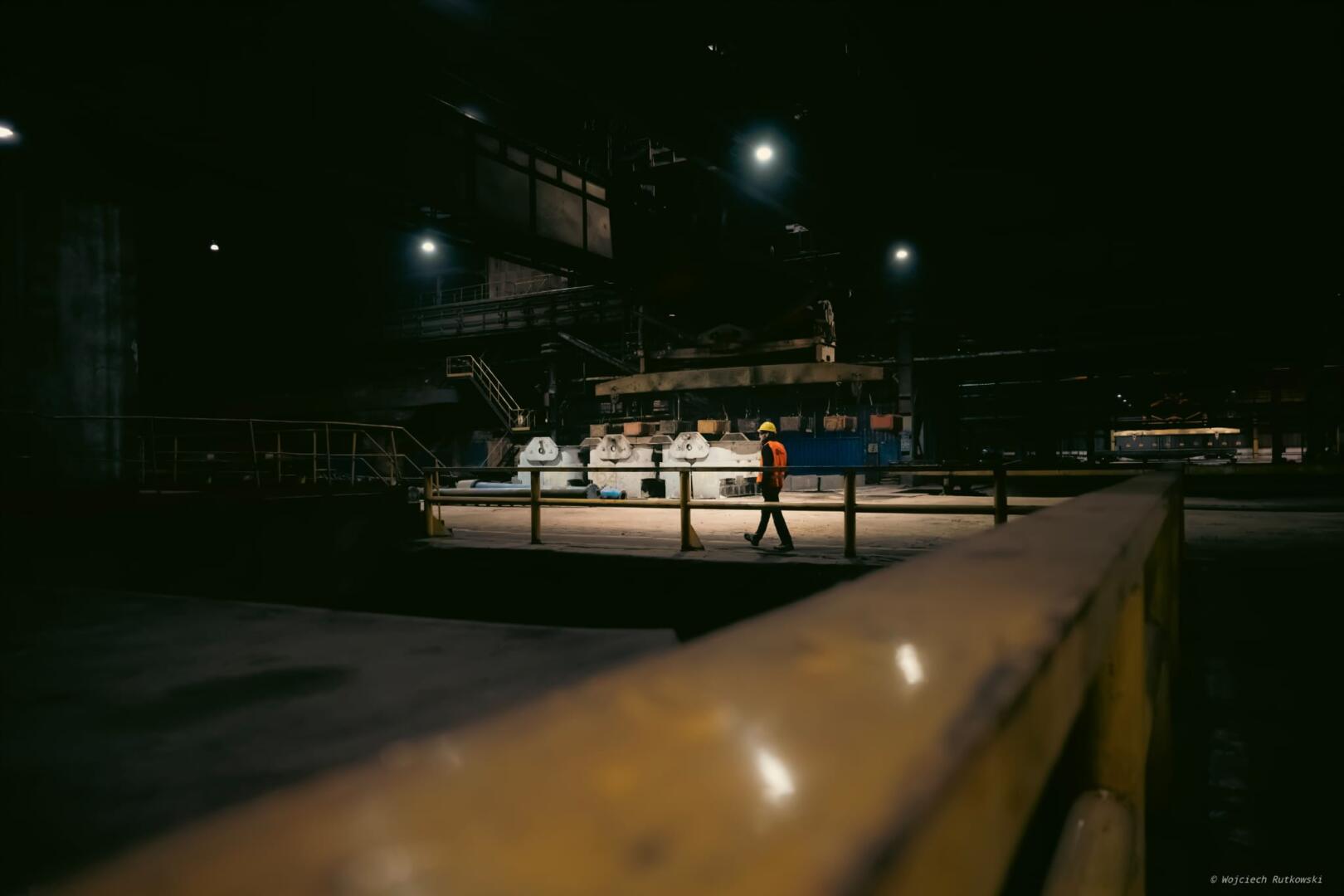
- Huta Częstochowa, where real fireworks (produced by melting scrap) awaited us in the steel plant, while its rolling mill produces over 90% of the heavy plate made in Poland.
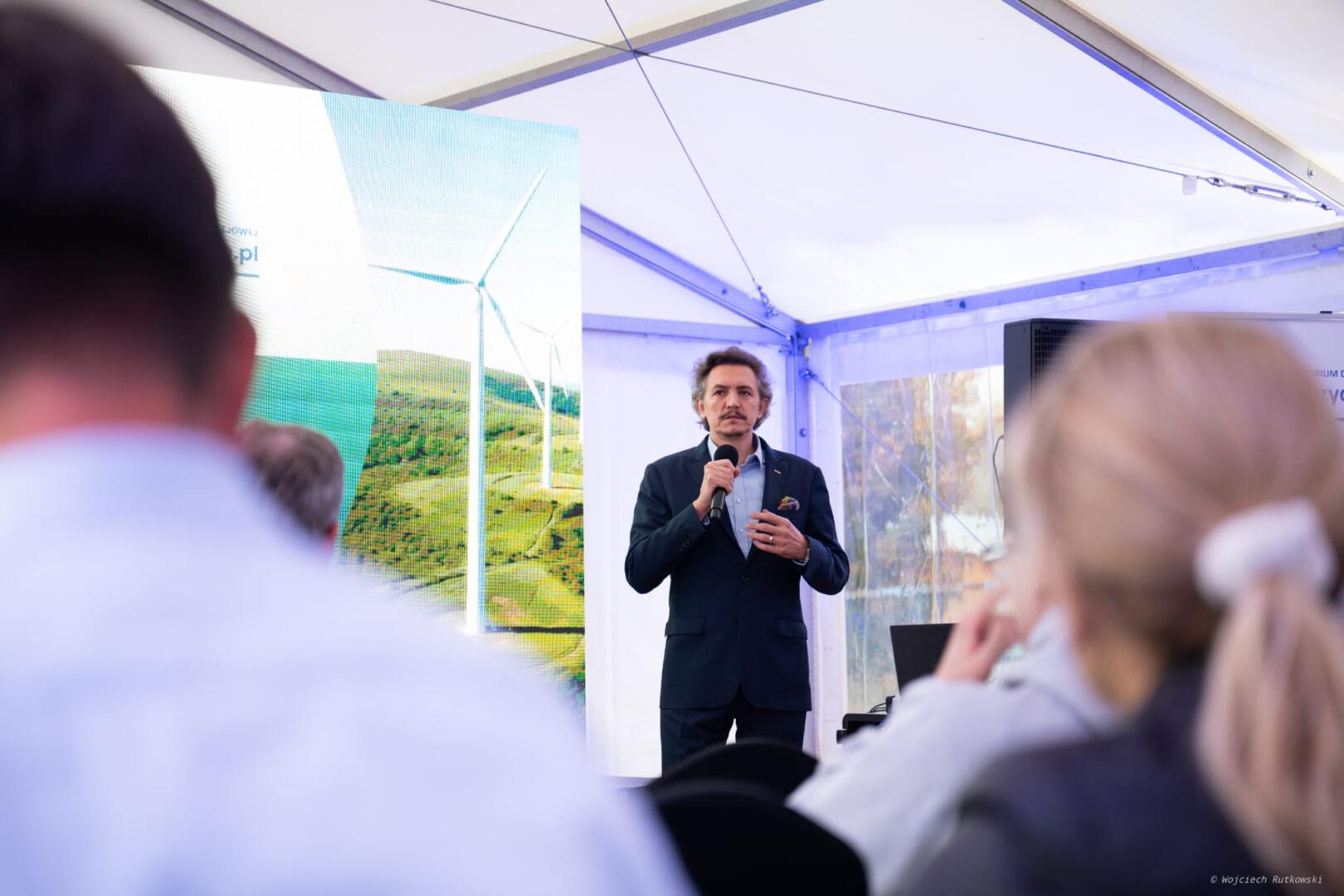
This route is a response to the “Polish Strategy for the Development of the Onshore Wind Farm Industry”. Between 2026 and 2040, the market could be worth PLN 214 billion, of which around PLN 110 billion could go to domestic companies. The share of Polish companies in the value chain could reach 55–60% in the coming years and around 75% in the following decade. In tower manufacturing, it may already be as high as 80%.
The key condition is predictability. If 1.5–2 GW of new onshore capacity is added every year, companies will get a clear signal that it is worth investing in new production lines, workforce and skills.
We thank our Hosts and Partners for their excellent cooperation in organising the visit, for sharing their expertise and for showing our guests the true face of the energy transition in Poland. We also thank the participants for their insightful questions and for the stamina that allowed us to complete such a packed agenda!
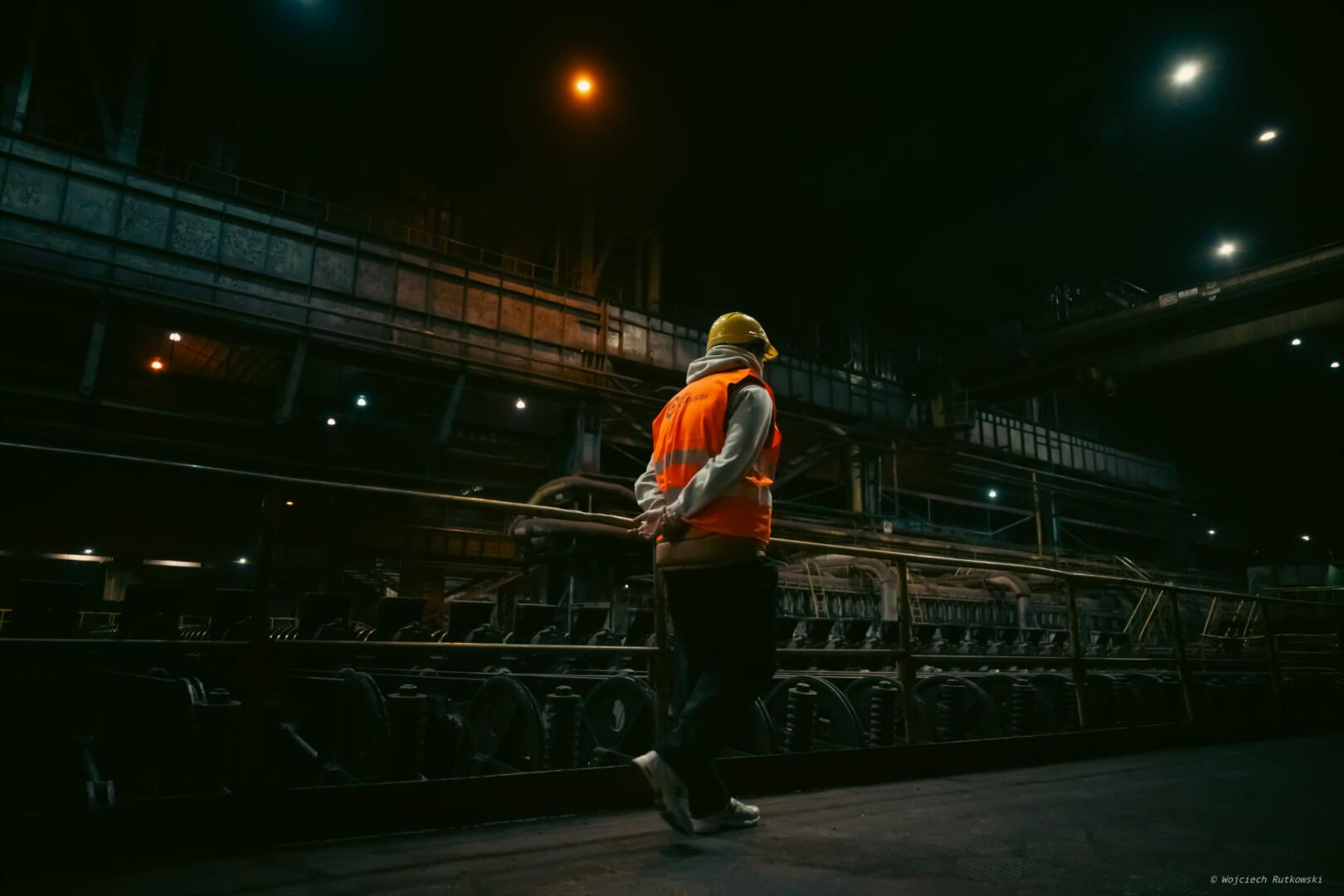
We invite you to view the photo reportage from the trip by Wojciech Rutkowski: