

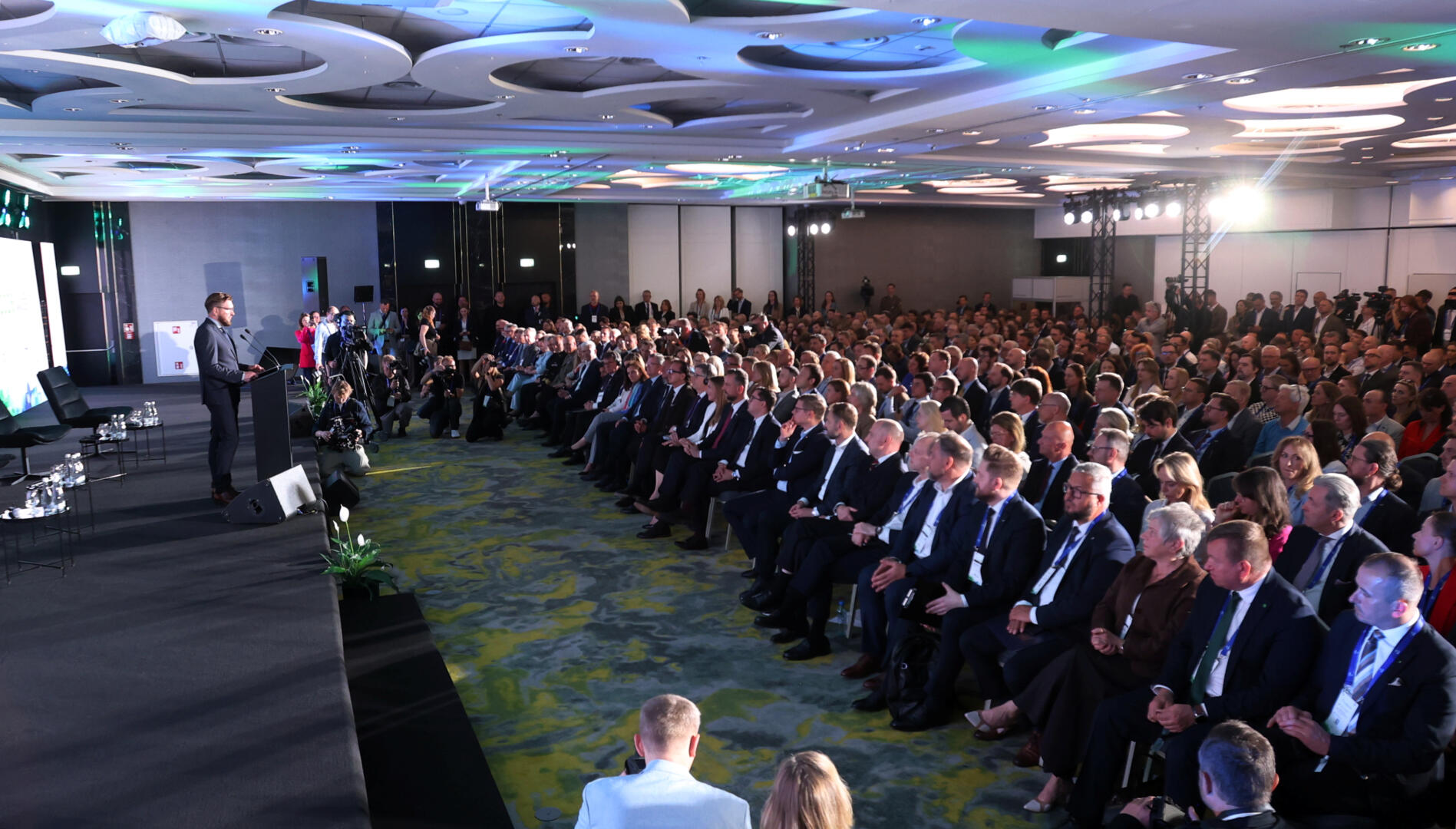
The annual Wind Festival is behind us! Thanks to the PWEA2026 Conference, Świnoujście became the European capital of wind energy for three days! As we do every year, we succeeded in creating a space for groundbreaking dialogue, behind-the-scenes exchanges of ideas, and the establishment of new business contacts and unique networking opportunities. The statements made by the prime minister, ministers, and investors fill us with deep optimism regarding the further development of the sector and the offshore and onshore industries in Poland. Meanwhile, the broad representation of companies involved in the wind energy supply chains shows that domestic firms are already playing a key role in investments, and thanks to the efforts of the WIH and PSEW teams, the potential for local content is steadily growing.
We invite you to read the report on industry and local content events!
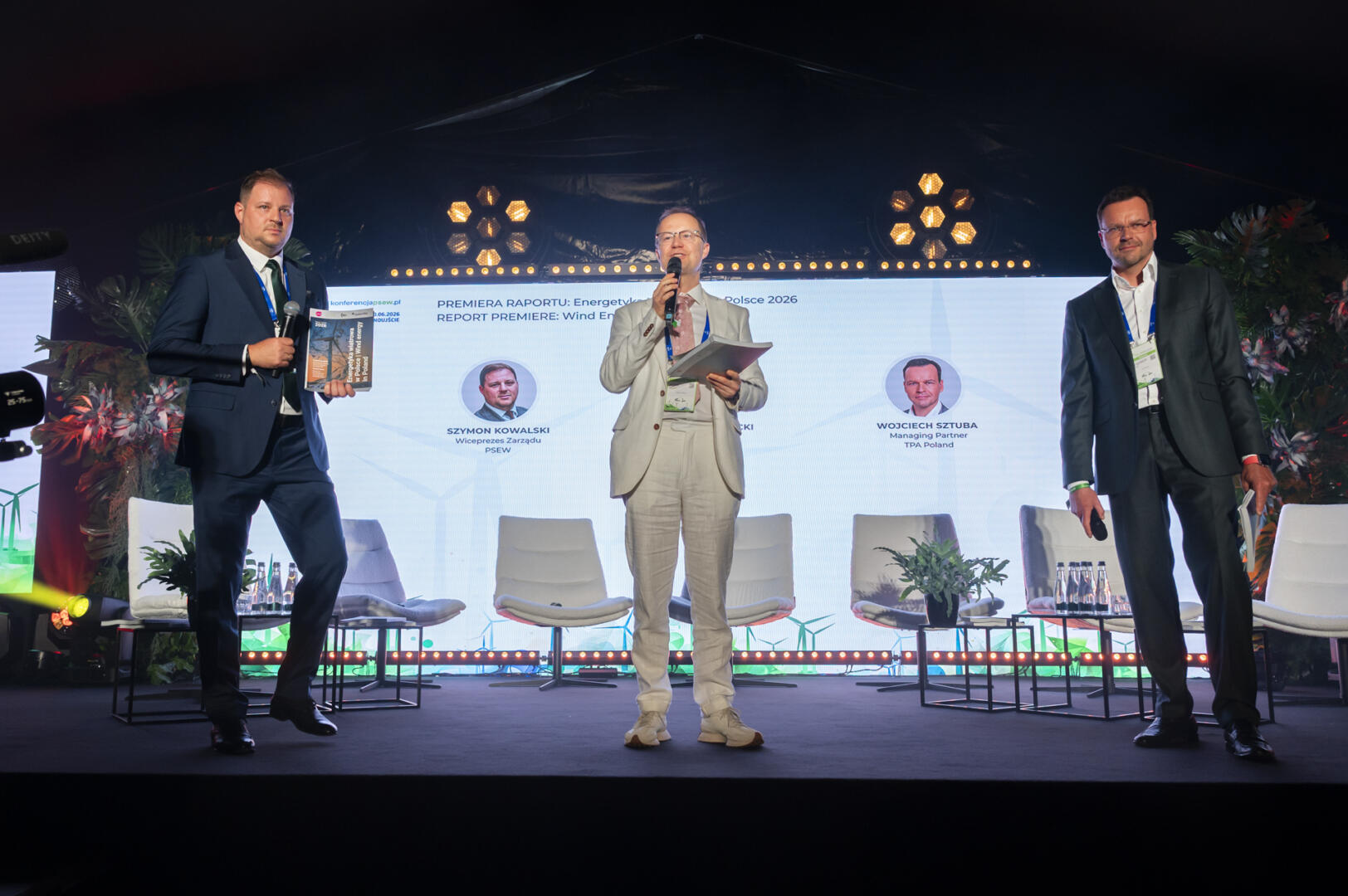
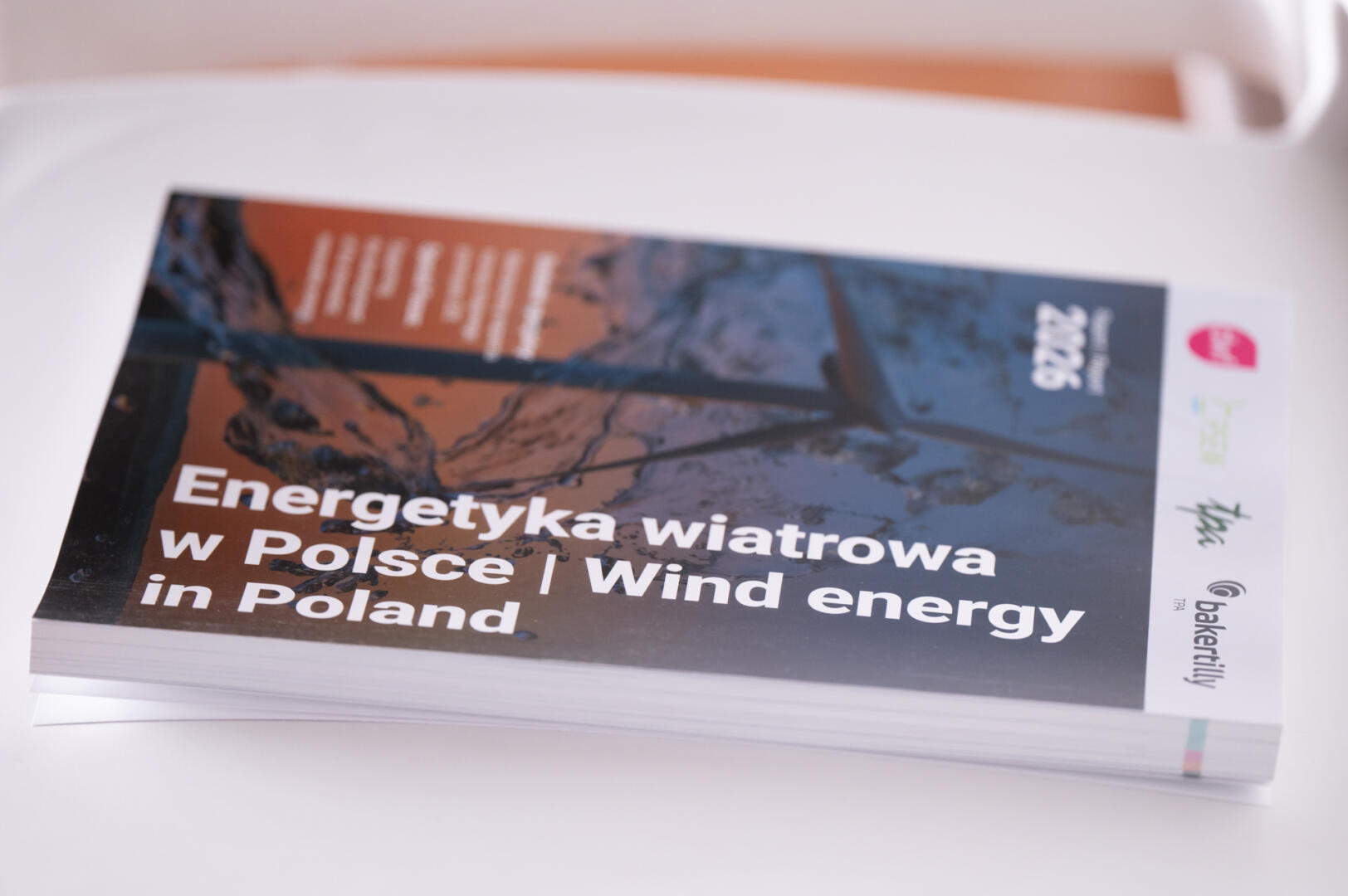
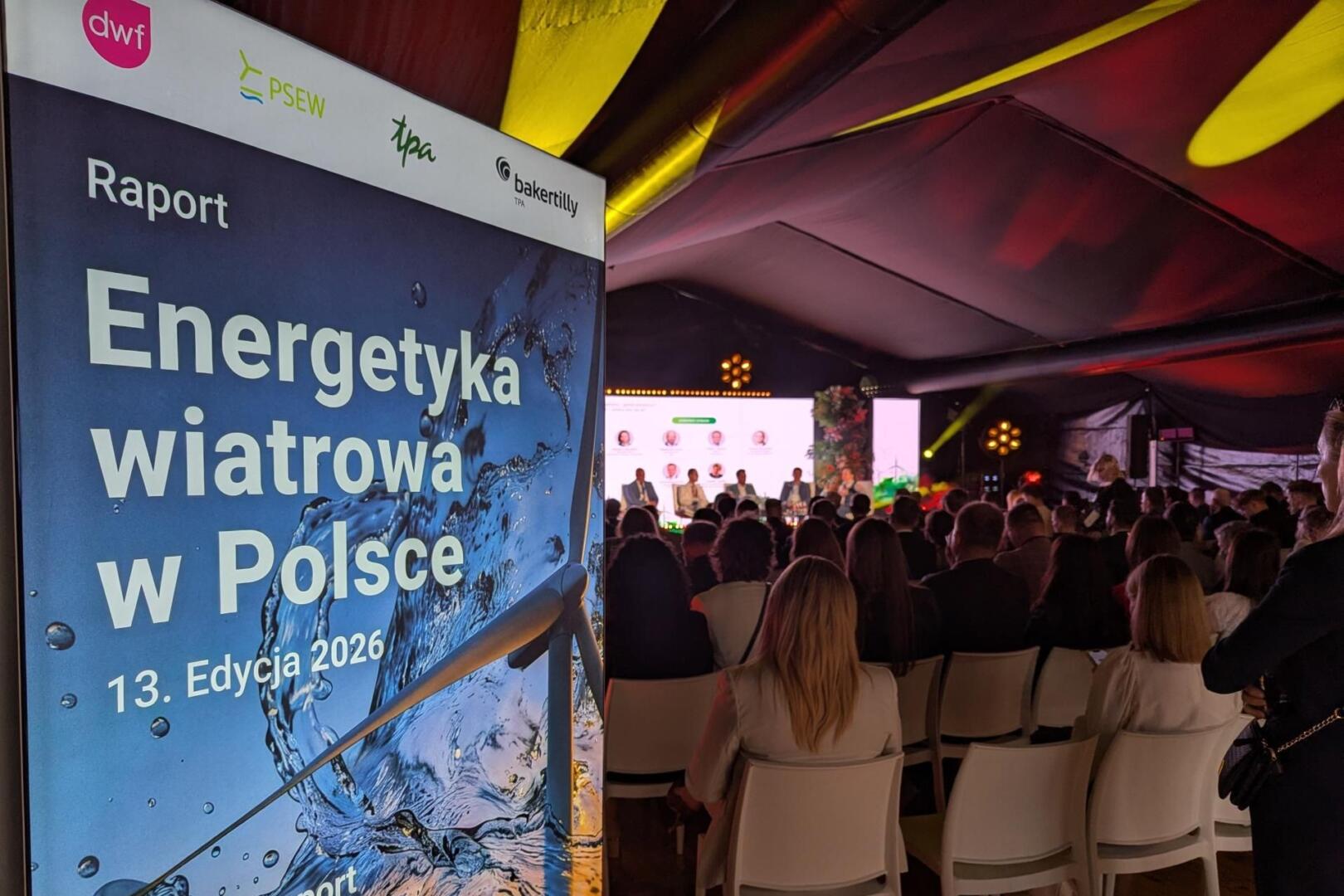
On the first day of the Conference, the report Wind Energy in Poland 2026 was released. This is a periodic publication that has long been recognized as the most comprehensive and highly valued compendium of knowledge and up-to-date information regarding the current state of the industry, development prospects, and trends observed in the field of wind energy in Poland. This year, we have prepared a special supplement just for you titled “Mechanisms to Support the Development of the Domestic Renewable Energy Industry.” We extend our warmest congratulations to the team from the Polish Wind Energy Association and the Wind Industry Hub Foundation involved in the preparation of the report: Janusz Gajowiecki, Piotr Czopek, Oliwia Mróz-Malik PhD, Dominika Taranko, Michał Forycki, Martyna Koniec, Weronika Kupczyk. The publication is available here.
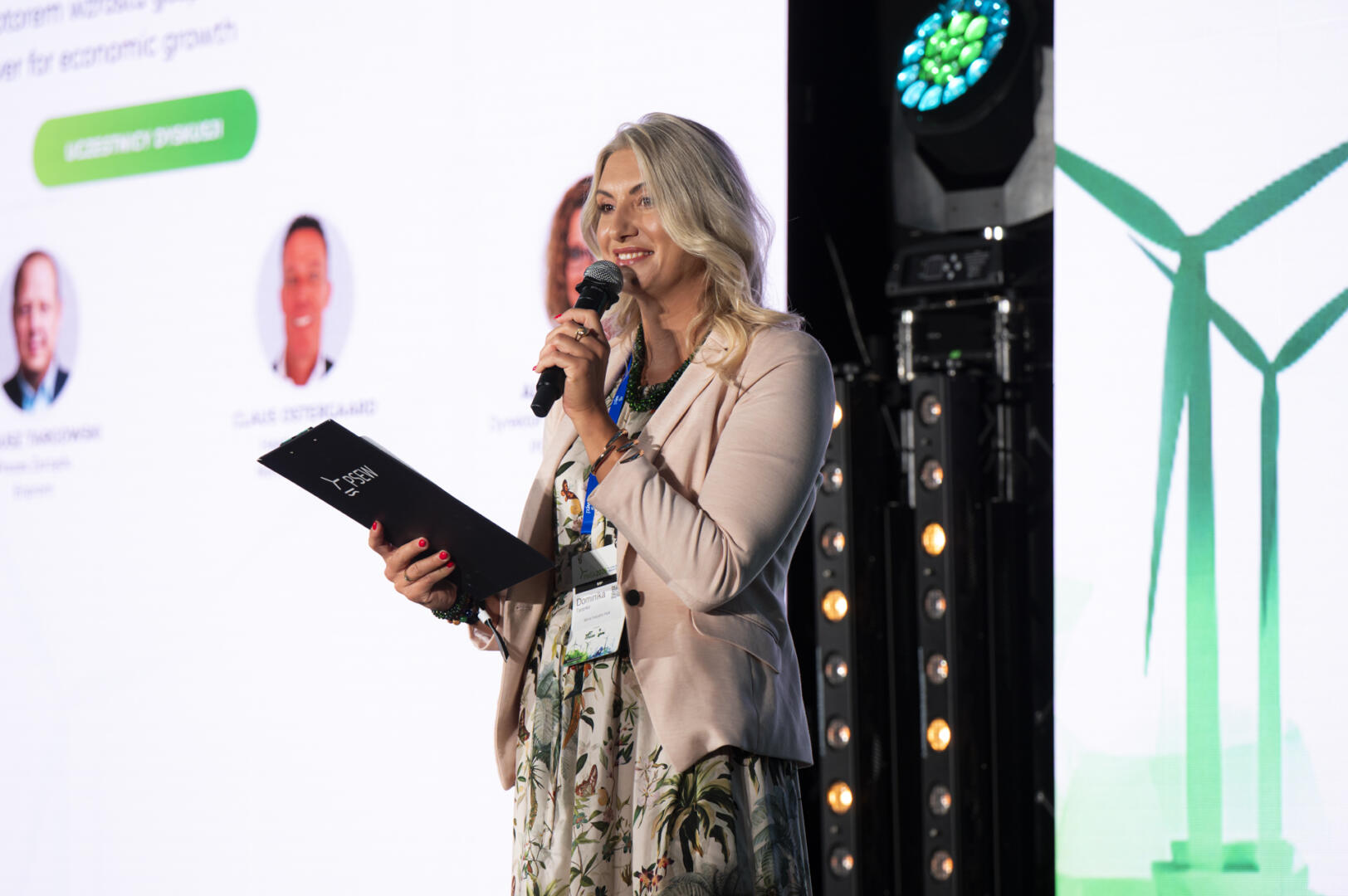
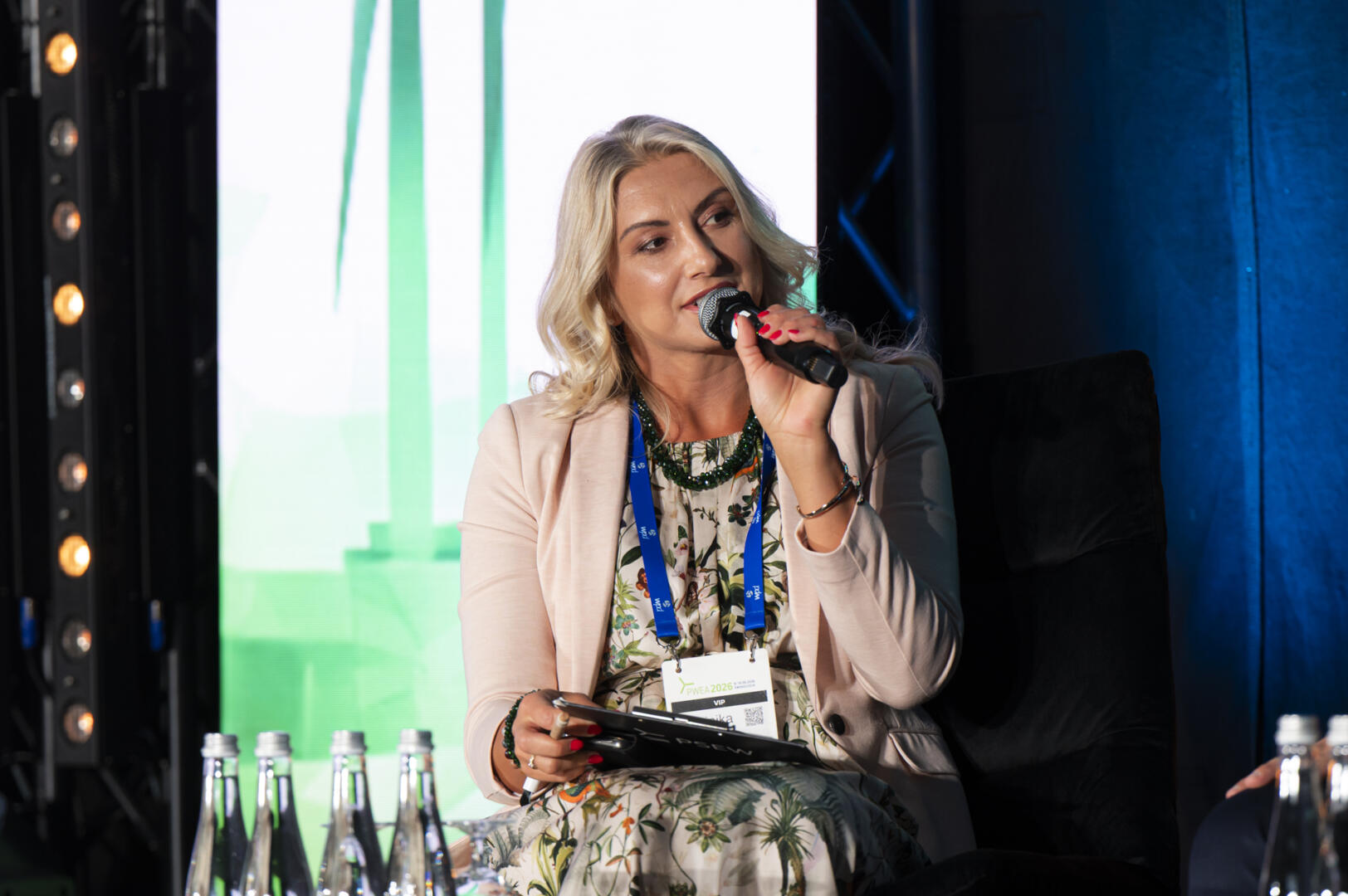
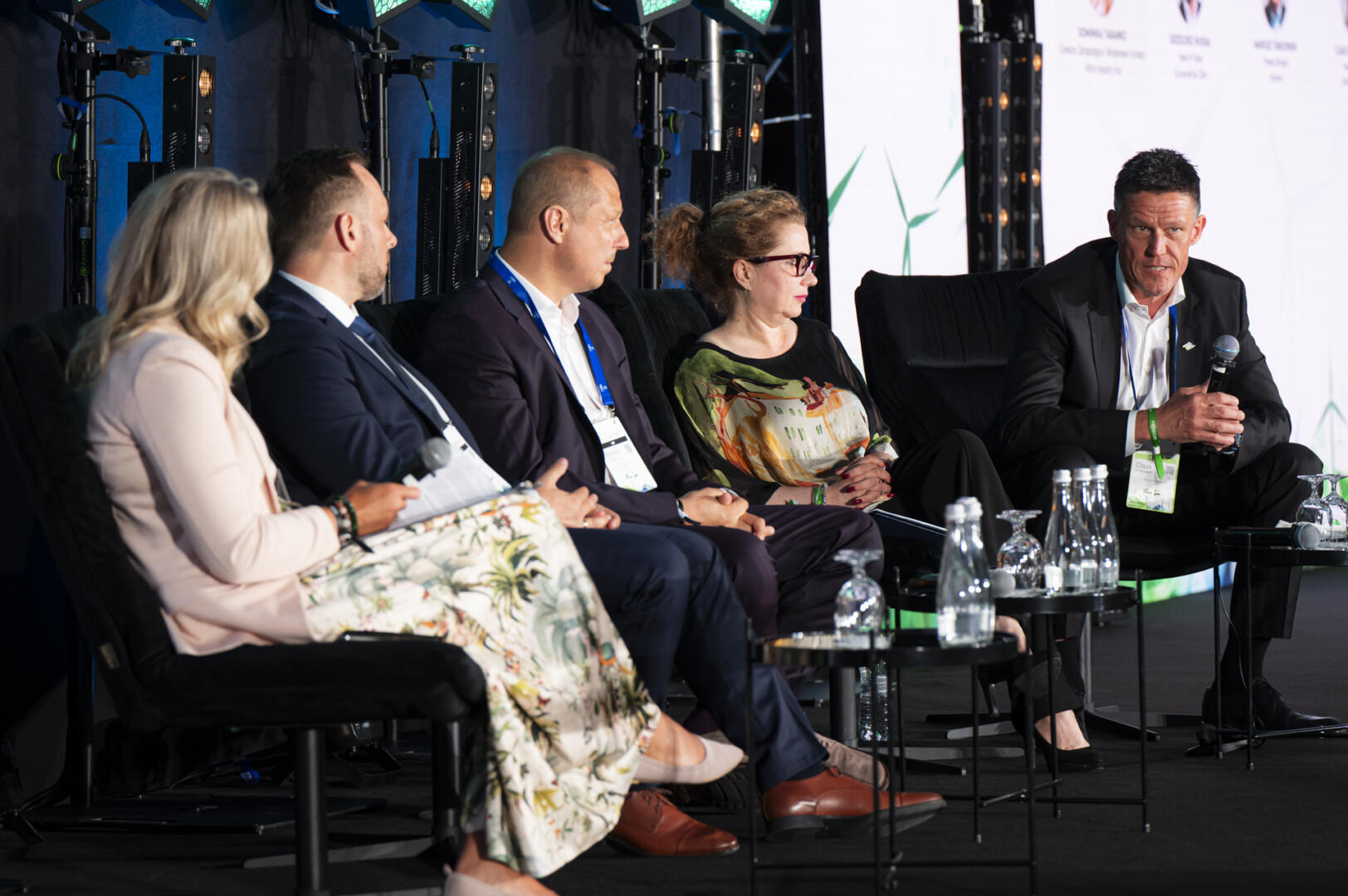
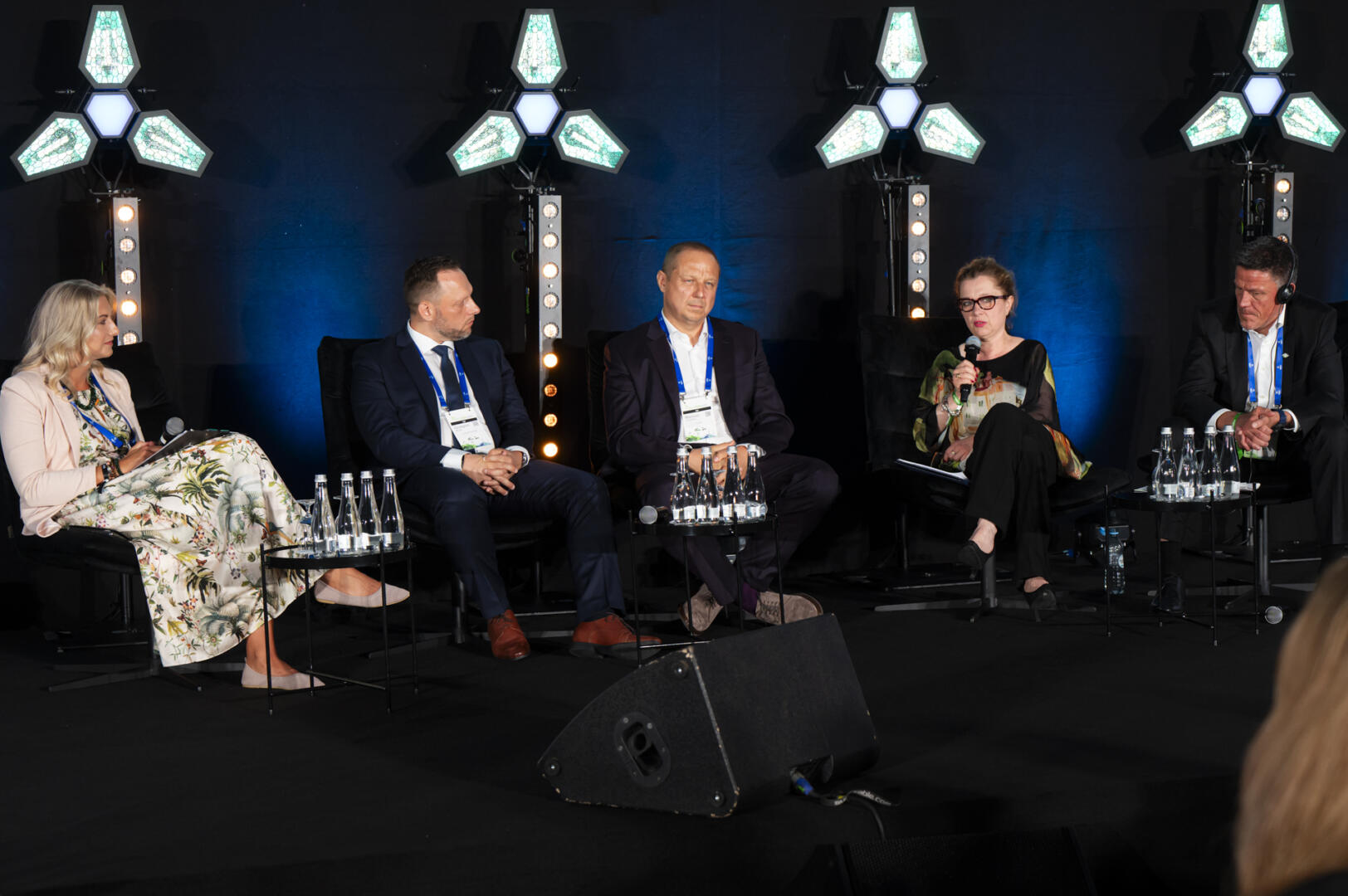
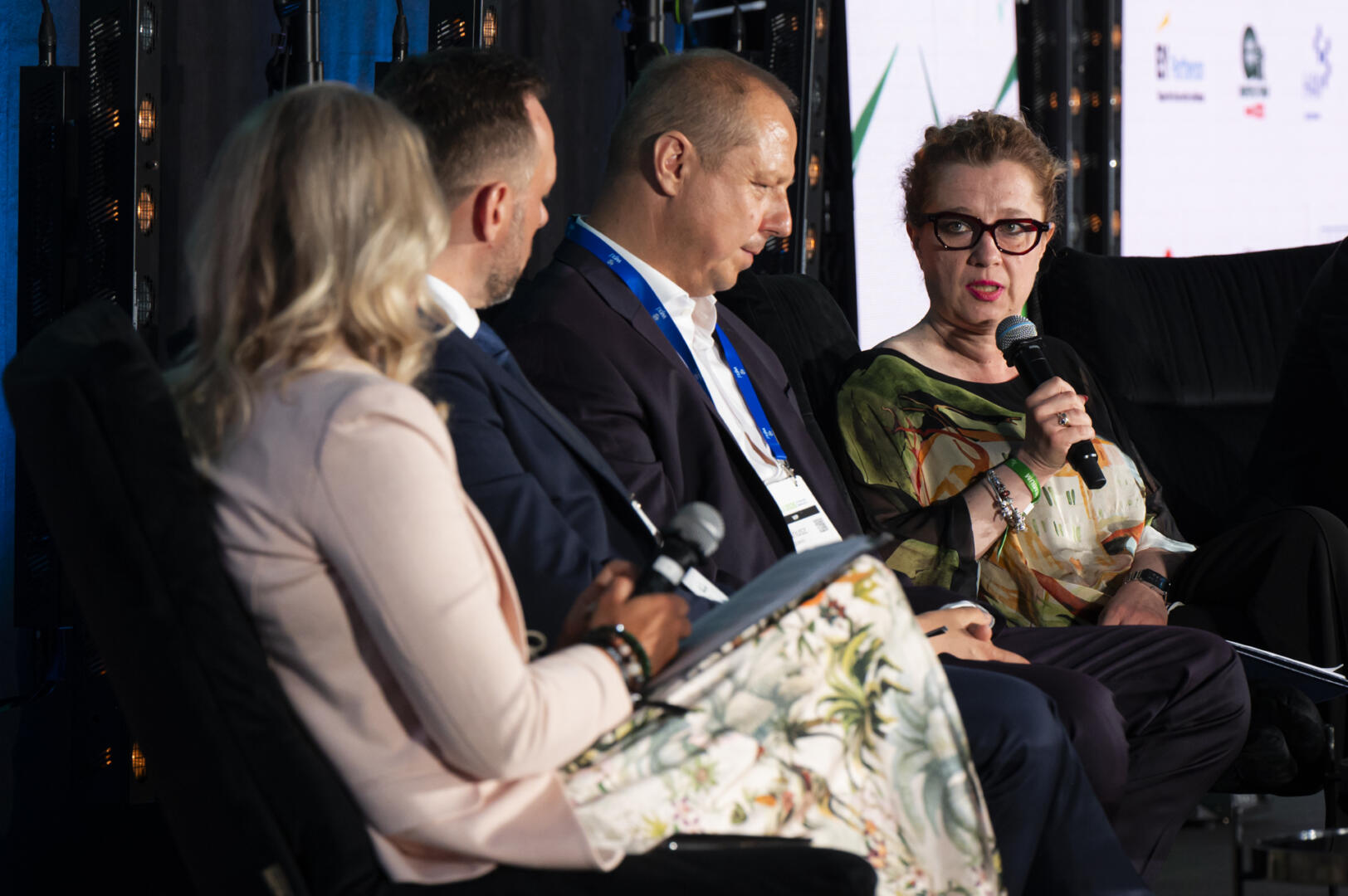
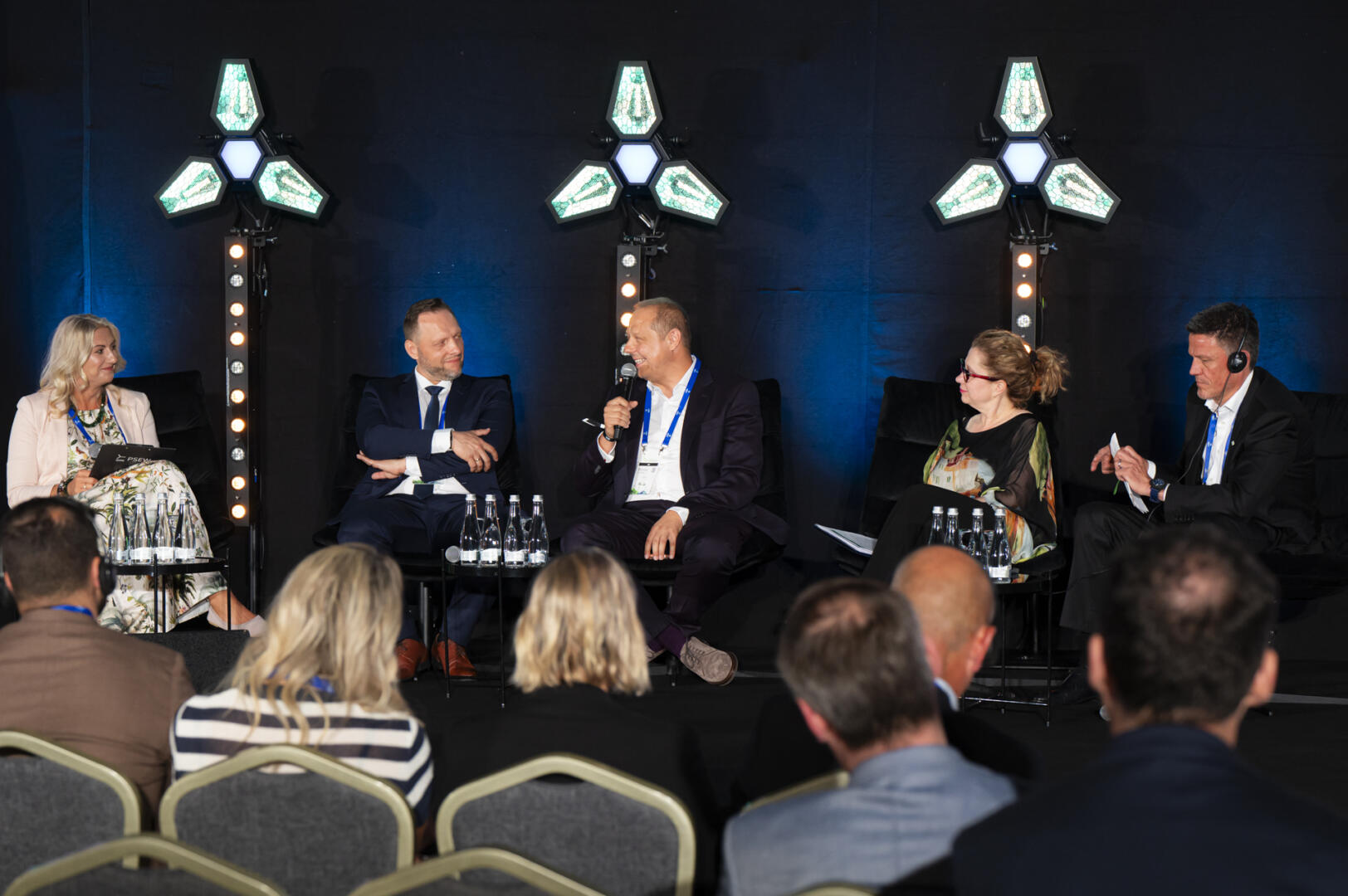
The second day of the conference began with a session titled Local Content as a Driver of Economic Growth, moderated by Dominika Taranko, Vice President and Managing Director of the Foundation. The session focused on transforming the energy transition into a sustainable boost for Poland’s heavy and technology industries. The panelists discussed the challenges associated with scaling up the production of components (towers, foundations, substations) and the role of general contractors in promoting domestic subcontractors. A key point of the debate was an analysis of how investments in “local content” build Poland’s competitive advantage in foreign markets and safeguard supply chains against global turbulence. Participants in the discussion included:
- Grzegorz Musiał, Head of Sales, ConverterTec OEM
- Claus Ostergaard, Head of Europe, Northland Power
- Mariusz Targowski, CEO, Enprom
- Alicja Wąsowicz, Director, PGE Baltica
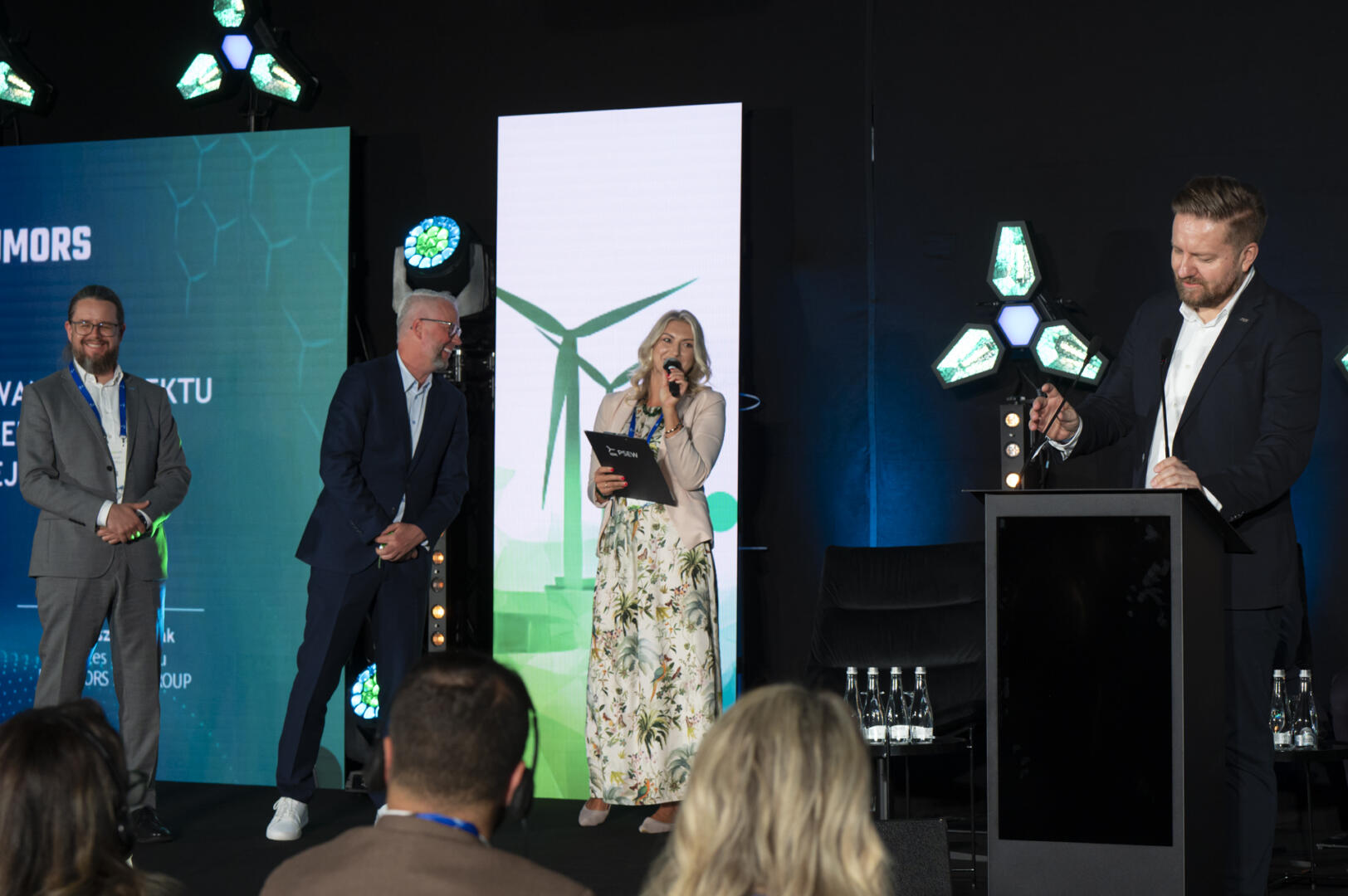
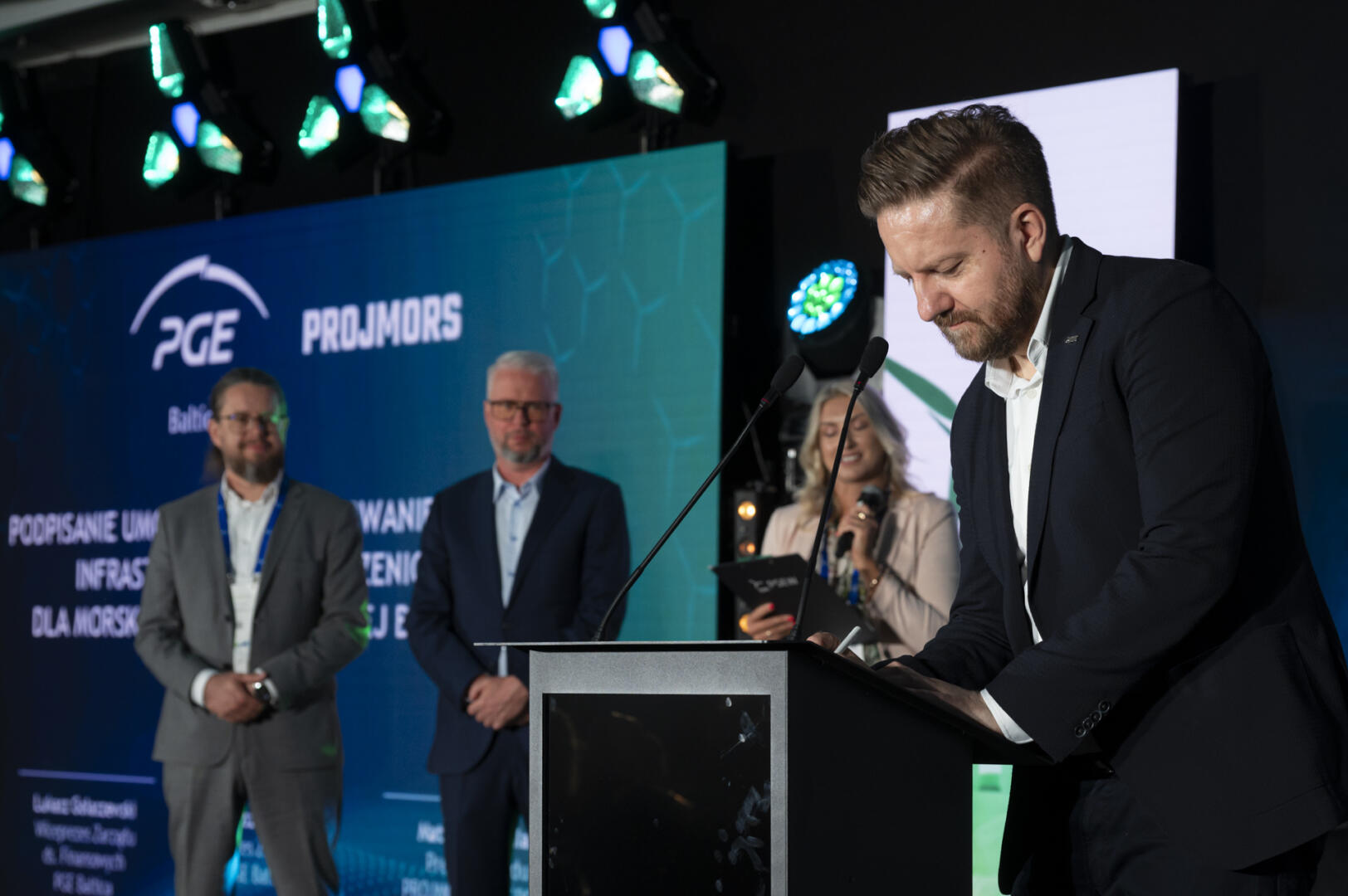
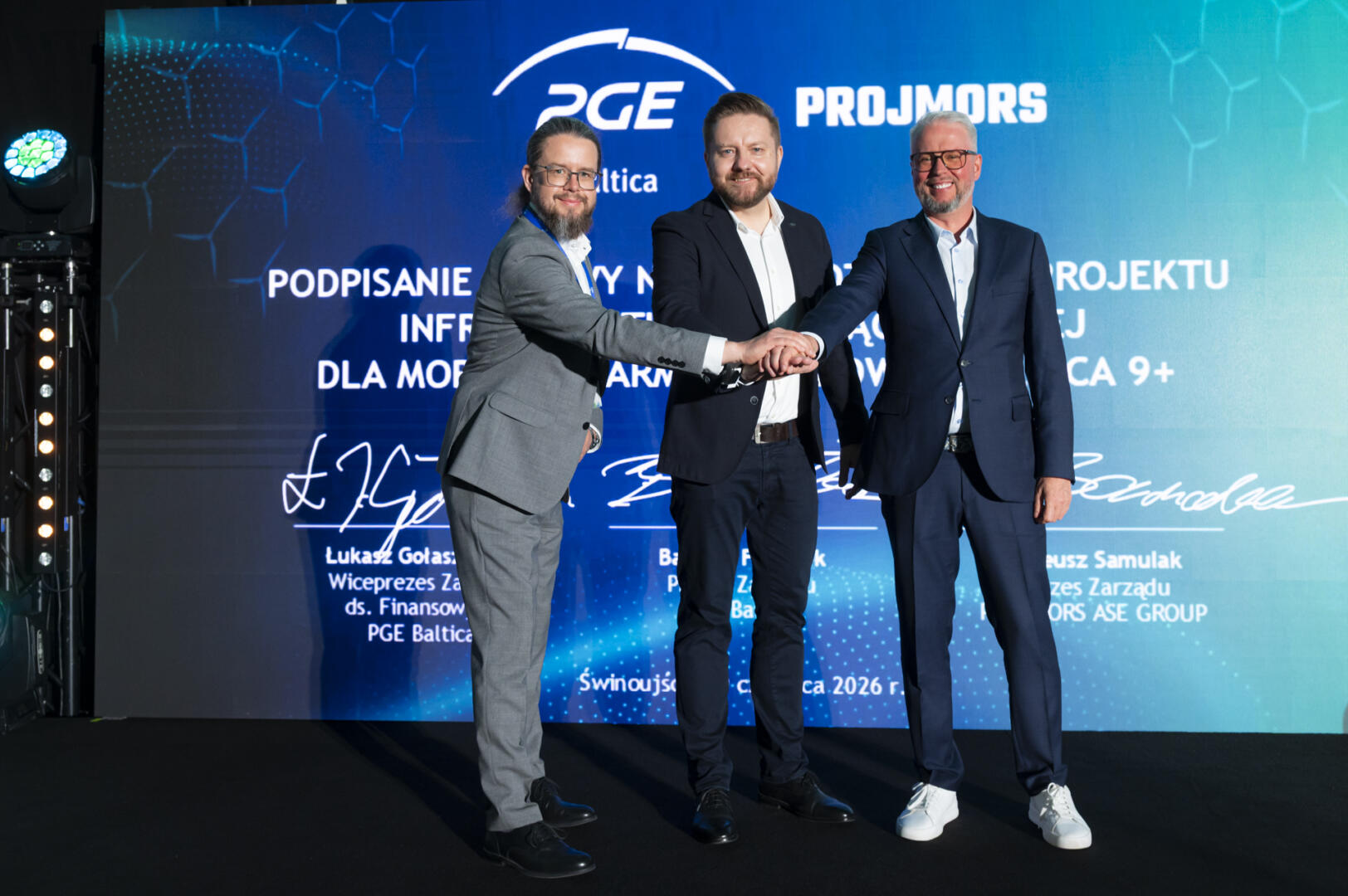
At the end of the session, a ceremony was held to sign an agreement between PGE Baltica and a consortium of companies consisting of Projmors ASE Group, ABL Group Polska (OWC), and Energoprojekt-Katowice for the preparation of a connection infrastructure design for the Baltica 9+ offshore wind farm project. The agreement covers, among other things, the development of a technical concept for the connection infrastructure, the selection of technologies, the definition of key parameters, the preparation of design, logistical, and implementation assumptions, as well as the project schedule and budget.
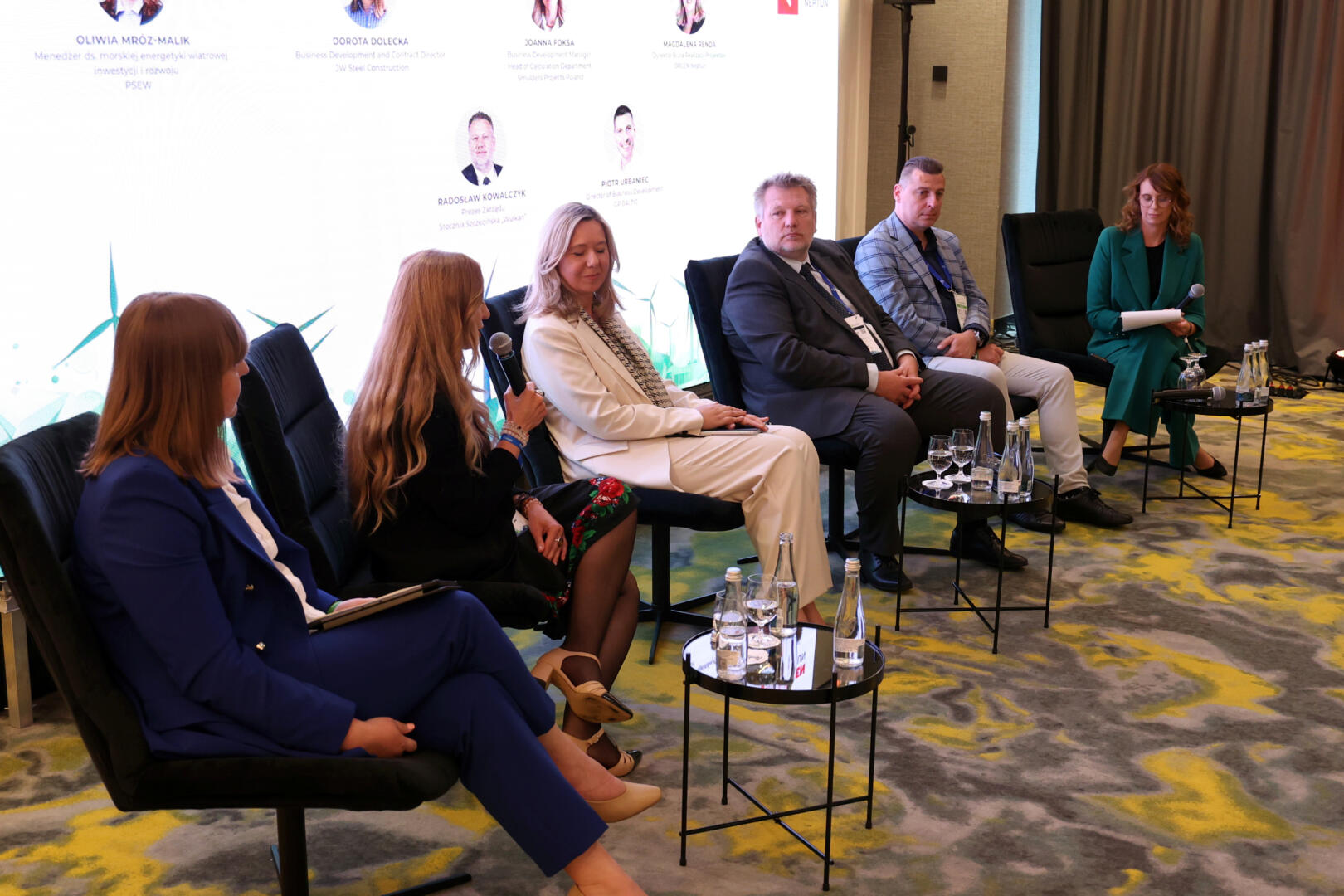
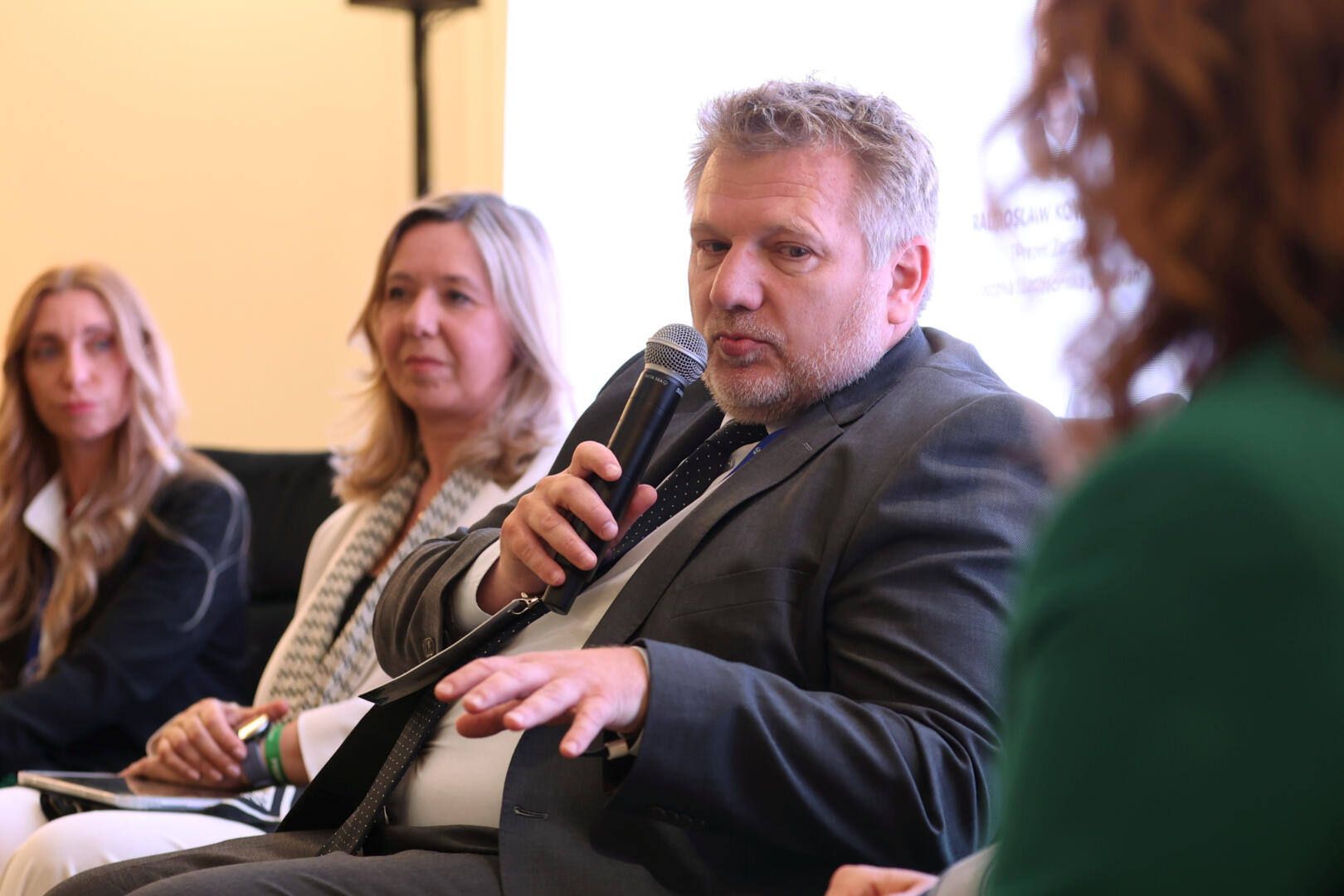
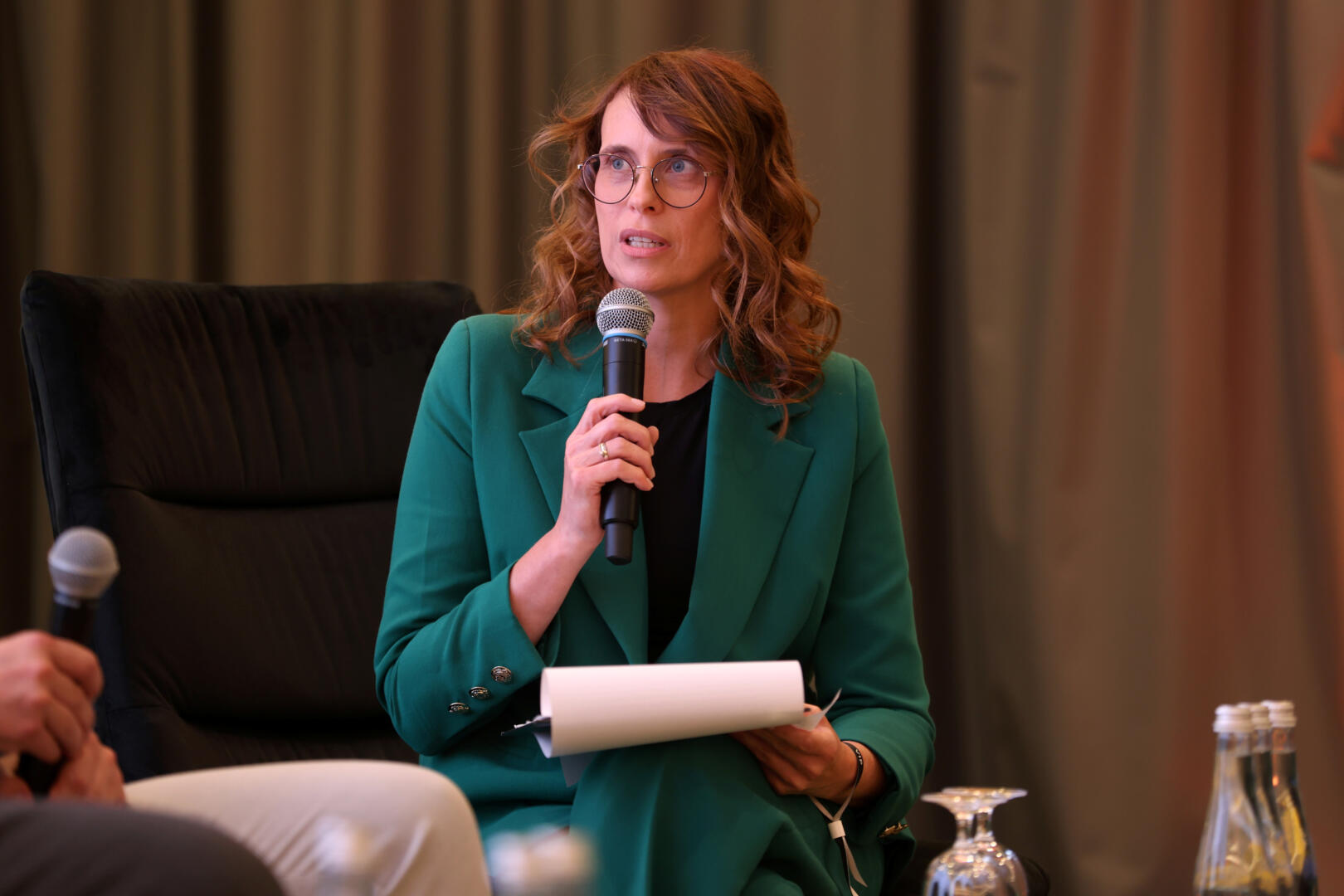
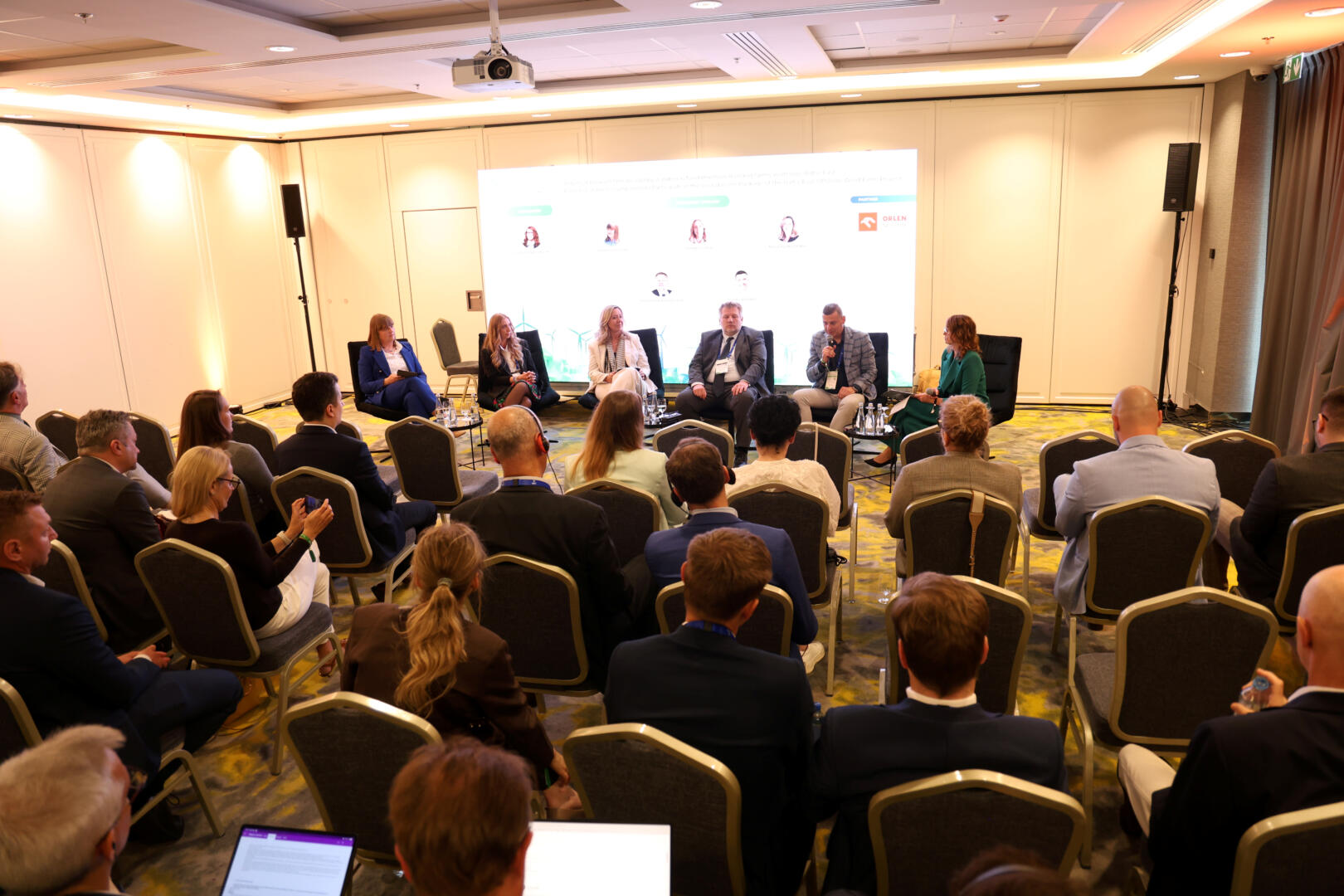
Shortly thereafter, another interesting panel discussion began: The Potential of Polish Companies to Participate in the Baltic East Offshore Wind Farm Foundation Package. During the meeting, key information regarding the Baltic East project was presented, including the schedule and technical concepts related to the foundation package. Preliminary plans for another offshore wind farm project being developed by ORLEN Neptun – Baltic West – were also presented. The discussion covered best practices and examples of Polish companies operating in the market, their potential and directions for growth, as well as models for cooperation with experienced international partners. The panel served as a platform for an open discussion on ways to effectively enhance the capabilities of Polish companies at the Tier 1–3 levels and increase their participation in offshore wind energy projects, while maintaining high standards of quality, timeliness, and health and safety, as well as seeking optimal solutions for project implementation.
The discussion was moderated by Oliwia Mróz-Malik, Vice President of Wind Industry Hub, and the other panelists were:
- Dorota Dolecka, Business Development and Contract Director, JW Steel Construction
- Joanna Foksa, Business Development Manager and Head of the Calculation Department, Smulders Projects Poland
- Radosław Kowalczyk, President of the Management Board, Szczecin Shipyard “Wulkan”
- Magdalena Reńda, Director of the Project Implementation Office, ORLEN Neptun
- Piotr Urbaniec, Director of Business Development, Baltic Industrial Group
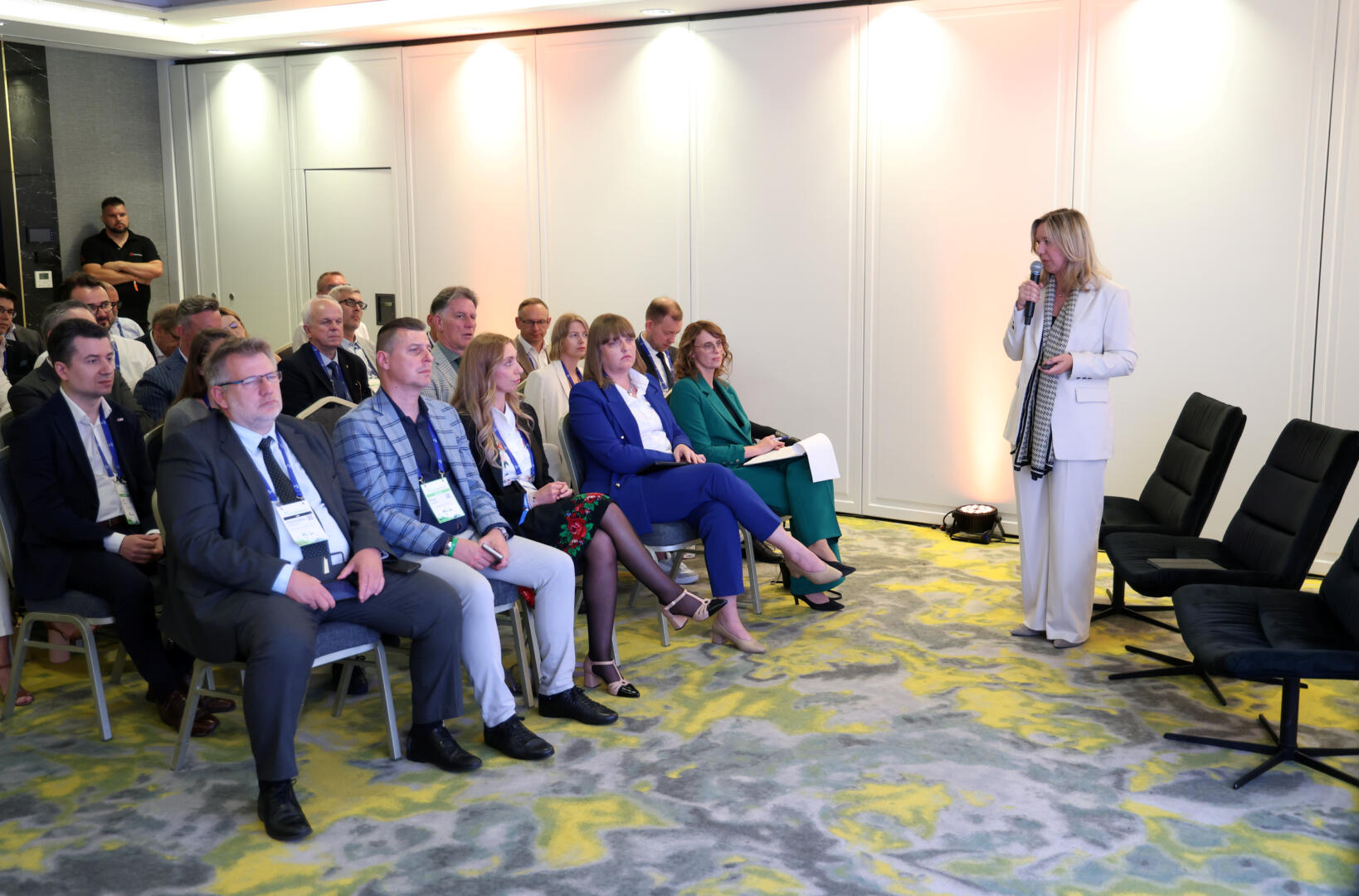
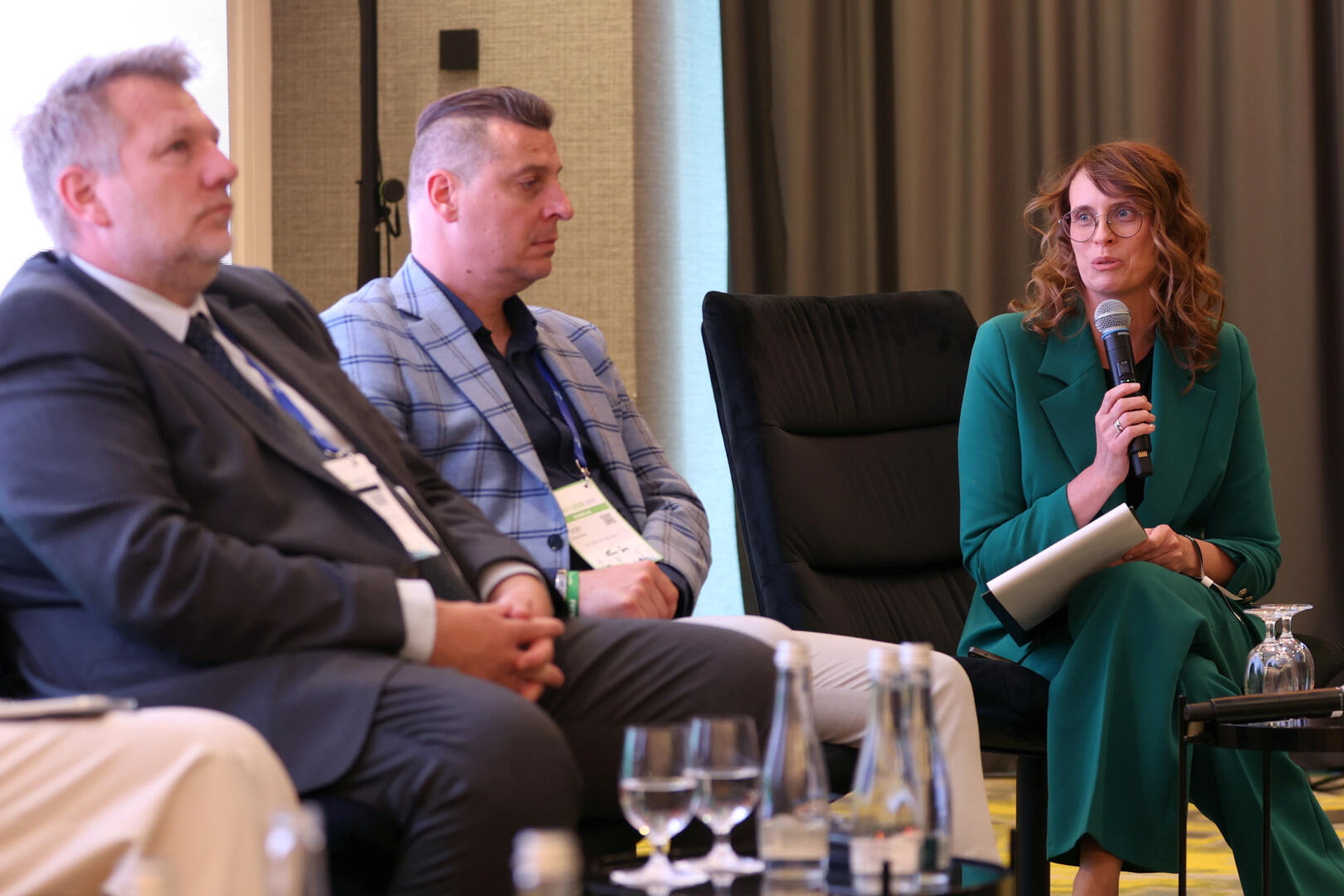
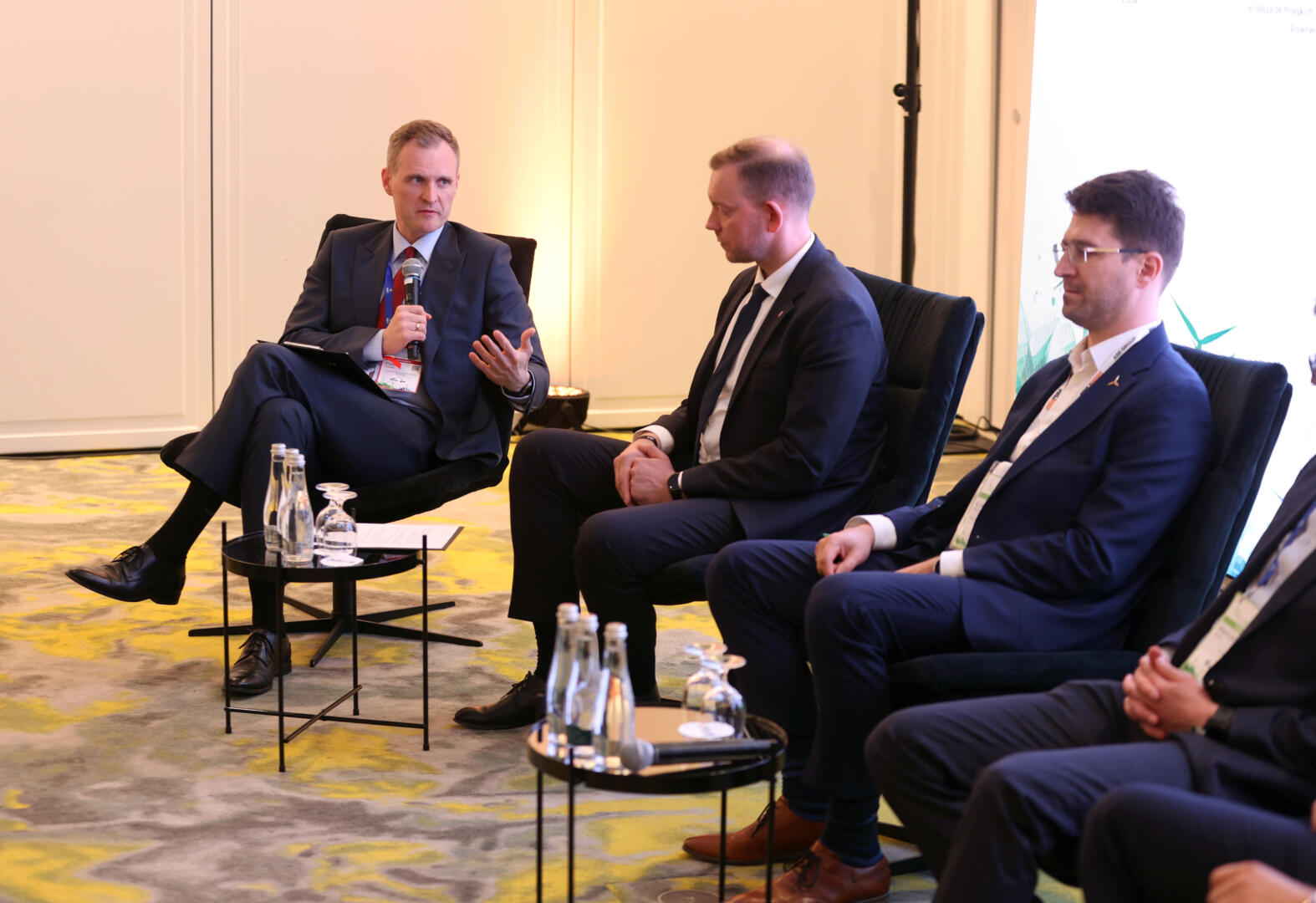
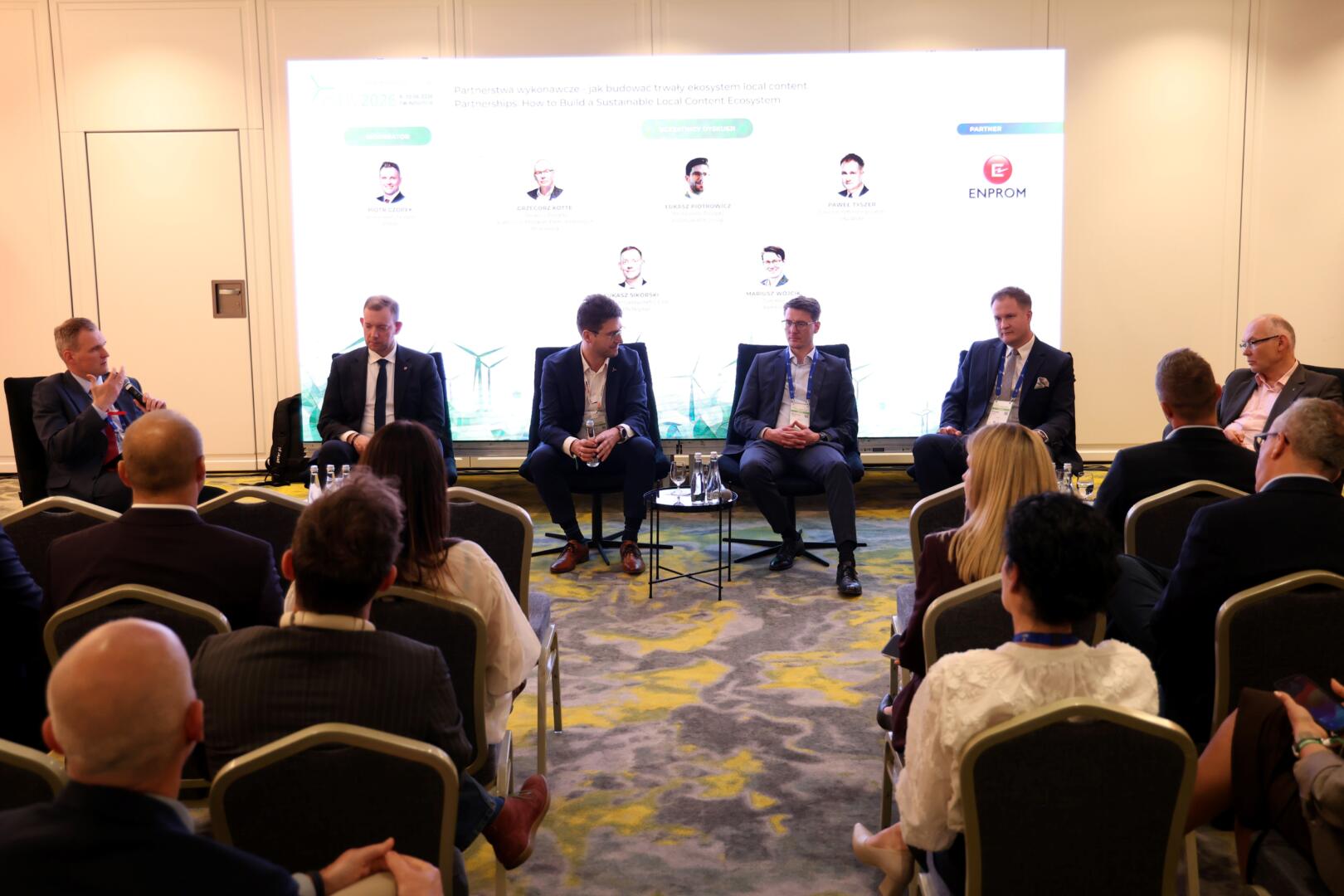
This was followed by a panel discussion titled Implementation Partnerships – How to Build a Sustainable Local Content Ecosystem, moderated by Piotr Czopek, Vice President of the Foundation. The session was divided into two parts: 1) implementation partnerships as the foundation for Phase II offshore projects, and 2) DEVEX and project services – from partnerships to the implementation of offshore projects. The first part of the panel was devoted to cooperation models and building implementation partnerships for Phase II offshore projects. The discussion focused on the relationships between investors, engineering firms, and subcontractors, as well as on the conditions necessary for creating a sustainable ecosystem of cooperation. The discussion drew on the experiences of companies such as Ramboll Polska, Enprom, and Projmors, which, by combining their expertise and specializations, are building the Polish market’s capacity to execute increasingly complex offshore projects. The second part of the panel, meanwhile, focused on the DEVEX phase and the practical aspects of project collaboration within the ongoing Phase II projects, including those being developed by ORLEN Neptun, Polenergia, and Equinor. Experts discussed the importance of planning and design services – ranging from environmental and geotechnical studies, through the design of power infrastructure, to advanced technical modeling and systems integration. The discussion highlighted how a professionally executed DEVEX phase helps mitigate investment risks, optimize costs, and build domestic engineering expertise.
The panelists for this session were:
- Grzegorz Kotte, Management Board Advisor for Offshore Wind Farms, Polenergia
- Łukasz Piotrowicz, Vice President of the Management Board, Projmors ASE Group
- Łukasz Sikorski, Baltic East Project Director, ORLEN Neptun
- Paweł Tyszer, Director, Offshore Projects, ENPROM
- Mariusz Wójcik, Director, Ramboll
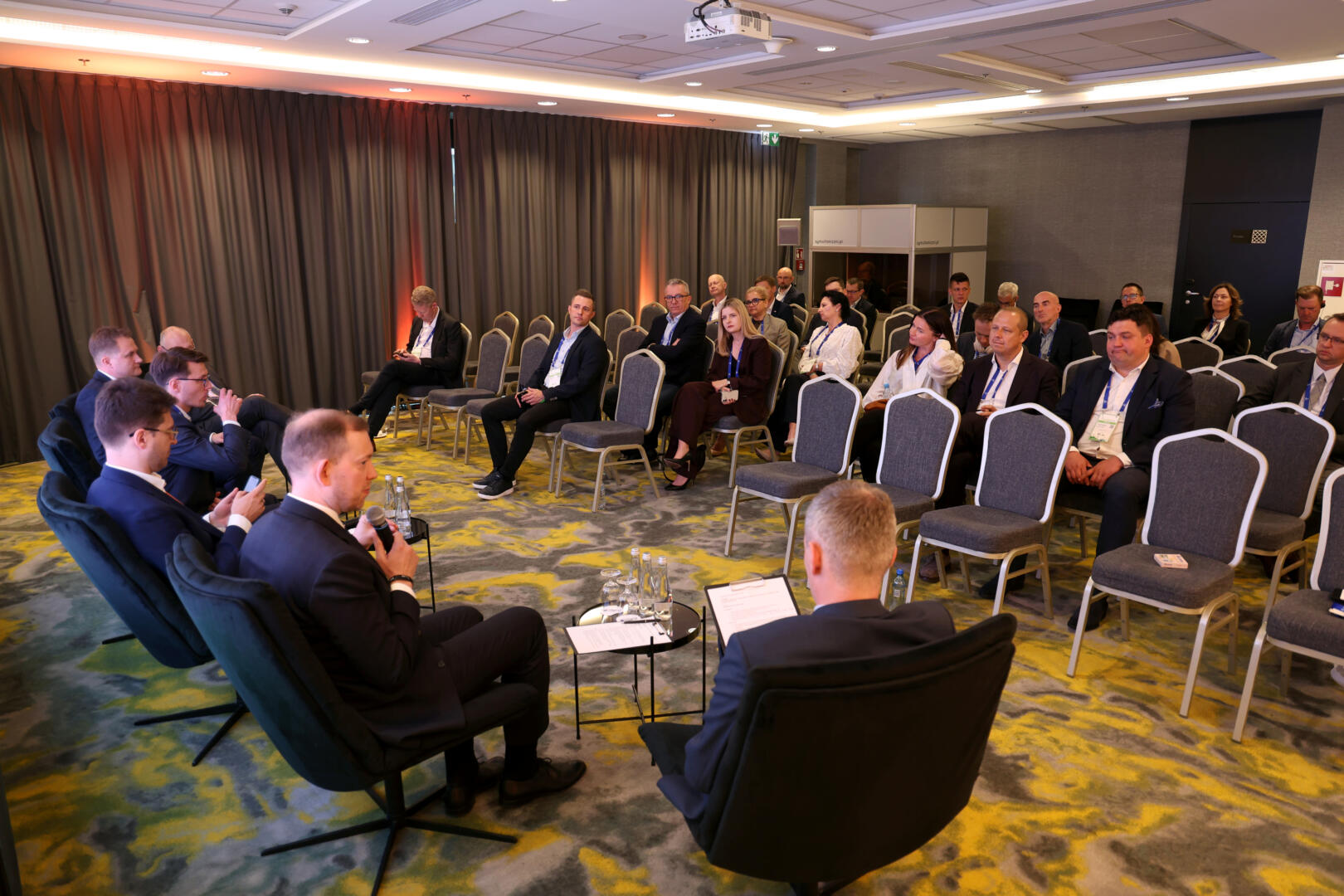
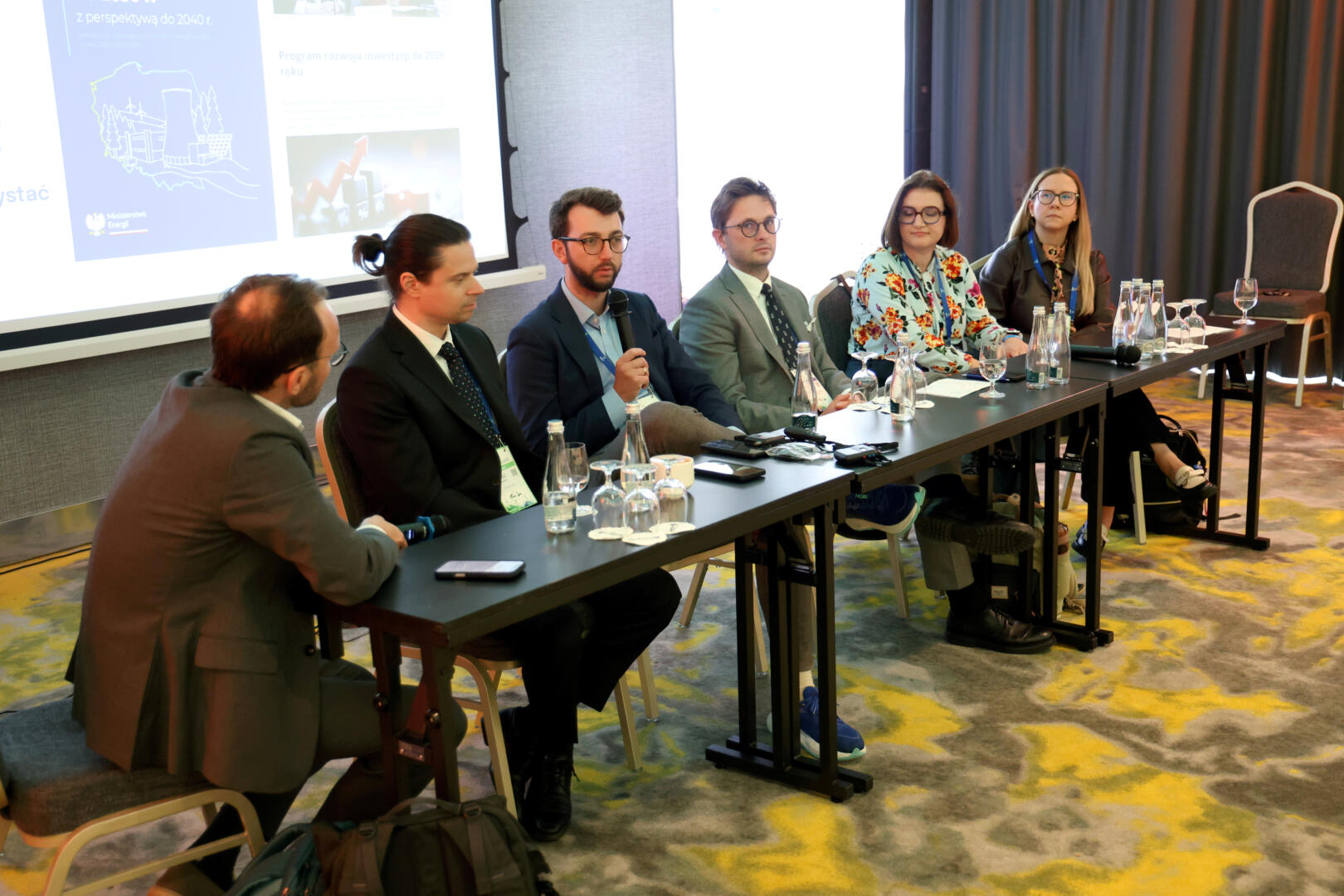
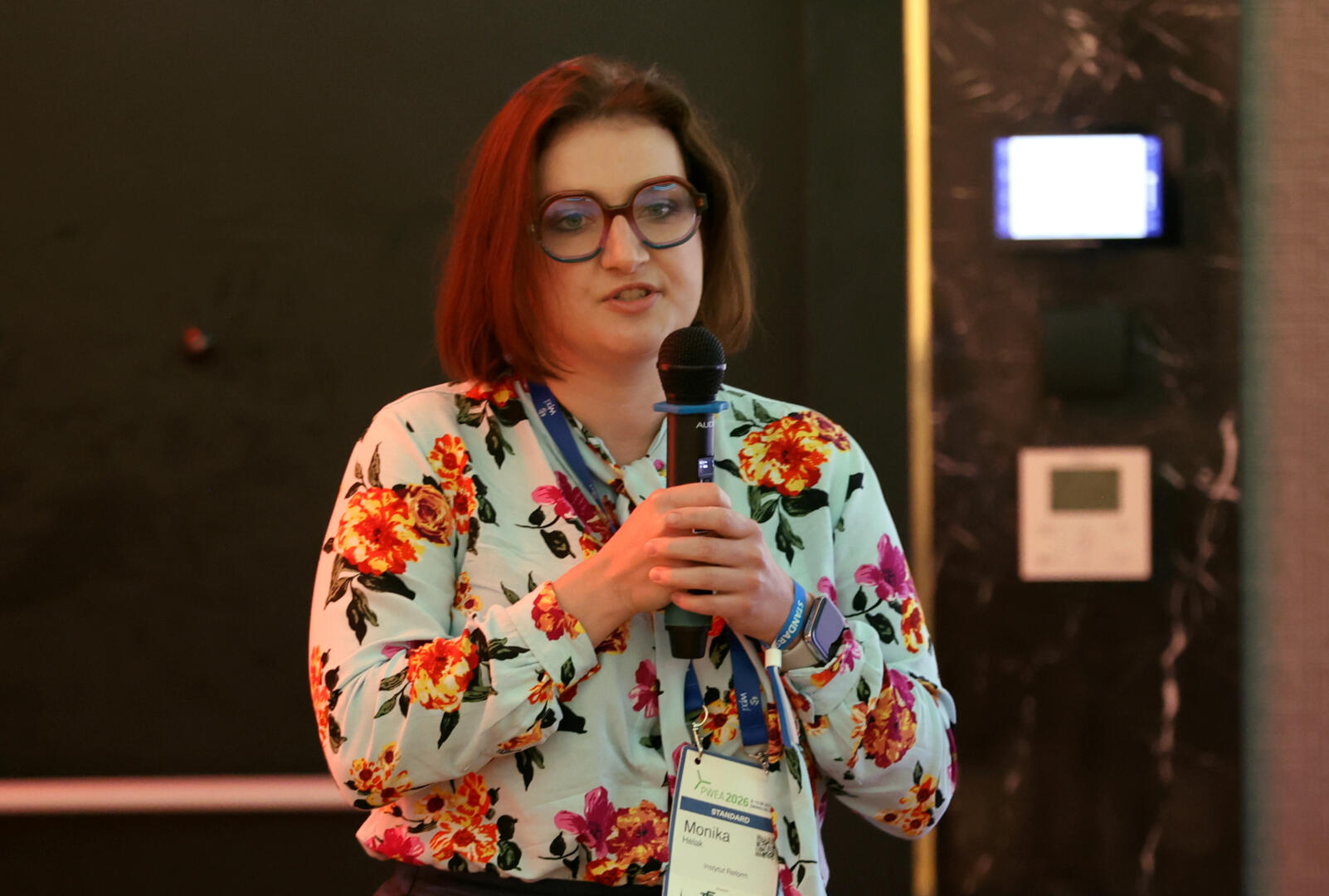
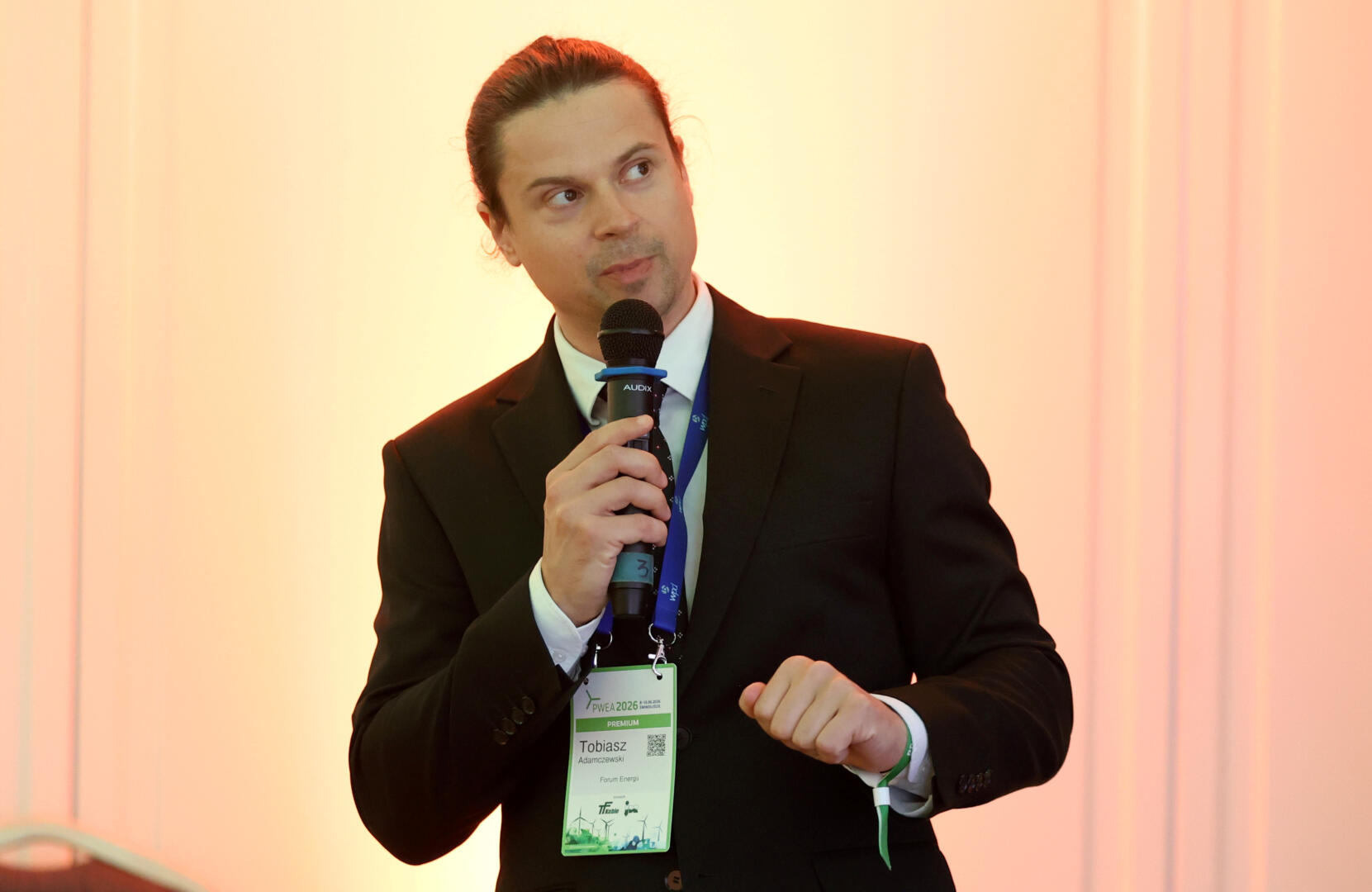
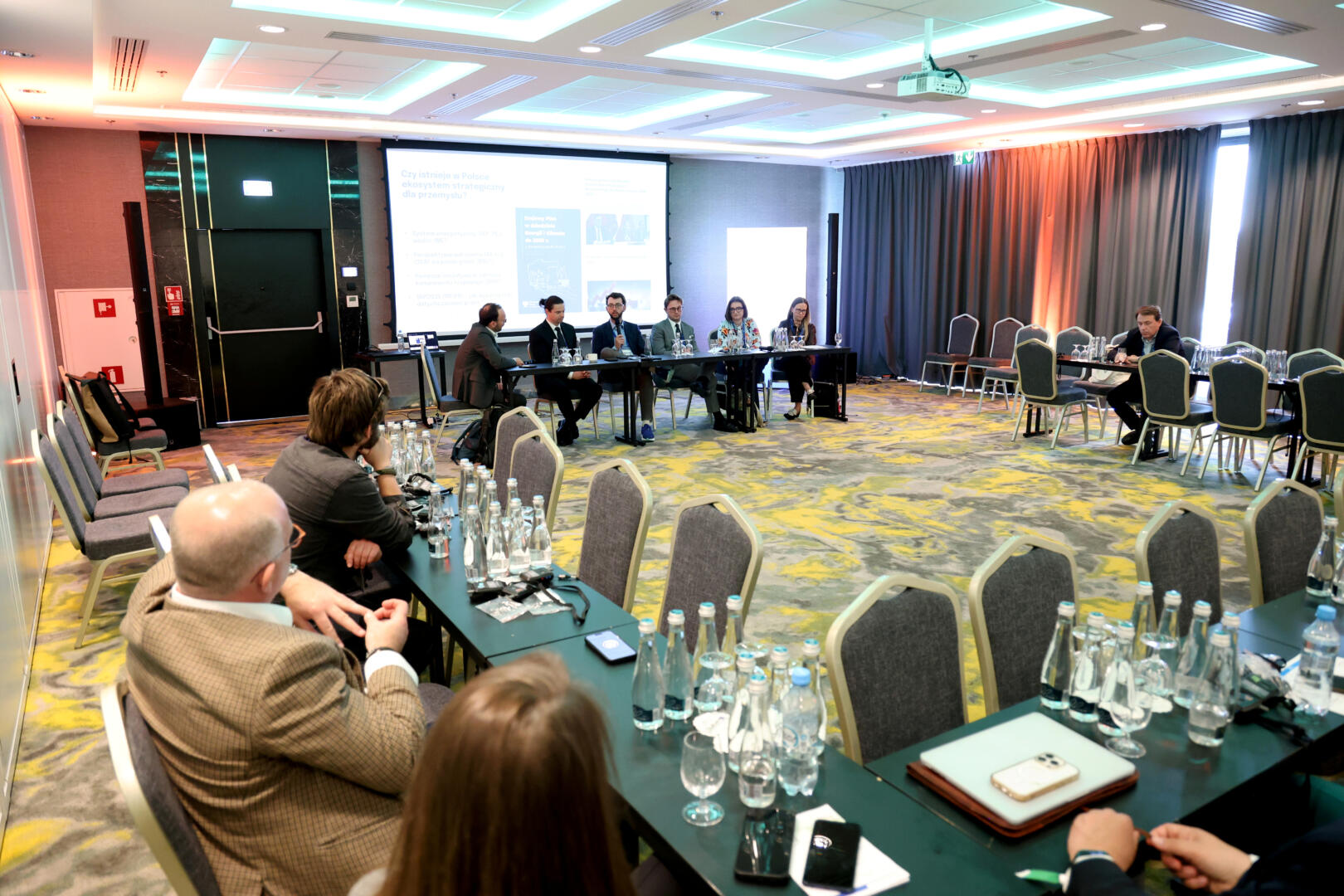
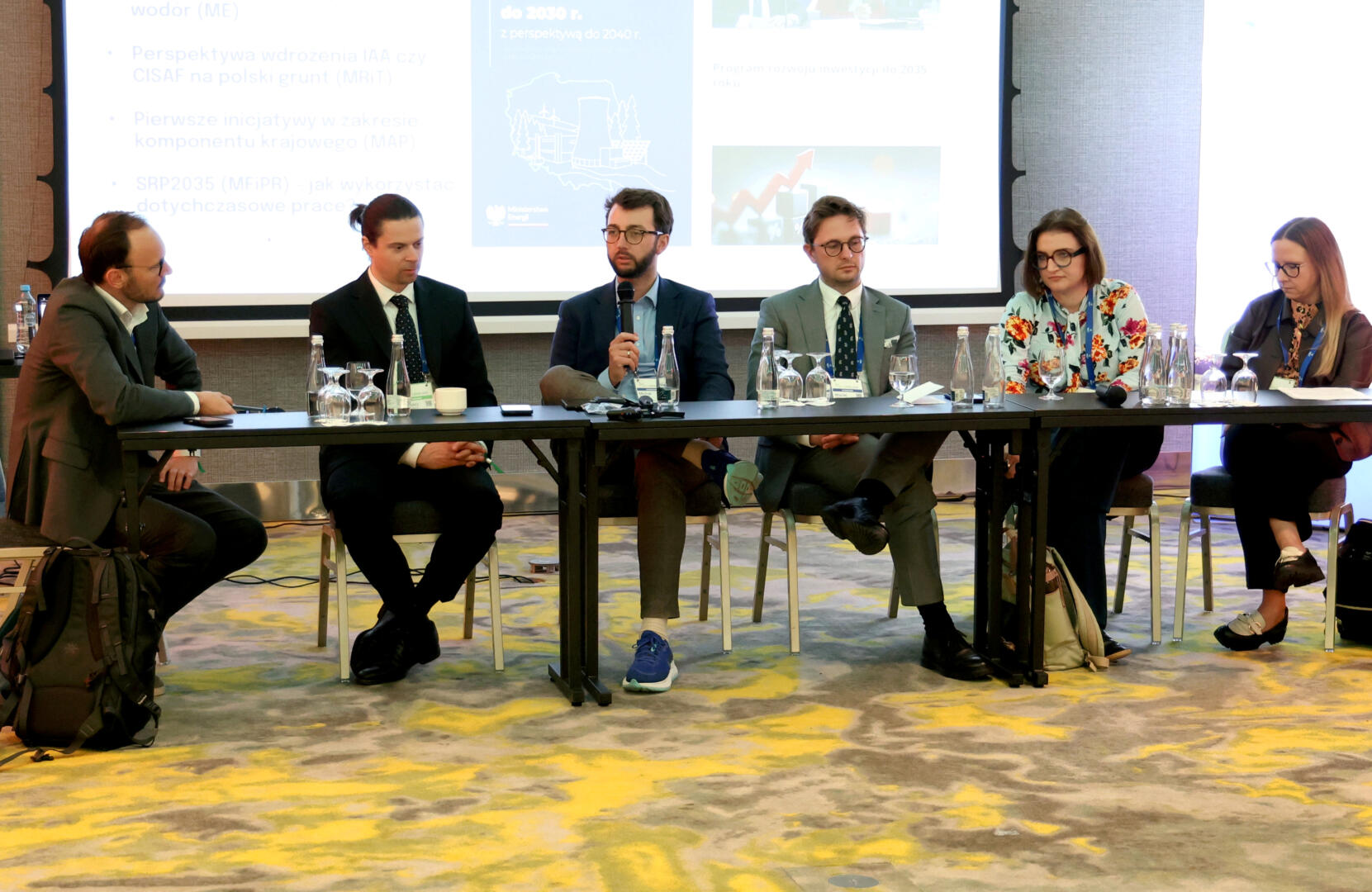
At the same time, a workshop titled Industrial Policy – How to Do It – Action Plan was held. The goal of the workshop was to compare expert visions with administrative realities and develop a coherent “Action Plan.” The final outcome of the session will be a joint report with recommendations, which will be officially submitted to government ministries as a substantive contribution to the shaping of national industrial policy. The workshop placed particular emphasis on practical tools (such as investment incentives and mechanisms to support decarbonization) that will enable Polish companies to build a sustainable competitive advantage in Europe.
The session was moderated by Maciej Mierzwiński, CEO of CEE Energy Group, and the other participants were:
- Tobiasz Adamczewski, Vice President of the Management Board, Forum Energii
- Monika Helak, Senior Public Policy Analyst, Institute for Reforms
- Michał Hetmański, President of the Management Board and Co-founder, Instrat Foundation
- Ewa Makowska, Head of the Offshore Wind Energy Department, Ministry of Climate and Environment
- Maciej Mróz, PhD, Assistant Professor, Warsaw School of Economics
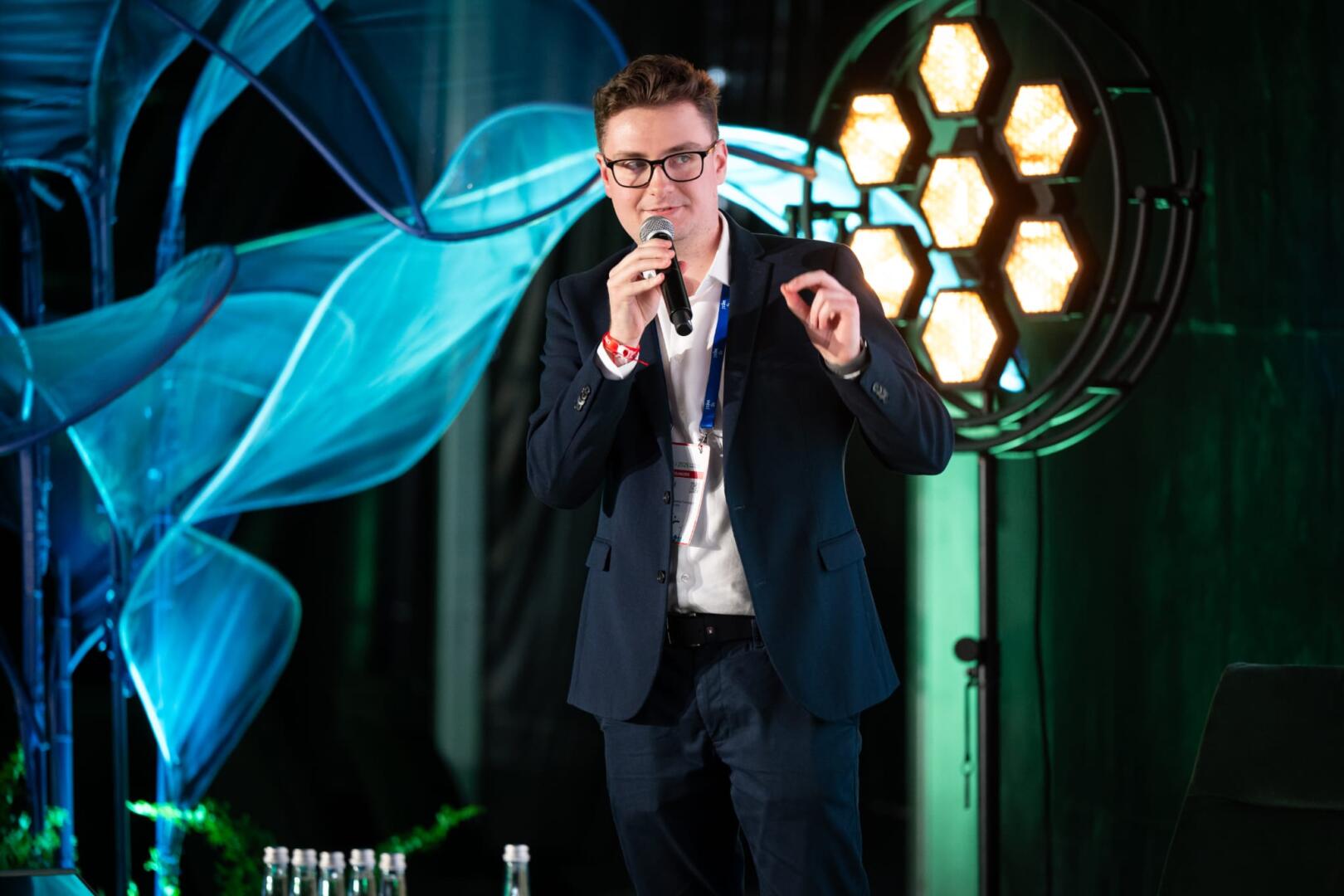
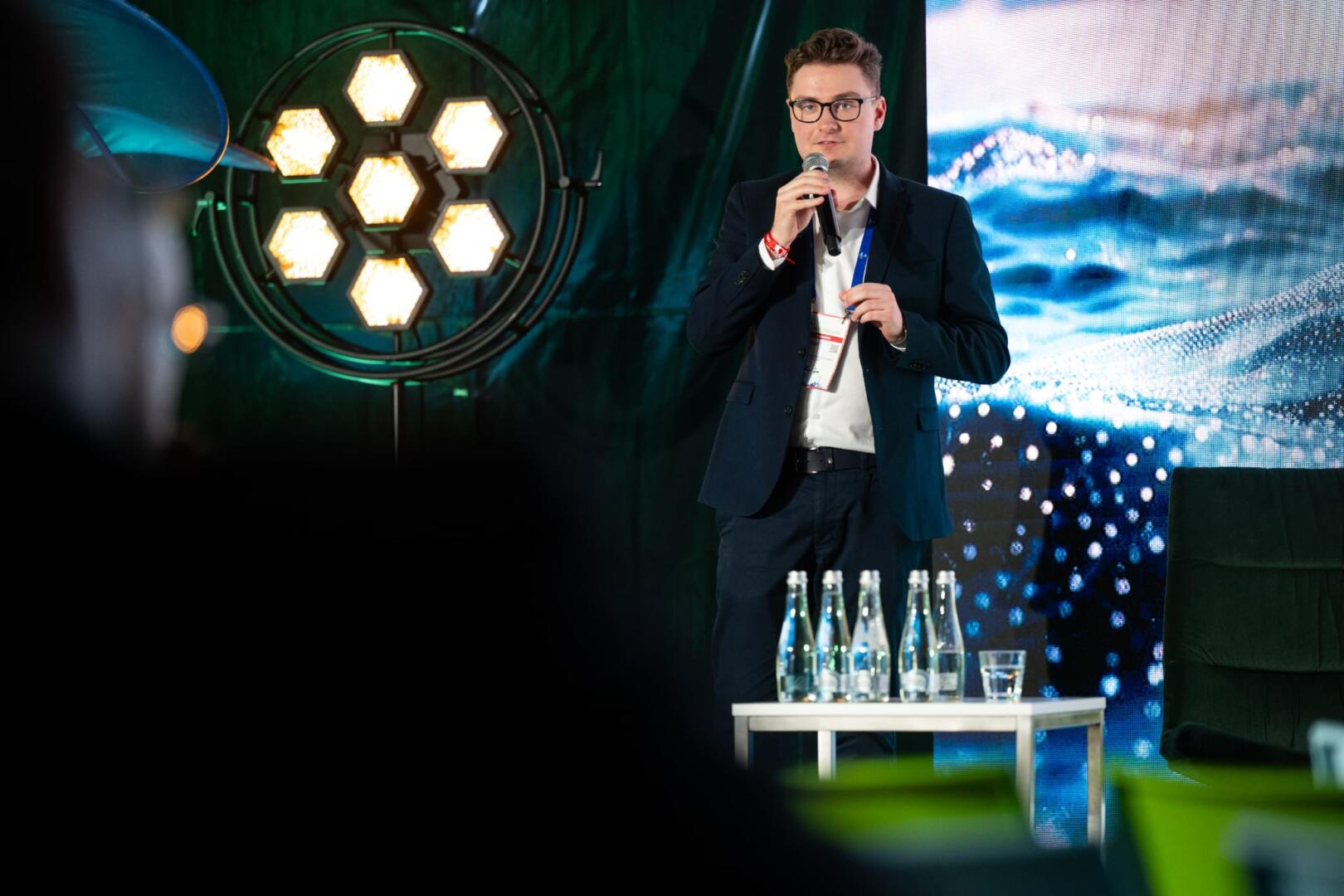
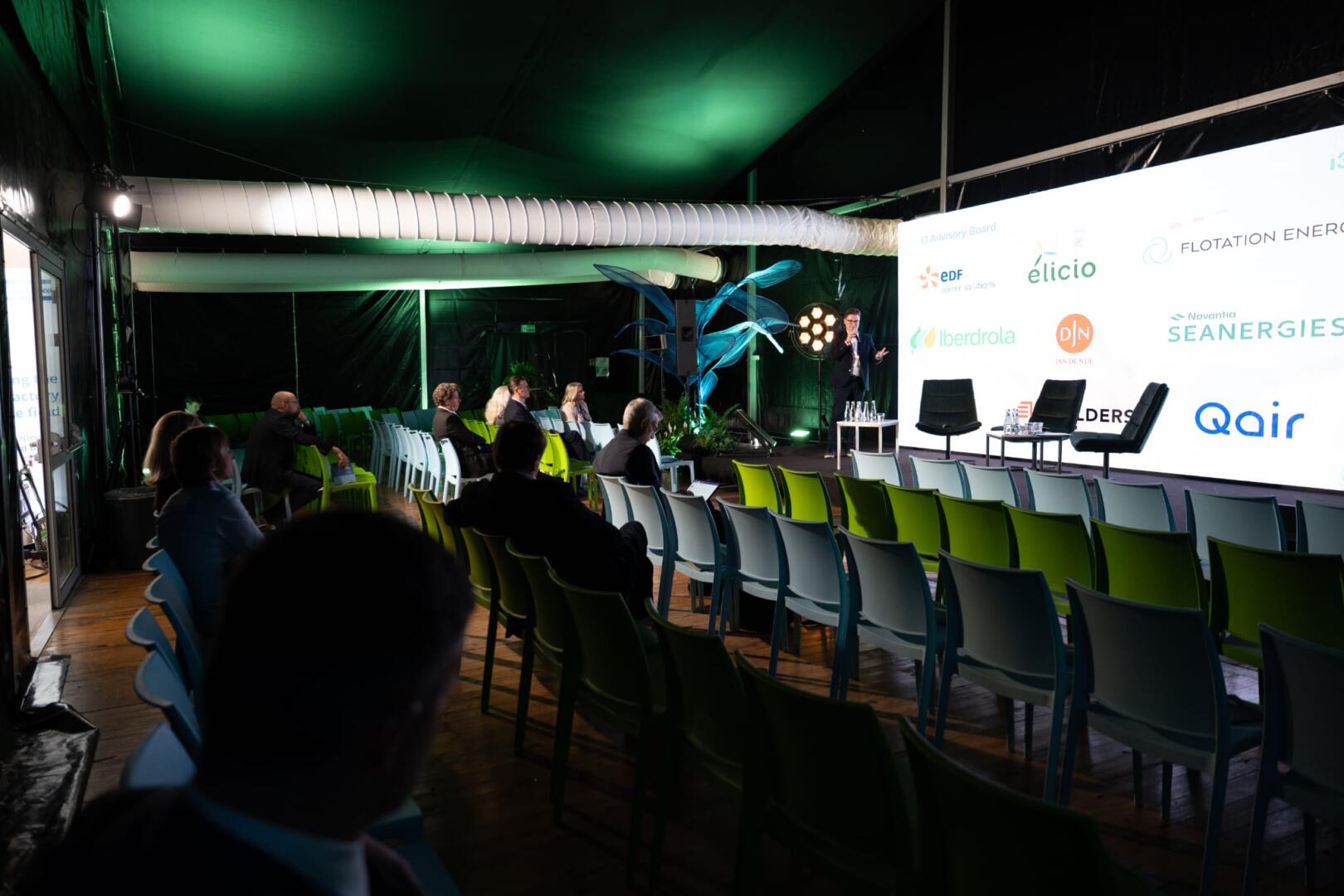
The final event of the day was a workshop organized by the I3FLOAT project titled Building an Innovative Supply Chain for Floating Offshore Wind. During the workshop, Michał Forycki from Wind Industry Hub presented information on this rapidly developing technology – it is projected that by the end of the decade, a total of 10 GW of floating wind turbine capacity will be installed worldwide. The International Renewable Energy Agency estimates that by 2050, these installations will account for 15% of all offshore wind farms, reaching a capacity of 264 GW. Prototype projects have already been developed in Norway, the United Kingdom, Portugal, France, and China.
The supply chain, which is being developed almost from scratch, currently presents a unique opportunity for domestic companies to get involved in the development of this technology at an early stage. The European Union-co-funded I3FLOAT project is designed to help achieve this; its goal is to strengthen the value chain for floating offshore wind farms by mobilizing interregional investments in innovation and accelerating the market readiness of advanced technologies. A key element of the initiative is the awarding of grants of up to 60,000 euros to 50 SMEs. As part of its work, the consortium is currently finalizing the funding criteria for open calls for proposals, and all indications suggest that a significant portion of the funds will be allocated exclusively to SMEs from so-called “less developed regions” in the European Union – which includes most provinces in Poland – so we hope that domestic companies will benefit from the project to the greatest extent possible.
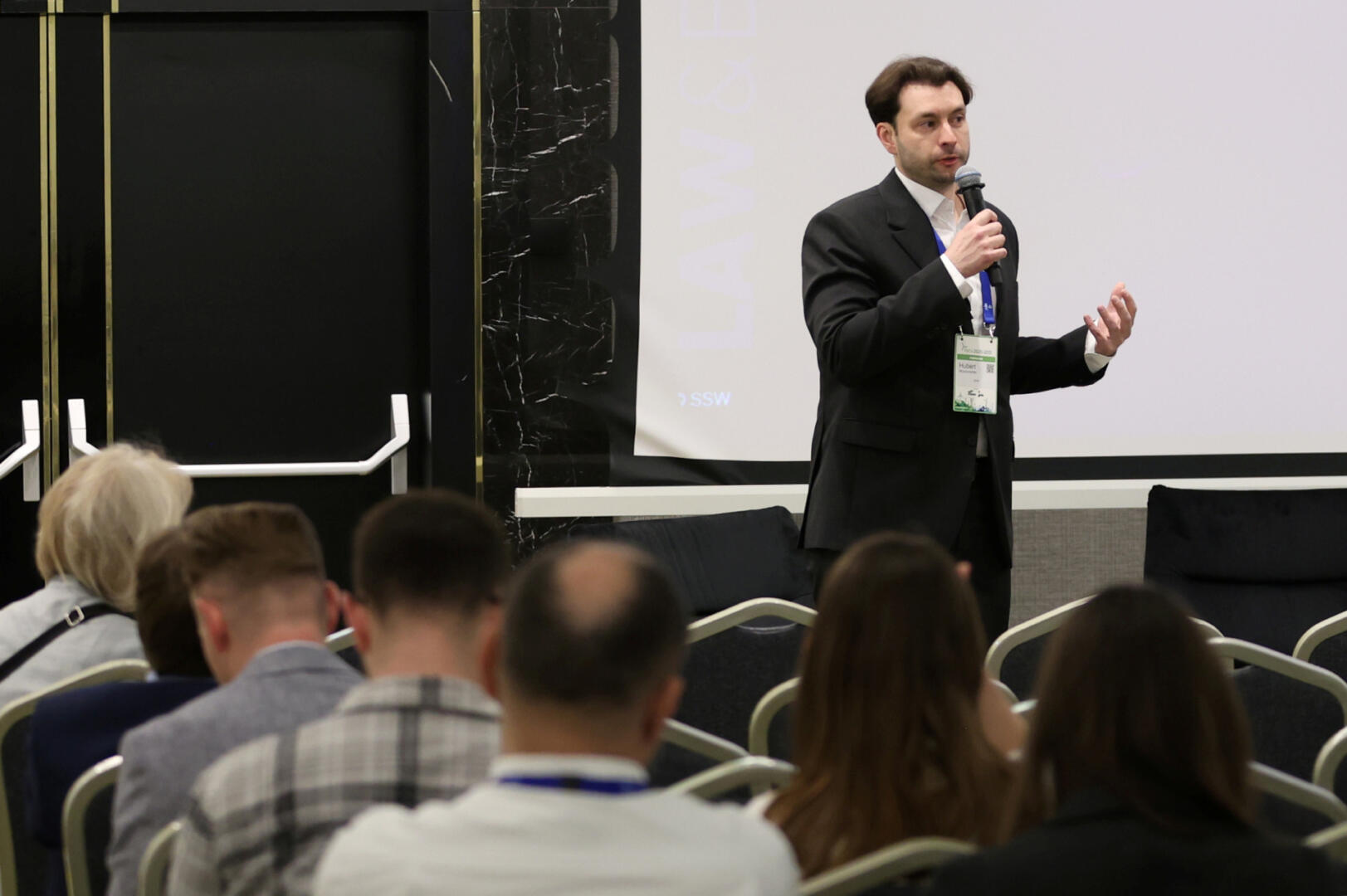
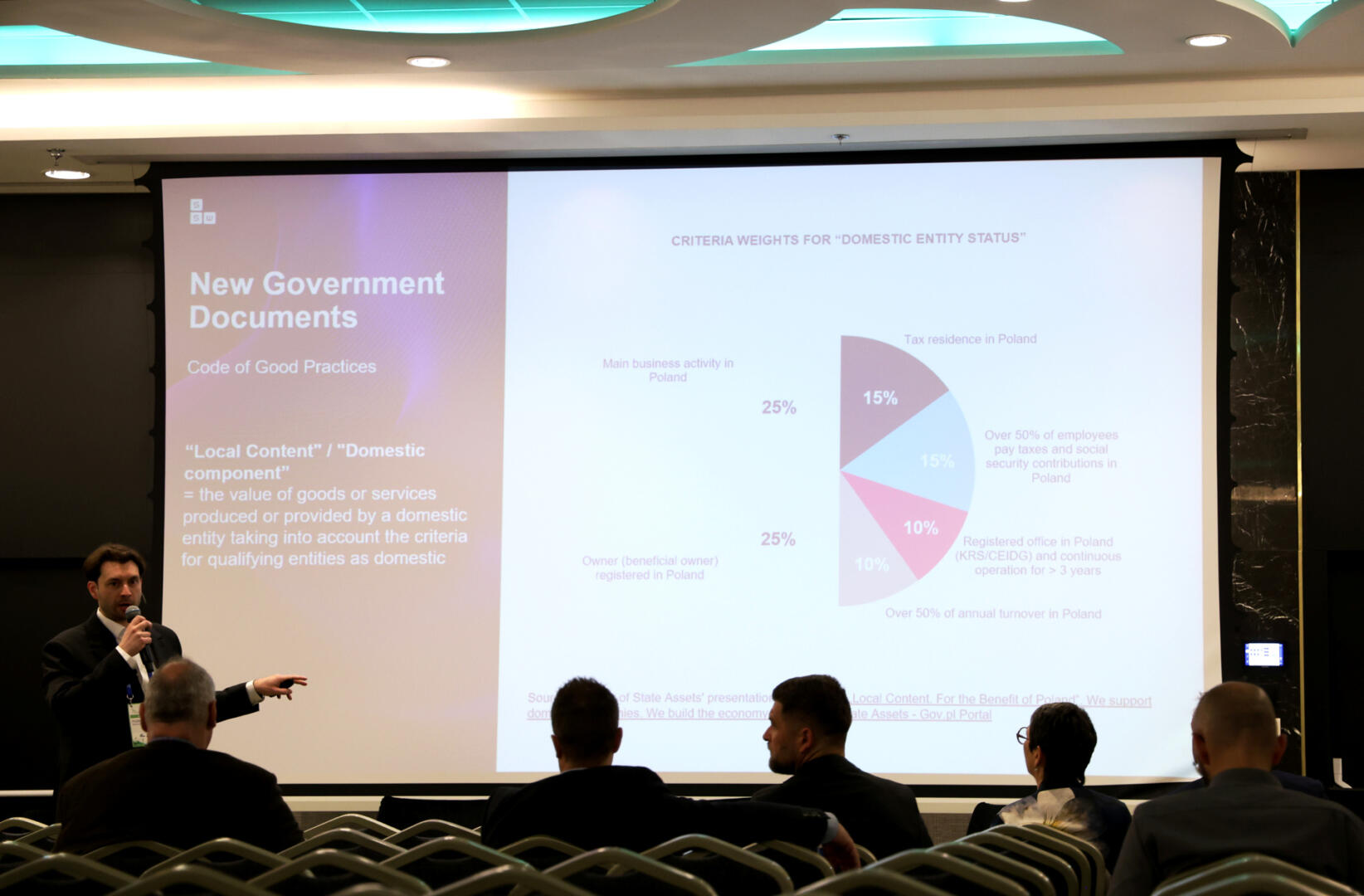
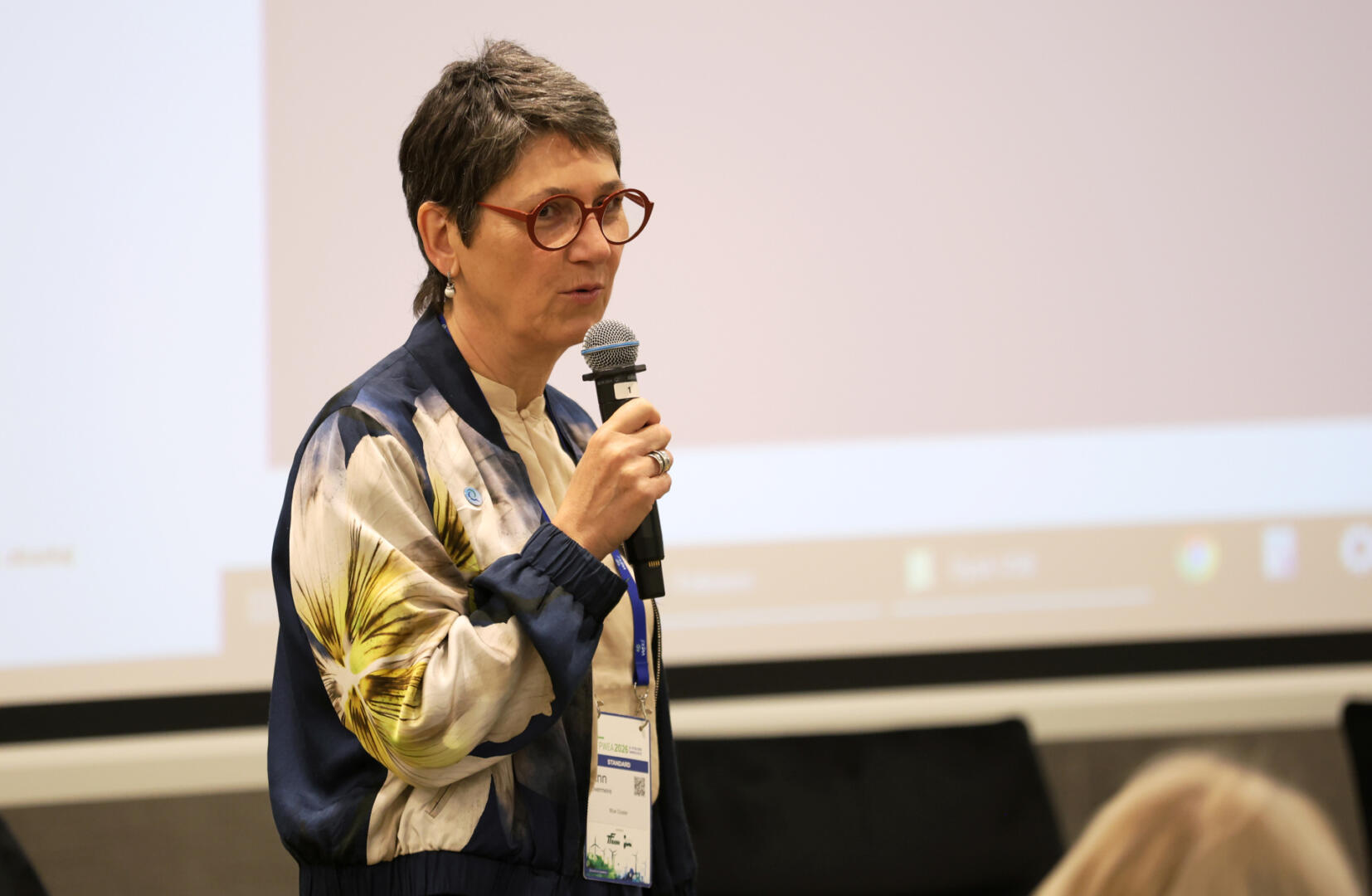
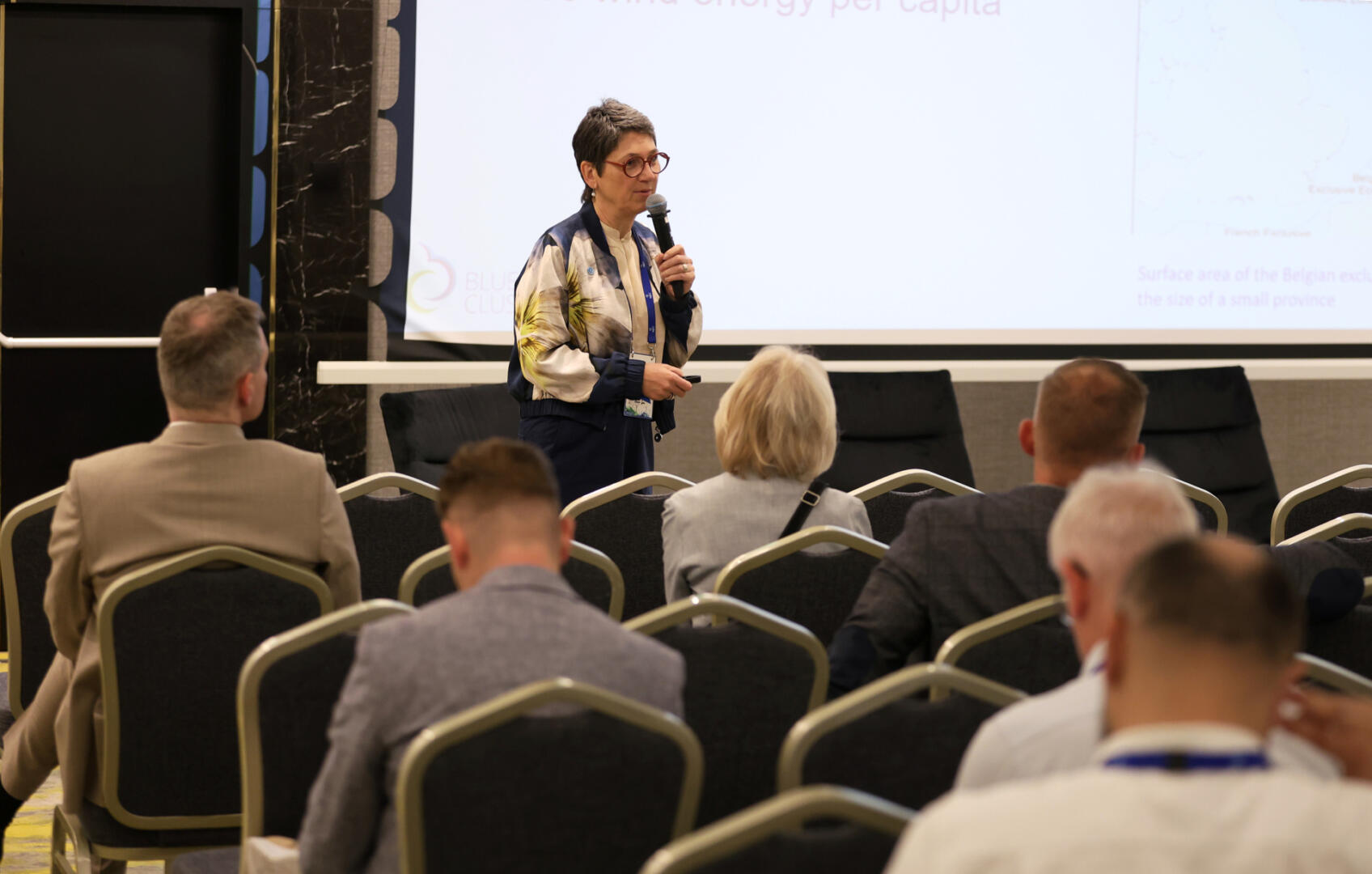
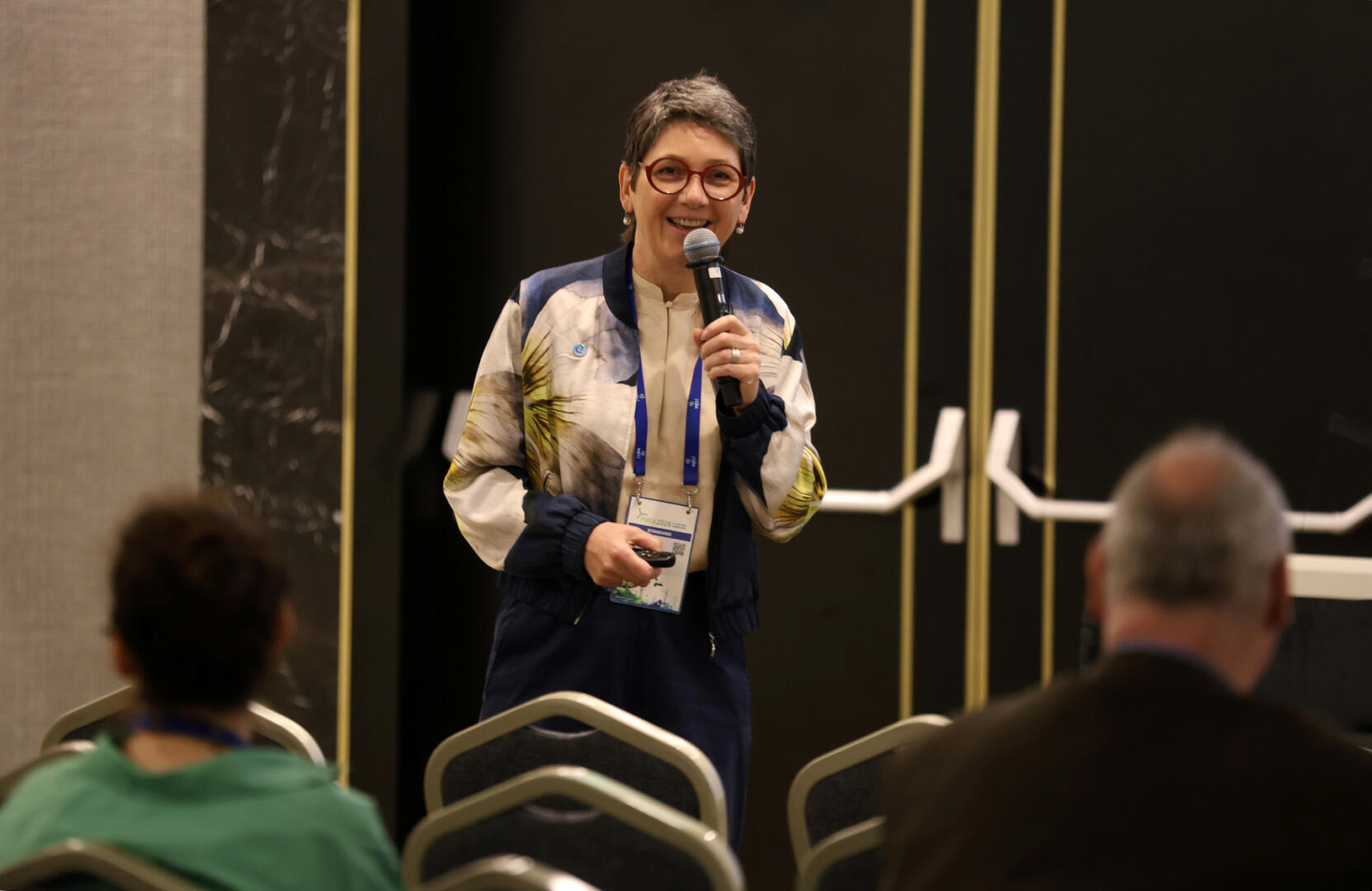
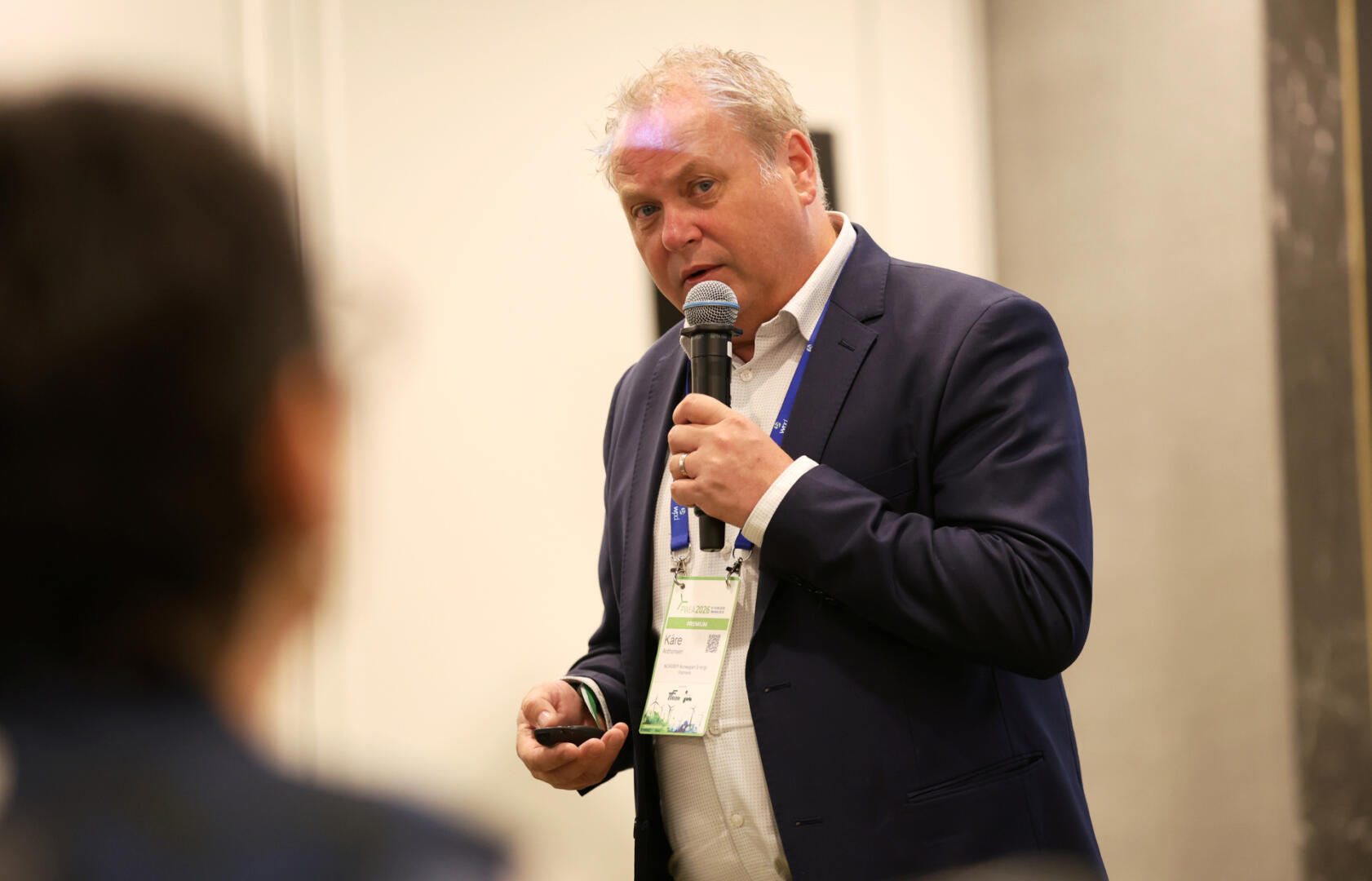
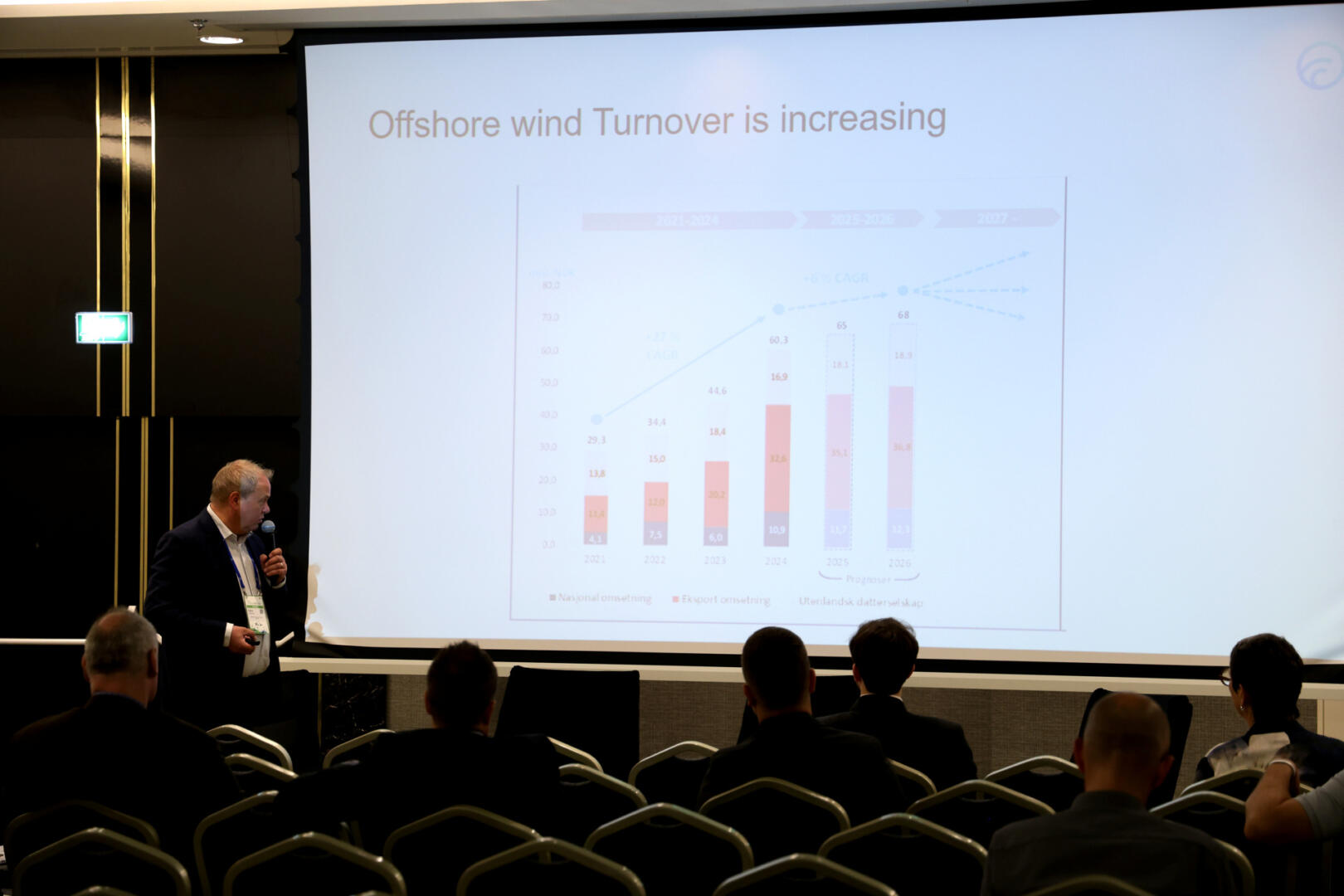
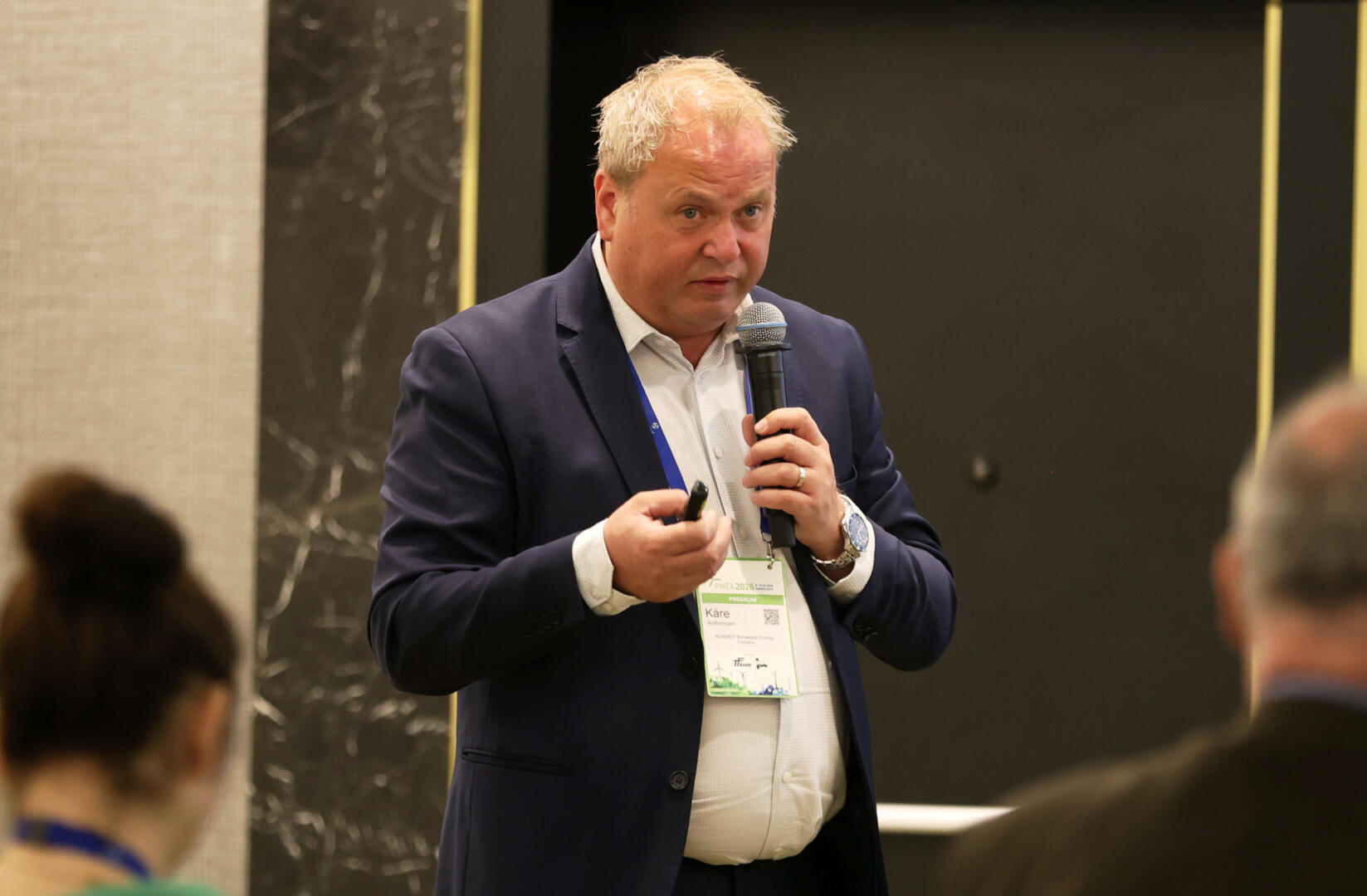
We began the third day of the conference with an open meeting of the PSEW Supply Chain Working Group. The group is administered on a day-to-day basis by SSW Law Firm, while the Wind Industry Hub Foundation serves as its subject-matter advisor. During the meeting, Hubert Wysoczański PhD, Partner and Advocate at SSW, and Dominika Taranko from the Wind Industry Hub presented the latest information on legislative changes and initiatives related to local content. Next, representatives of foreign delegations who attended the PSEW2026 Conference took the floor – Kåre Anthonsen, Director of Renewable Energy at Norwegian Energy Partners (NORWEP), spoke about the Norwegian market, while Ann Overmeire, COO of Blue Cluster, presented an overview of the Belgian market.
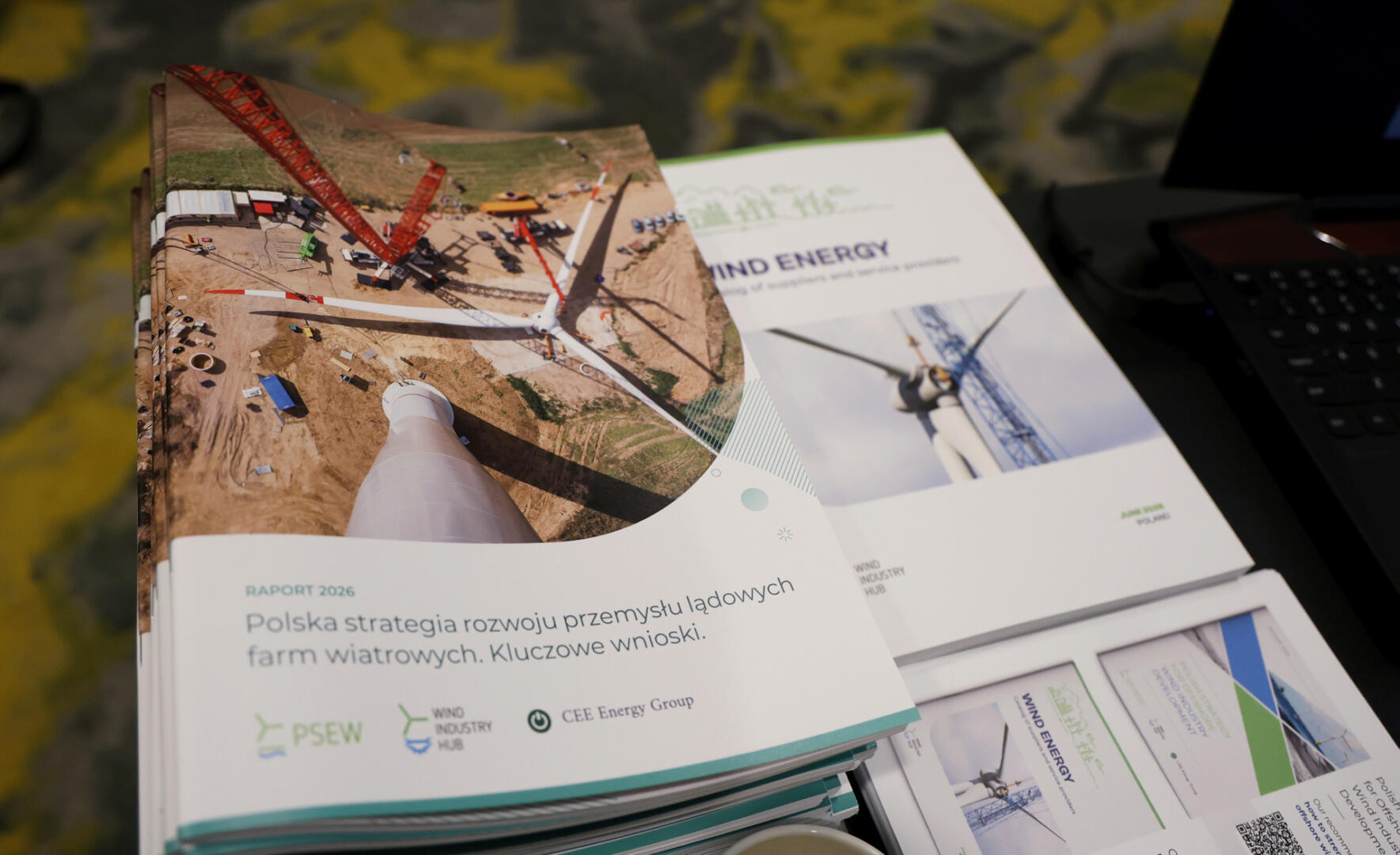
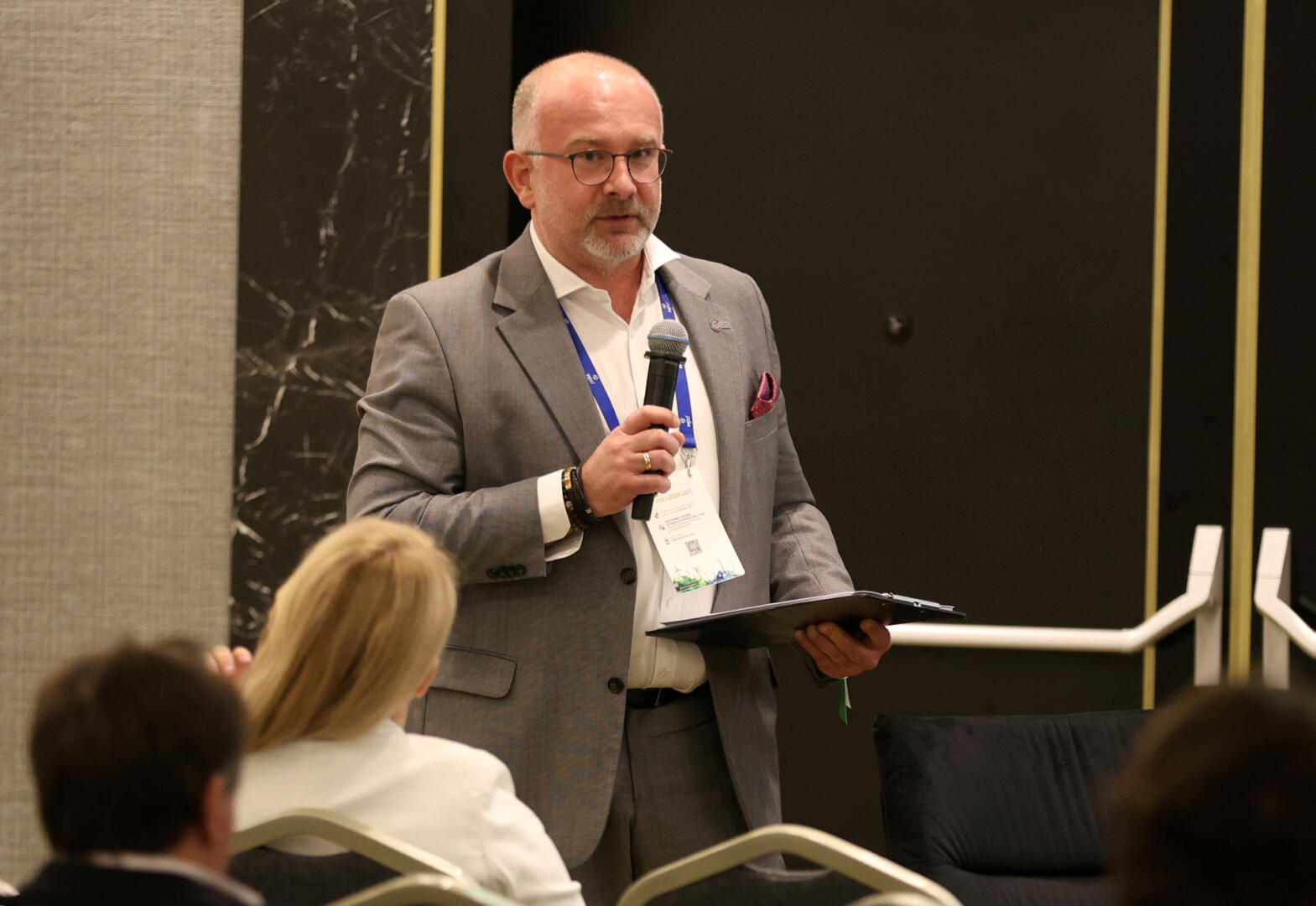
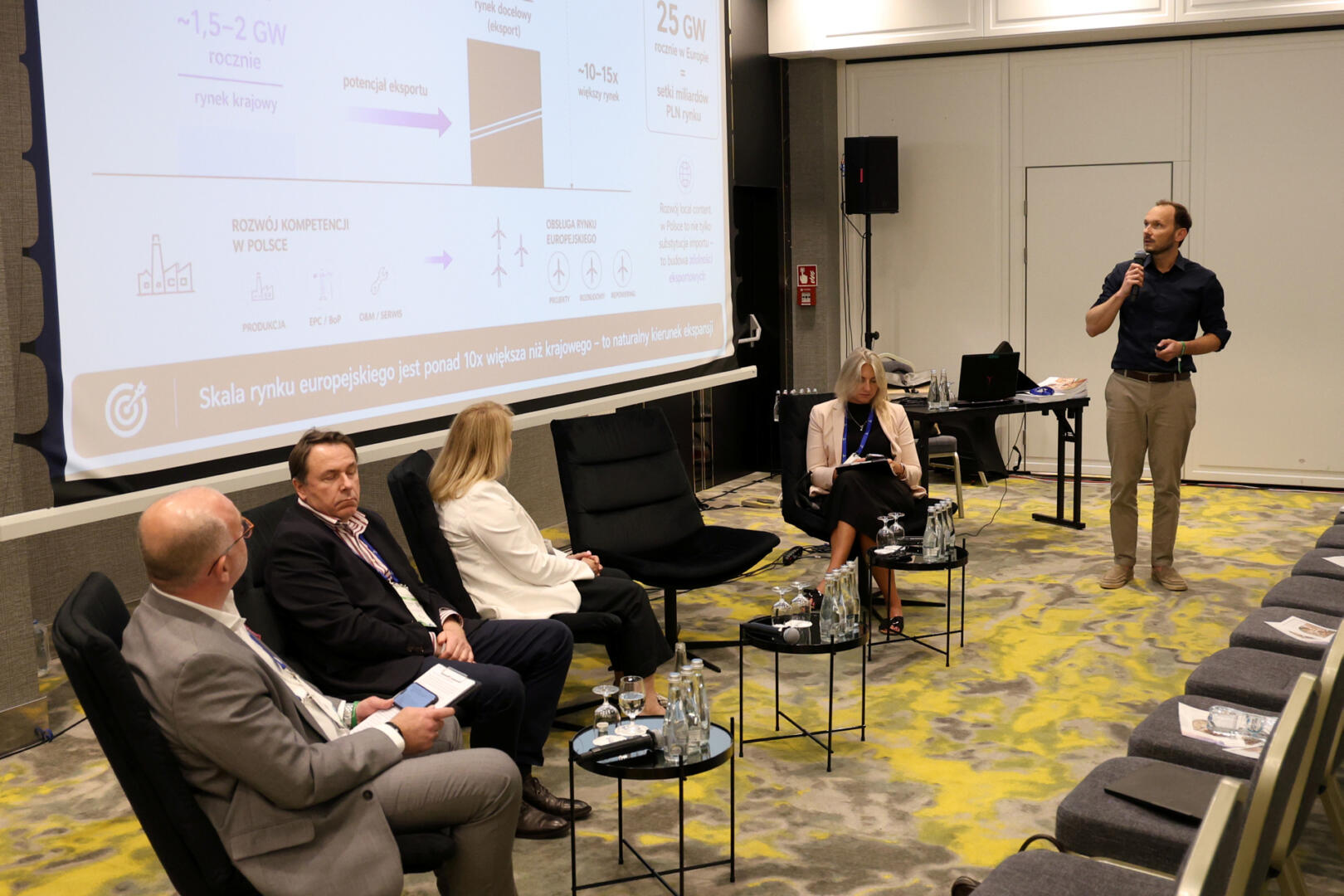
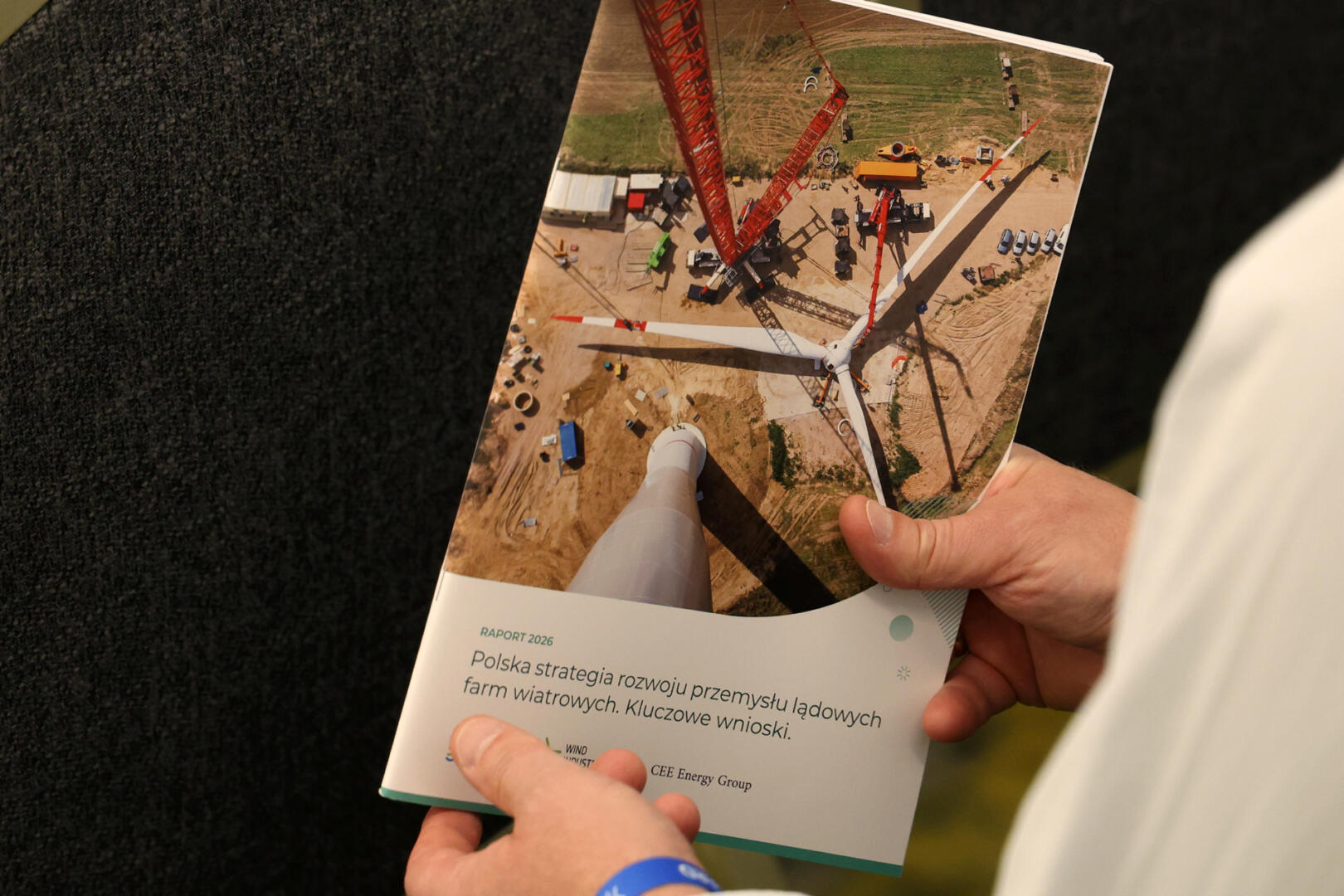
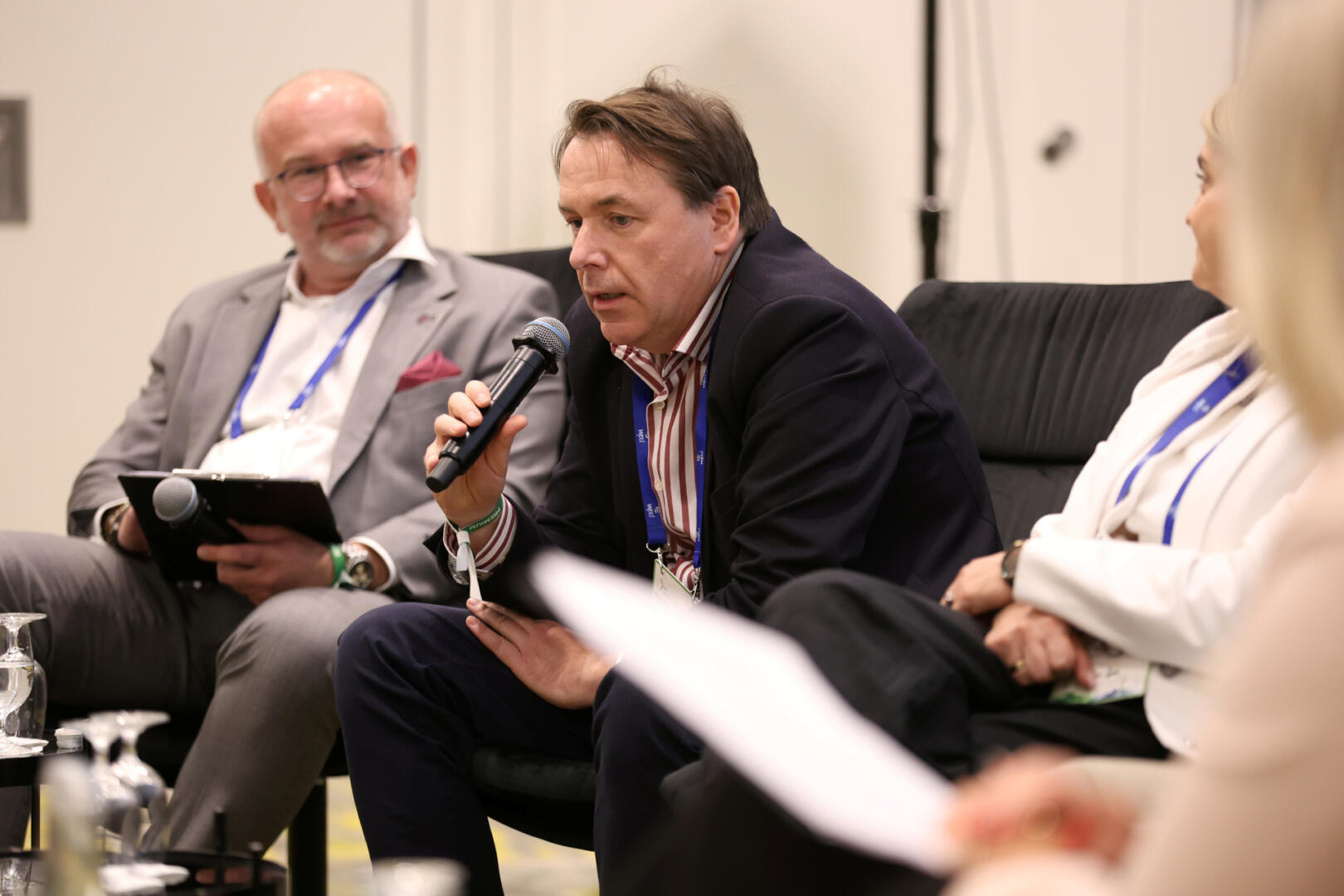
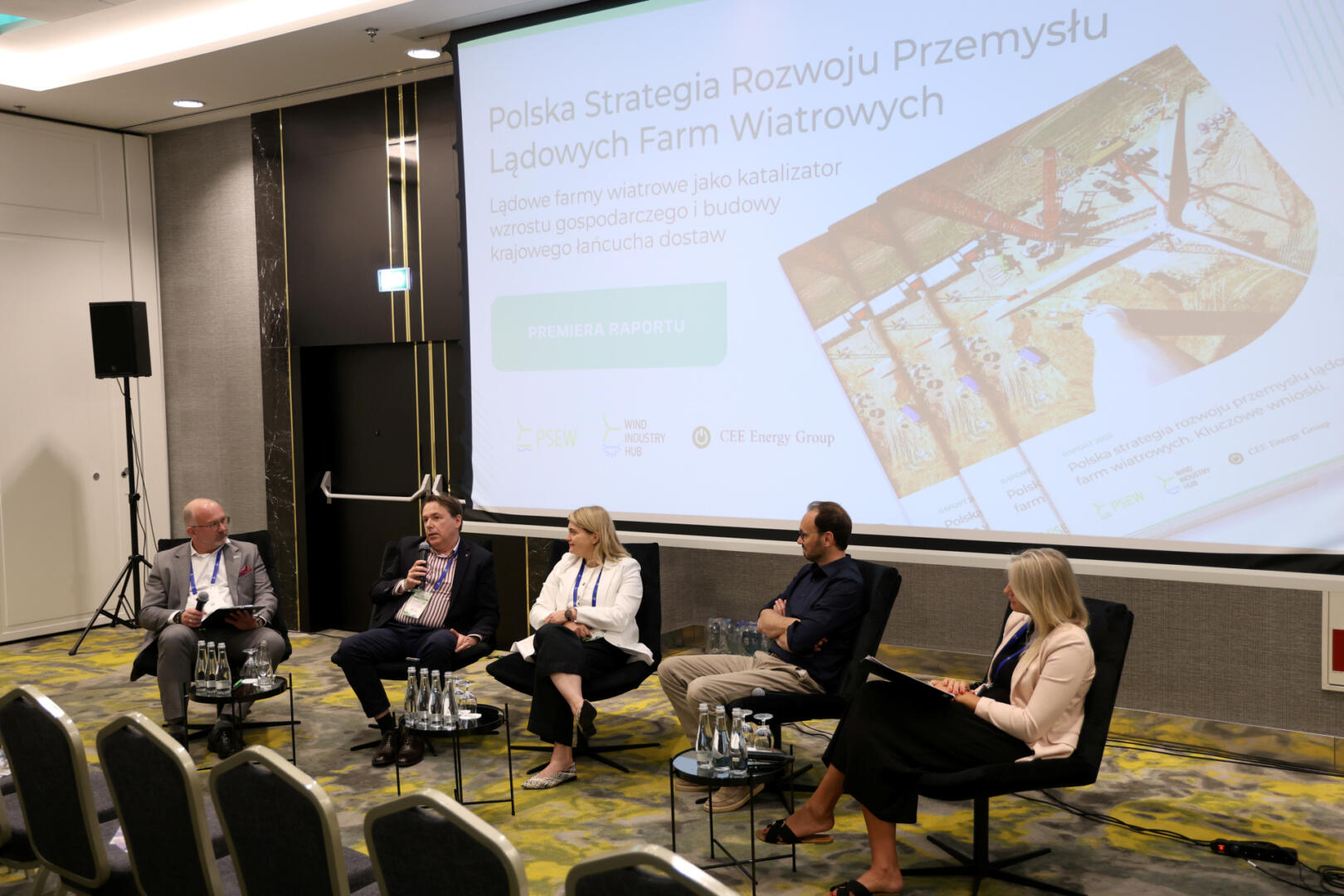
The most recent event was a workshop titled Polish Strategy for the Development of Onshore Wind Farms. The discussion centered on a document we published a month ago (available here). During the workshop, participants discussed the sets of recommendations outlined in the Strategy, as well as the key stakeholders whose involvement is essential for the Strategy’s implementation. The discussion also provided an opportunity to learn about the perspectives and experiences of component suppliers to the onshore wind industry in Poland.
The discussion was moderated by the Strategy’s co-author – Piotr Maciołek, Vice President of the Management Board and CFO at Enerconet – while the other panelists were:
- Justyna Ciulkin, Member of the Management Board, Electrum
- Maciej Mierzwiński, CEO, CEE Energy Group
- Wojciech Racięcki, Deputy Director of the National Center for Energy Analysis, Polish Power Grid
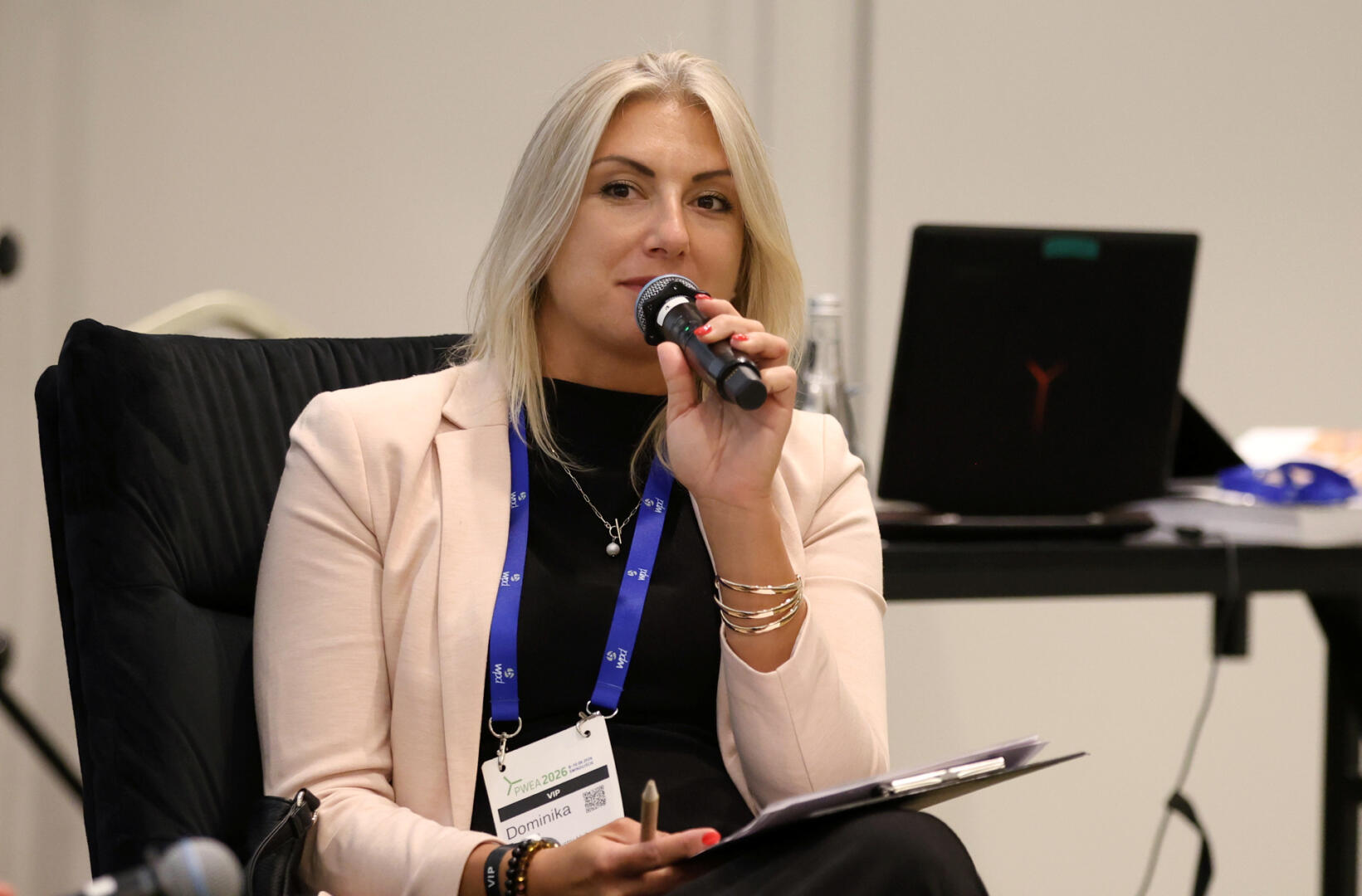
- Dominika Taranko, Managing Director and Vice President of the Wind Industry Hub Foundation
This session marked the end of an extremely intense conference, which was preceded by many months of preparation. Thank you for joining us, and see you next year!