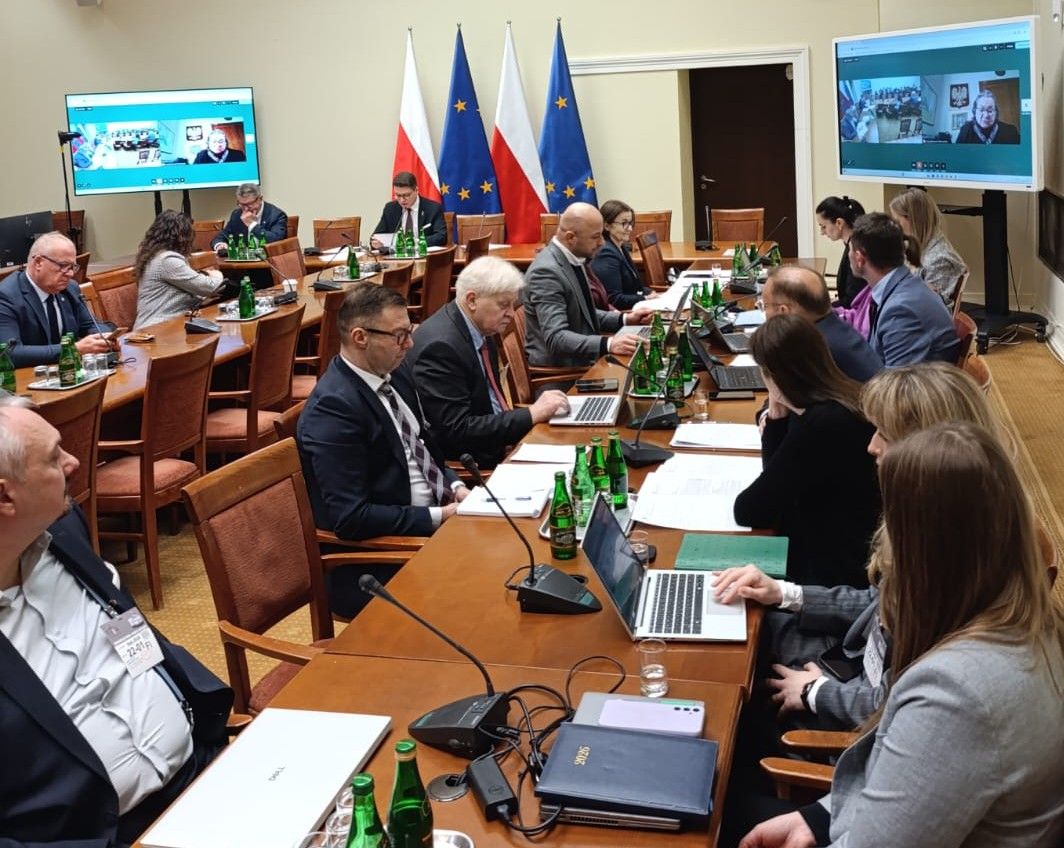

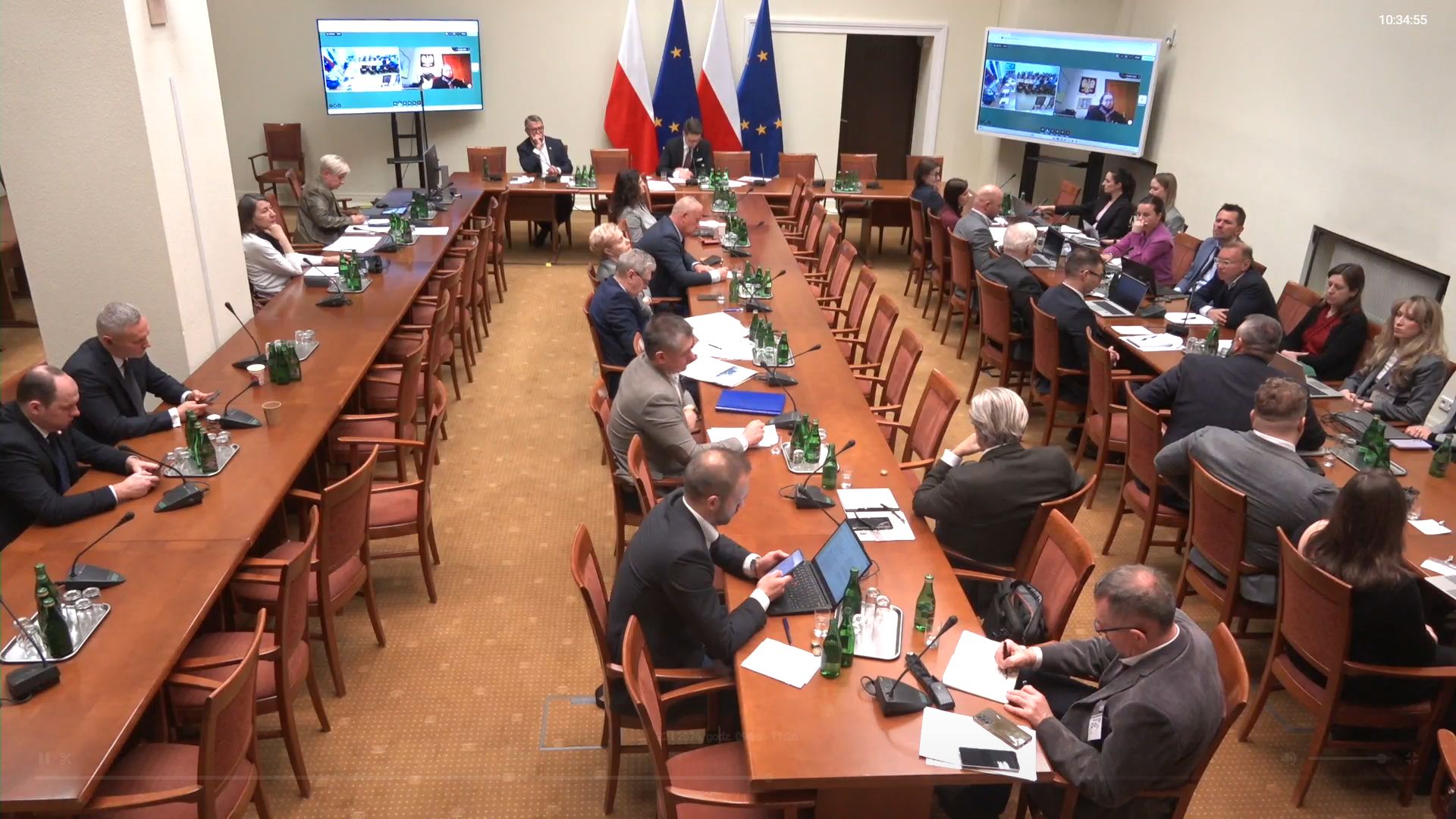
Last week was full of parliamentary committee meetings and meetings with government decision-makers dedicated to wind energy.
20 January (Tuesday):
- Standing Subcommittee on Innovation and Competitiveness of the Economy
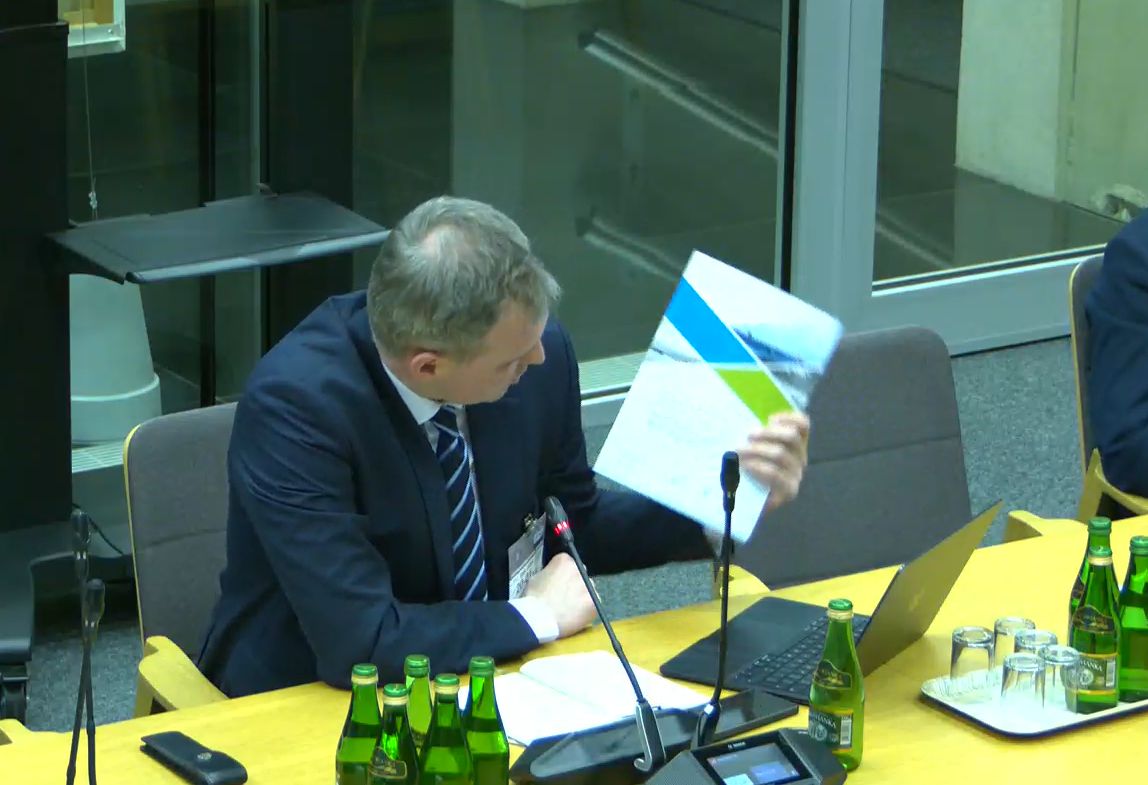
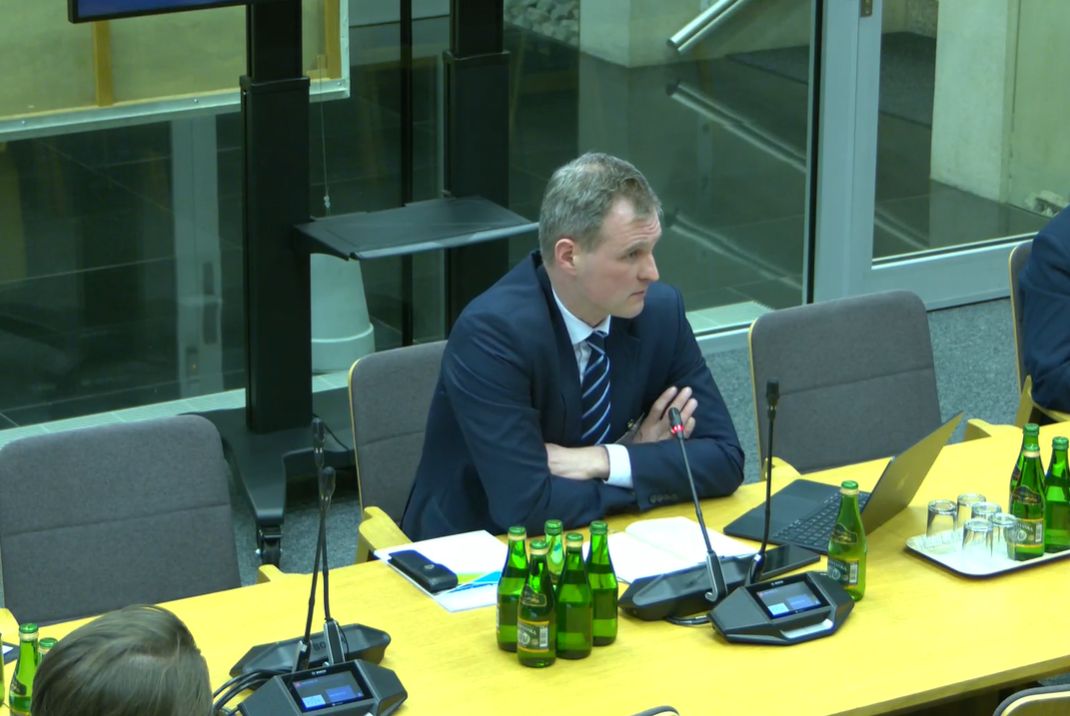
During the Subcommittee meeting, Piotr Czopek spoke on behalf of the wind industry. In his speech, he highlighted the key challenges facing the sector, including the need for a consistent approach to local content and the development of sustainable competitive advantages for Polish industry in the energy transition.
It is worth recalling that it was the offshore wind industry that started the discussion on local content in Poland many years ago – in practice, as a conversation about the real participation of domestic companies in the supply chain, competences, production investments and regulatory stability.
At the same time, Poland, as the 20th largest economy in the world, still lacks a coherent industrial policy that would systematically support the development of domestic generation capacity, services, technology and exports in the wind energy sector.
The Polish Wind Energy Association and Wind Industry Hub have developed a strategy for offshore wind, and we are currently working on a strategy for onshore wind, because the development of renewable energy sources should go hand in hand with the development of Polish industry and a long-term plan for supply chains.
21 January (Wednesday):
- Maritime Economy and Inland Navigation Committee
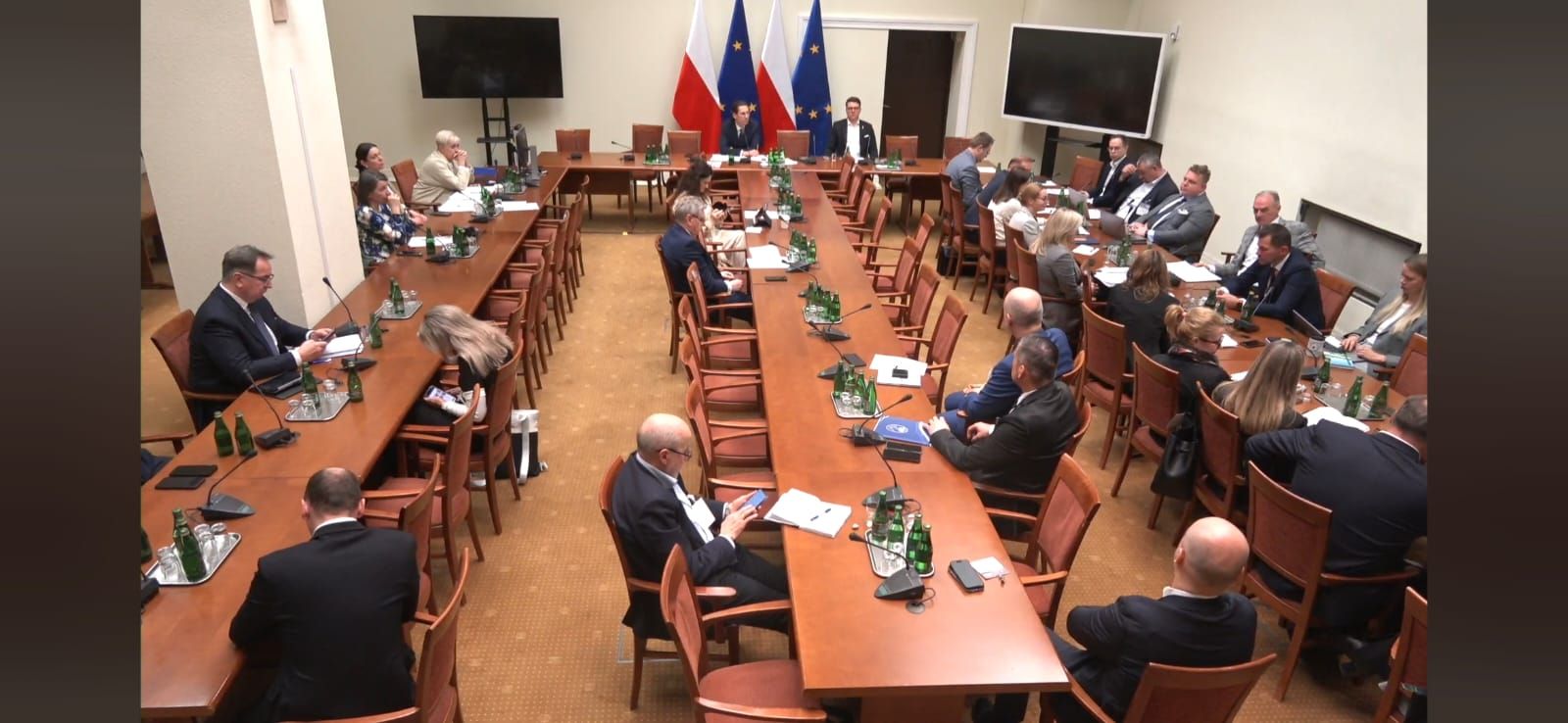
The meeting continued the discussion on offshore wind energy that began last year. The main topic of discussion was the participation of Polish industry in offshore wind farm projects and the analysis of ‘local content’ in the context of onshore and offshore at all stages of project work and its impact on the economy.
On the government side, the Ministry of State Assets and the Ministry of Climate and Environment presented their positions, emphasising the scale and strategic importance of the wind energy sector for the development of domestic industry, which in turn contributes to the country’s economic growth. The ministries presented the activities carried out on the investors’ side, focusing on the presentation of the measures and investments undertaken.
The industry side drew particular attention to the need to introduce a strategic approach to supporting Polish companies so that they can become even more competitive in the developing Polish offshore wind market, thus enabling investors to contract as many Polish suppliers as possible.
The Polish Wind Energy Association (PSEW) has been participating in the discussion for years, emphasising that it was in the offshore wind energy sector that the concept of ‘local content’ emerged. The sector’s responsibility and awareness in this area is very high.
Oliwia Mróz-Malik from PSEW and WIH drew attention in her statement to, among other things, the new KPEIK project, in which the targets for wind energy have been significantly reduced, which reduces the sense of stability of the sector on the market, especially in the context of the industrial side, which needs long-term certainty in order to make further, risky investment decisions in production capacity for the sector.
PSEW and WIH, with the support of CEE Energy Group, have prepared a comprehensive document entitled ‘Polish strategy for the development of the offshore wind farm industry’, which is a catalogue of tools to support the development of the Polish industry. It is a ready-made set of solutions necessary for the industry to continue its development. PSEW is pleased to observe the work of the team for the Participation of the National Component in Key Investment Processes – let us remember that the discussion on theory should be accompanied by a discussion on the methodology of calculating and implementing the proposals in practice. In addition, we emphasised the importance of non-price criteria as a European tool which, if used properly, can increase the share of the Polish component in OWF projects. From this year onwards, at least 30% of the RES auction volume should be subject to quality criteria. Let us ensure that the NZIA regulations are used to achieve strategic goals for the Polish economy.
Let us remember that the MEW sector is worth approximately PLN 500 billion. It is the largest infrastructure project being implemented in Poland.
22 January (Thursday):
- Maritime Economy and Inland Navigation Committee
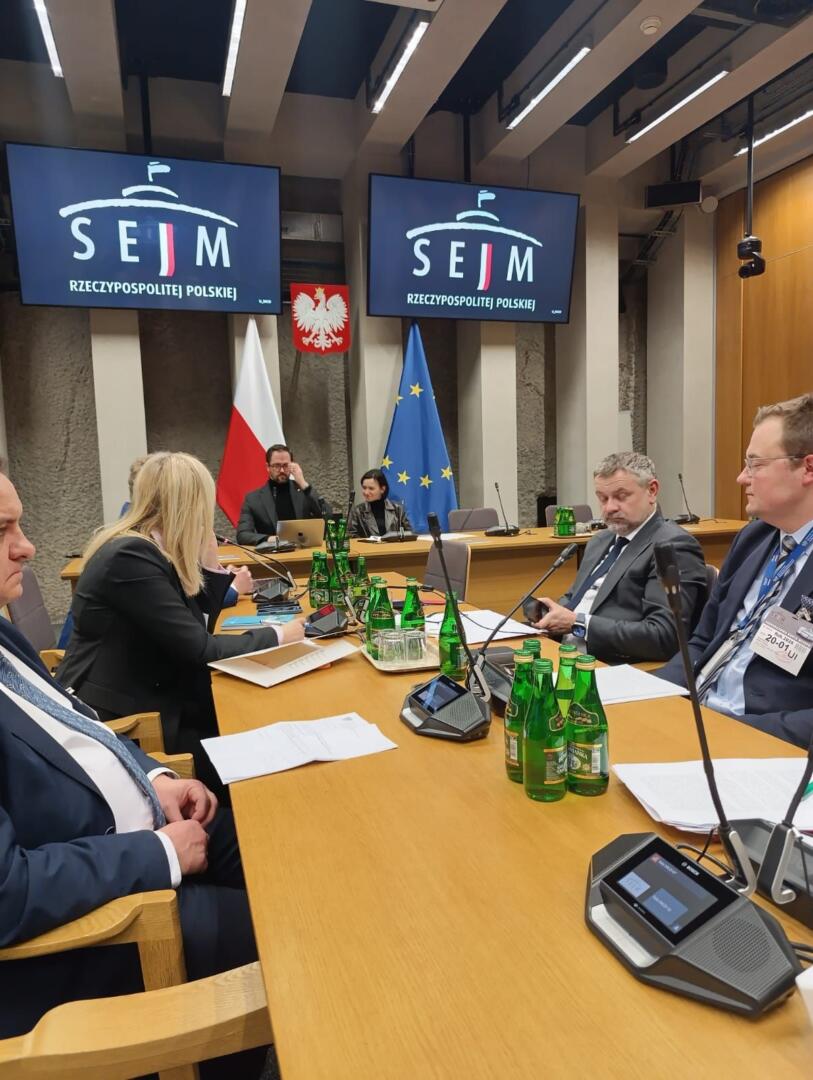
The purpose of the Committee meeting was to discuss the amendment to the Act of 17 December 2020 on the promotion of electricity generation in offshore wind farms, which is currently in force. Of course, our representation in the form of Piotr Czopek, Vice-President of PSEW and WIH, was also present.
The discussion focused on analysing the impact of the regulations on the development of the offshore wind energy sector, the development of installation and service ports, the shipbuilding industry and the participation of domestic entities in the supply chain. On the government side, the Ministry of Infrastructure and the Ministry of Climate and Environment presented their positions, emphasising the importance of the offshore wind sector and the most important regulatory issues allowing for the further development of OWF projects and, at the same time, the development of the industry.
During the further discussion, the Ministry of Climate and Environment referred to the new draft of the Energy Policy and Climate Act and assessed the reduction of targets for offshore wind farms as inconsistent with the provisions of the offshore act under discussion, announcing at the same time that it would submit comments in this regard to the Ministry of Energy, which is responsible for drafting the document. The need to update the Spatial Development Plan for Polish Maritime Areas was also raised . In this regard, the Ministry of Infrastructure announced a revision of the plan with a view to designating new areas for OWF development and informed that during the three years of planning work, the Ministry of Infrastructure would take into account the analysis of the report ‘The Potential of Offshore Wind Energy in Poland’ submitted by the Polish Wind Energy Association (PSEW).
Piotr Czopek emphasised the positive impact of the amendment to the offshore act on the development of the offshore wind energy sector and the success of the first auction in December last year. On behalf of the industry, PSEW also drew attention to the need to maintain a long-term vision for the development of offshore wind in order to provide the industry with a stable market and thus enable it to gain experience, make investment decisions and continue the development of the sector. In the context of the aforementioned need to update the PZPPOM, PSEW emphasised the positive impact of the availability of more areas for OWF development on the competitiveness of subsequent offshore auctions and, as a result, attractive prices for energy generated in the Baltic Sea for end users.
In addition, in recent days, representatives of PSEW and WIH also took part in meetings of the Deregulation Committee and the Standing Subcommittee on Critical Infrastructure, Mining and Energy. They also represented the industry at meetings at the Ministry of Science on wind energy and educational campaigns, at the Ministry of Climate and Environment with industry organisations to discuss the prospects for the development of the renewable energy sector in Poland and the directions for action, as well as with the President of the Energy Regulatory Office, Renata Mroczek.